
Mouse Secondary Antibodies

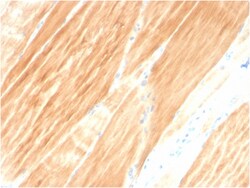
Biotium Sarcomeric Actinin Alpha 2 / ACTN2(ACTN2/3295), CF488A conjugate, 0.1mg/mL
Alpha actinins belong to the spectrin gene superfamily which represents a diverse group of cytoskeletal proteins, including the alpha and beta spectrins and dystrophins. Alpha actinin is an actin-binding protein with multiple roles in different cell types. In non-muscle cells, the cytoskeletal isoform is found along microfilament bundles and adherens-type junctions, where it is involved in binding actin to the membrane. In contrast, skeletal, cardiac, and smooth muscle isoforms are localized to the Z-disc and analogous dense bodies, where they help anchor the myofibrillar actin filaments. This gene encodes a muscle-specific, alpha actinin isoform that is expressed in both skeletal and cardiac muscles. Several transcript variants encoding different isoforms have been found for this gene. Primary antibodies are available purified, or with a selection of fluorescent CF Dyes and other labels. CF Dyes offer exceptional brightness and photostability. Note: Conjugates of blue flu

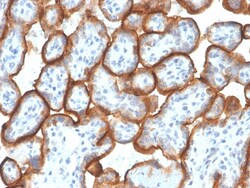
Biotium VISTA / B7-H5 / VSIR (Negative Regulator of Immune Response)(VISTA/3007), CF740 conjugate, 0.1mg/mL
VISTA / GI24 is a transmembrane protein expressed in bone, on embryonic stem cells (ESCs), and on tumor cell surfaces. On ESC s, Gi24 appears to positively interact with BMP-4, potentiating BMP signaling and the transition from an undifferentiated to a differentiated state. On tumor cells, Gi24 both promotes MT1-MMP expression and activity and serves as a substrate for MT1-MMP. This increases the potential for cell motility. Mature human Gi24 contains a 162aa extracellular region with one V-type Ig-like domain and a 96aa cytoplasmic domain. Human Gi24 undergoes proteolytic cleavage by MT1-MMP, generating a soluble 30 kDa extracellular fragment plus a 25-30 kDa membrane-bound fragment. VISTA is a negative checkpoint regulator and is expressed on myeloid cells, T-cells and human TILs (tumor infiltrating lymphocytes) on MDSCs (myeloid-derived suppressor cells) in the TME (tumor microenvironment). It is very likely both a ligand and receptor and is a promising target for cancer i
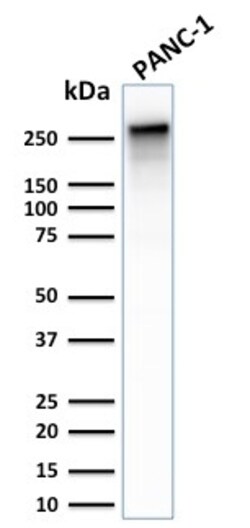
Biotium Spectrin beta III (SPTBN2)(SPTBN2/2887R), CF740 conjugate, 0.1mg/mL
Spectrin is an actin binding protein that is a major component of the plasma membrane skeleton. Spectrins function as membrane organizers and stabilizers by forming dimers, tetramers and higher polymers. Vertebrate spectrins have two alpha-subunits (alpha-I/alpha-II) four beta-subunits (beta-I-beta-IV) and a beta-H subunit creating diversity and specialization of function. Spectrin III is highly expressed in brain, kidney, pancreas and liver, and at lower levels in lung and placenta. Spectrin beta 3 is primarily expressed in nervous tissues with highest expression levels in the cerebellum, where it is found in Purkinje cell soma and dendrites. Primary antibodies are available purified, or with a selection of fluorescent CF Dyes and other labels. CF Dyes offer exceptional brightness and photostability. Note: Conjugates of blue fluorescent dyes like CF405S and CF405M are not recommended for detecting low abundance targets, because blue dyes have lower fluorescence and can
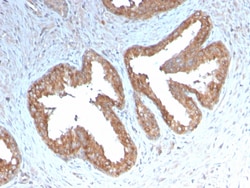
Biotium Cycloxygenase-2 (COX-2)(COX2/3232R), CF740 conjugate, 0.1mg/mL
Prostaglandins are a diverse group of autocrine and paracrine hormones that mediate many cellular and physiologic processes. Prostaglandin H2 (PGH2) is an intermediate molecule in formation of the prostaglandins. Cyclooxygenase-1 (Cox-1) and cyclooxygenase-2 (Cox-2) are prostaglandin synthases that catalyze the formation of PGH2 from arachidonic acid (AA). Cox-1 and Cox-2 are isozymes of prostaglandin-endoperoxidase synthase (PTGS). Cox-1 is constitutively expressed in most tissues and is thought to serve in general housekeeping functions. Cox-2 is efficiently induced in migratory cells responding to pro-inflammatory stimuli and is considered to be an important mediator of inflammation. Both enzymes are targets for the nonsteroidal therapeutic anti-inflammatory drugs, NSAIDs. COX2 expression is significantly increased in 85-90% of human colorectal adenocarcinomas whereas levels of COX-1 are not changed. Primary antibodies are available purified, or with a selection of fluores
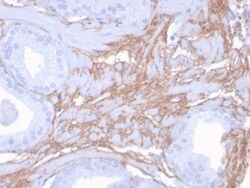
Biotium Decorin(DCN/3523), CF740 conjugate, 0.1mg/mL
Decorin is a small leucine-rich proteoglycan (SLRP) family member that consists of a glycosaminoglycan chain-containing core protein. The core protein contains ten leucine rich repeats that contain sites for glycosylation, flanked by disulfide bond stabilizing loops. Decorin binds to Collagen Type I, II and IV in vivo and promotes the formation of fibers with variations in stability and solubility. The Decorin core protein binds to growth factors, intercellular matrix molecules, such as Fibronectin and Thrombospondin, and to the Decorin endocytosis receptor. Decorin binds to and inhibits TGF and is a direct or indirect negative modulator of TGF synthesis. Inhibition of Decorin core protein gene expression by the combination of IFN- and TNF may contribute to cartilage destruction that is characteristic of inflammatory joint diseases. The human Decorin gene maps to chromosome 12q21. 33 and encodes a 359 amino acid protein. Primary antibodies are available purified, or with a se
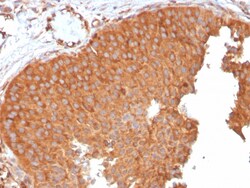
Biotium PAI-RBP1 / SERBP1 / SERPINE1(SERBP1/3496), CF740 conjugate, 0.1mg/mL
PAI-RBP1 (plasminogen activator inhibitor 1 RNA-binding protein), also known as SERBP1 (SERPINE1 mRNA-binding protein 1), CGI-55, CHD3IP (chromodomain helicase DNA binding protein 3 interacting protein), HABP4L or PAI-RBP1, is a membrane-associated protein that localizes to the nucleus, the perinuclear region of the cytoplasm and the plasma membrane. PAI-RBP1 is believed to play a role in the regulation of mRNA stability, as it specifically binds to the CRS (cyclic nucleotide-responsive sequence) motif of the PAI-1 mRNA and acts to stabilize the mRNA and regulate its expression. In addition, PAI-RBP1 interacts with Mi2- and may be involved in chromatin remodeling. PAI-RBP1 also interacts with PGRMC1 and participates in the transduction of Progesterone s antiapoptotic action in ovarian cell types. The gene encoding PAI-RBP1 is overexpressed in ovarian cancer, suggesting a possible role for PAI-RBP1 in tumorigenesis and tumor metastasis. Primary antibodies are available purifie
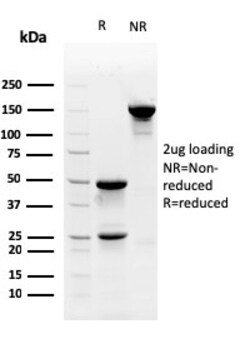
Biotium Myofibroblast Marker(PR 2D3), Biotin conjugate, 0.1mg/mL
Myofibroblasts are a unique group of smooth muscle-like fibroblasts that play an important role in oncogenesis, inflammation, repair, wound contraction and fibrosis. Like smooth muscle (SM) cells, myofibroblasts contain microfilament bundles and express -SM Actin, the Actin isoform that is present in myoepithelial cells and SM cells and especially abundant in vascular SM cells. Myofibroblasts secrete inflammatory and anti-inflammatory cytokines, chemokines, growth factors and lipid and gaseous inflammatory mediators, as well as extracellular matrix proteins and proteases in most organs and tissues. Besides being temporarily present following tissue injuries and fibrocontractive diseases, myofibroblasts are also present under normal conditions in regions such as the skin, pulmonary septa and periodontal ligaments. Stem cell factor and platelet-derived growth factor (PDGF) are two secreted proteins responsible for differentiating myofibroblasts from embryological stem cells. PR
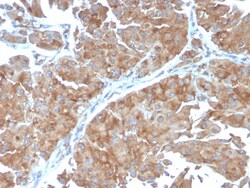
Biotium PAI-RBP1 / SERBP1 / SERPINE1(SERBP1/3498), Biotin conjugate, 0.1mg/mL
PAI-RBP1 (plasminogen activator inhibitor 1 RNA-binding protein), also known as SERBP1 (SERPINE1 mRNA-binding protein 1), CGI-55, CHD3IP (chromodomain helicase DNA binding protein 3 interacting protein), HABP4L or PAI-RBP1, is a membrane-associated protein that localizes to the nucleus, the perinuclear region of the cytoplasm and the plasma membrane. PAI-RBP1 is believed to play a role in the regulation of mRNA stability, as it specifically binds to the CRS (cyclic nucleotide-responsive sequence) motif of the PAI-1 mRNA and acts to stabilize the mRNA and regulate its expression. In addition, PAI-RBP1 interacts with Mi2- and may be involved in chromatin remodeling. PAI-RBP1 also interacts with PGRMC1 and participates in the transduction of Progesterone's antiapoptotic action in ovarian cell types. The gene encoding PAI-RBP1 is overexpressed in ovarian cancer, suggesting a possible role for PAI-RBP1 in tumorigenesis and tumor metastasis. Primary antibodies are available purifie
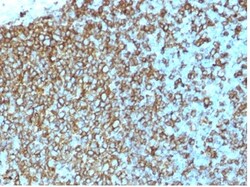
Biotium HLA-Pan (MHC II)(rHLA-Pan/3475), Biotin conjugate, 0.1mg/mL
Reacts with a common epitope of human major histocompatibility (MHC) class II antigens, HLA-DP, -DQ and -DR. Human MHC class II antigens are transmembrane glycoproteins composed of an alpha chain (36 kDa) and a beta chain (27 kDa). They are expressed primarily on antigen presenting cells such as B lymphocytes, monocytes, macrophages, and thymic epithelial cells and are also present on activated T lymphocytes. Human MHC class II genes are located in the HLA-D region that encodes at least six alpha and ten beta chain genes. Three loci, DR, DQ and DP, encode the major expressed products of the human class II region. The human MHC class II molecules bind intracellularly processed peptides and present them to T-helper cells. They, therefore, have a critical role in the initiation of the immune response. Primary antibodies are available purified, or with a selection of fluorescent CF Dyes and other labels. CF Dyes offer exceptional brightness and photostability. Note: Conjugates
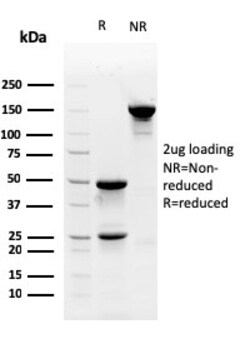
Biotium Myofibroblast Marker(PR 2D3), CF740 conjugate, 0.1mg/mL
Myofibroblasts are a unique group of smooth muscle-like fibroblasts that play an important role in oncogenesis, inflammation, repair, wound contraction and fibrosis. Like smooth muscle (SM) cells, myofibroblasts contain microfilament bundles and express -SM Actin, the Actin isoform that is present in myoepithelial cells and SM cells and especially abundant in vascular SM cells. Myofibroblasts secrete inflammatory and anti-inflammatory cytokines, chemokines, growth factors and lipid and gaseous inflammatory mediators, as well as extracellular matrix proteins and proteases in most organs and tissues. Besides being temporarily present following tissue injuries and fibrocontractive diseases, myofibroblasts are also present under normal conditions in regions such as the skin, pulmonary septa and periodontal ligaments. Stem cell factor and platelet-derived growth factor (PDGF) are two secreted proteins responsible for differentiating myofibroblasts from embryological stem cells. PR
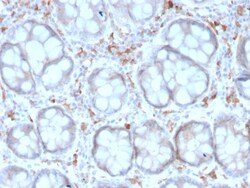
Biotium CD209 / DC-SIGN (Pathogen Receptor on Dendritic Cells)(rC209/1781), CF568 conjugate, 0.1mg/mL
DC-SIGN is a transmembrane receptor that is expressed on the surface of dendritic cells and macrophages. It is involved in the innate immune system and recognizes numerous evolutionarily divergent pathogens ranging from parasites to viruses. The protein is organized into three distinct domains: an N-terminal transmembrane domain, a tandem-repeat neck domain and C-type lectin carbohydrate recognition domain. The extracellular region consisting of the C-type lectin and neck domains has a dual function as a pathogen recognition receptor and a cell adhesion receptor by binding carbohydrate ligands on the surface of microbes and endogenous cells. The neck region is important for homo-oligomerization, which allows the receptor to bind multivalent ligands with high avidity. Primary antibodies are available purified, or with a selection of fluorescent CF Dyes and other labels. CF Dyes offer exceptional brightness and photostability. Note: Conjugates of blue fluorescent dyes like C
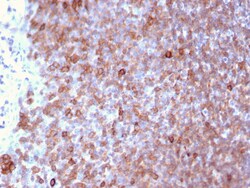
Biotium Lymphocyte Specific Protein 1 (LSP1) / pp52(LSP1/3025), CF740 conjugate, 0.1mg/mL
LSP1 is a hematopoietic-expressed gene that encodes an F-actin-binding, leukocyte-specific (including B and T lymphocytes, granulocytes and macrophages), phosphoprotein. However, mRNA splice variants that do not encode the lympho-specific protein are expressed from this gene in nonlymphoid cell lines as well (myocytes, stromal cells and fibroblasts), suggesting pp52 has a divergent role in signal transduction. The pp52 (LSP1) locus maps to human chromosome 11p15. 5, which is implicated in tumor-related chromosomal translocations found in chronic lymphocytic leukemia. The pp52 promoter contains key elements that control transcriptional activity including an initiator specifying the unique 5' terminus of pp52 mRNA, tandem pairs of Ets and SP1 motifs, and a single C/EBP motif. LSP1 binds the cytoskeleton and has been implicated in affecting cytoskeletal remodeling in a variety of leukocyte functions, including cell motility and chemotaxis. Primary antibodies are available purifi
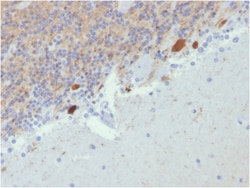
Biotium Calretinin / Calbindin 2 (Mesothelioma Marker)(CALB2/2807), Biotin conjugate, 0.1mg/mL
Calretinin (also known as Calbindin 2) is a member of the troponin C superfamily. Proteins in this family have 6 EF-hand domains which bind to calcium. Calretinin is a vitamin D-dependent calcium-binding protein involved in calcium signaling. It is present in subsets of neurons throughout the brain and spinal chord, including sensory ganglia. Antibodies to calretinin are useful in differentiating mesothelioma from adenocarcinomas of the lung. They can also aid in differentiating adrenal cortical neoplasms from pheochromocytomas. Primary antibodies are available purified, or with a selection of fluorescent CF Dyes and other labels. CF Dyes offer exceptional brightness and photostability. Note: Conjugates of blue fluorescent dyes like CF405S and CF405M are not recommended for detecting low abundance targets, because blue dyes have lower fluorescence and can give higher non-specific background than other dye colors.
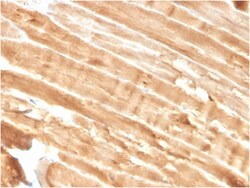
Biotium Dystrophin (DMD) (Marker of Duchenne and Becker Muscular Dystrophy)(DMD/3244), CF488A conjugate, 0.1mg/mL
Dystrophin-glycoprotein complex (DGC) connects the F-Actin cytoskeleton on the inner surface of muscle fibers to the surrounding extracellular matrix, through the cell membrane interface. A deficiency in this protein contributes to Duchenne (DMD) and Becker (BMD) muscular dystrophies. The human dystrophin gene measures 2. 4 megabases, has more than 80 exons, produces a 14 kb mRNA and contains at least 8 independent tissue-specific promoters and 2 poly A sites. The dystrophin mRNA can undergo differential splicing and produce a range of transcripts that encode a large set of proteins. Dystrophin represents approximately 0. 002% of total striated muscle protein and localizes to triadic junctions in skeletal muscle, where it is thought to influence calcium ion homeostasis and force transmission. Primary antibodies are available purified, or with a selection of fluorescent CF Dyes and other labels. CF Dyes offer exceptional brightness and photostability. Note: Conjugates of bl
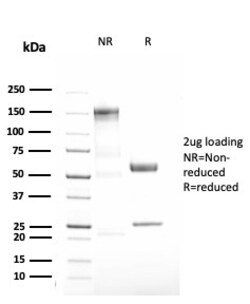
Biotium Alpha-1-Antitrypsin (SERPINA1) (Hepatocellular & Histiocytic Marker)(AAT/3167R), CF488A conjugate, 0.1mg/mL
This antibody recognizes a protein of 54 kDa, which is identified as Alpha-1 antitrypsin (AAT). AAT is secreted and is a serine protease inhibitor whose targets include elastase, plasmin, thrombin, trypsin, chymotrypsin, and plasminogen activator. Defects in this gene can cause emphysema or liver disease. Primary antibodies are available purified, or with a selection of fluorescent CF Dyes and other labels. CF Dyes offer exceptional brightness and photostability. Note: Conjugates of blue fluorescent dyes like CF405S and CF405M are not recommended for detecting low abundance targets, because blue dyes have lower fluorescence and can give higher non-specific background than other dye colors.