
Lectins


American Research Products Inc Biotinylated AntiHer2
Biotinylated Anti-Her2 (Calotatug biosimilar) mAb is a biosimilar antibody with human reactivity produced in whole mab Available in 100 g size with 7 - 14 business days lead time Ships via gel pack Store at -20 C to -80 C for 12 months in lyophilized form After reconstitution if not intended for use within a month aliquot and store at -80 C (Avoid repeated freezing and thawing) Lyophilized antibodies are shipped at ambient temperature

American Research Products Inc Biotinylated AntiSIRPa
Biotinylated Anti-SIRP (Epacmarstobart biosimilar) mAb is a biosimilar antibody with human reactivity produced in whole mab Available in 100 g size with 7 - 14 business days lead time Ships via gel pack Store at -20 C to -80 C for 12 months in lyophilized form After reconstitution if not intended for use within a month aliquot and store at -80 C (Avoid repeated freezing and thawing) Lyophilized antibodies are shipped at ambient temperature
American Research Products Inc Biotinylated AntiCD47
Biotinylated Anti-CD47 (Magrolimab biosimilar IgG1) mAb is a biosimilar antibody with human reactivity produced in homo sapiens Available in 100 g size with 7 - 14 business days lead time Ships via gel pack Store at -20 C to -80 C for 12 months in lyophilized form After reconstitution if not intended for use within a month aliquot and store at -80 C (Avoid repeated freezing and thawing) Lyophilized antibodies are shipped at ambient temperature
American Research Products Inc Biotinylated AntiMUC5AC
Biotinylated Anti-MUC5AC (Ensituximab biosimilar) mAb is a biosimilar antibody with human reactivity produced in whole mab Available in 100 g size with 7 - 14 business days lead time Ships via gel pack Store at -20 C to -80 C for 12 months in lyophilized form After reconstitution if not intended for use within a month aliquot and store at -80 C (Avoid repeated freezing and thawing) Lyophilized antibodies are shipped at ambient temperature
American Research Products Inc Biotinylated AntiCLDN18
Biotinylated Anti-CLDN18 (Osemitamab biosimilar) mAb is a biosimilar antibody with human reactivity produced in whole mab Available in 100 g size with 7 - 14 business days lead time Ships via gel pack Store at -20 C to -80 C for 12 months in lyophilized form After reconstitution if not intended for use within a month aliquot and store at -80 C (Avoid repeated freezing and thawing) Lyophilized antibodies are shipped at ambient temperature
American Research Products Inc Biotinylated AntiGCGR
Biotinylated Anti-GCGR (Volagidemab biosimilar) mAb is a biosimilar antibody with human reactivity produced in homo sapiens Available in 100 g size with 7 - 14 business days lead time Ships via gel pack Store at -20 C to -80 C for 12 months in lyophilized form After reconstitution if not intended for use within a month aliquot and store at -80 C (Avoid repeated freezing and thawing) Lyophilized antibodies are shipped at ambient temperature
American Research Products Inc Biotinylated AntiAPP
Biotinylated Anti-APP (Usilnetug biosimilar) mAb is a biosimilar antibody with human reactivity produced in whole mab Available in 100 g size with 7 - 14 business days lead time Ships via gel pack Store at -20 C to -80 C for 12 months in lyophilized form After reconstitution if not intended for use within a month aliquot and store at -80 C (Avoid repeated freezing and thawing) Lyophilized antibodies are shipped at ambient temperature
American Research Products Inc Biotinylated AntiIL22RA1
Biotinylated Anti-IL22RA1 (Temtokibart biosimilar) mAb is a biosimilar antibody with human reactivity produced in whole mab Available in 100 g size with 7 - 14 business days lead time Ships via gel pack Store at -20 C to -80 C for 12 months in lyophilized form After reconstitution if not intended for use within a month aliquot and store at -80 C (Avoid repeated freezing and thawing) Lyophilized antibodies are shipped at ambient temperature
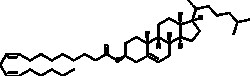
Cayman Chemical Cholesteryl LInoleate 100mg
A pro-atherogenic cholesterol ester; has been found in the plasma membrane of macrophages as a component of LDL; levels are increased in apoB-lipoproteins and positively correlated with hepatic cholesterol levels and the number of atherosclerotic lesions in transgenic mice overexpressing human ABCA1; lipoprotein levels are increased and associated with lipid radical formation in patients with β-thalassemia

American Research Products Inc Biotinylated AntiTIM3
Biotinylated Anti-TIM3 (Verzistobart biosimilar) mAb is a biosimilar antibody with human reactivity produced in whole mab Available in 100 g size with 7 - 14 business days lead time Ships via gel pack Store at -20 C to -80 C for 12 months in lyophilized form After reconstitution if not intended for use within a month aliquot and store at -80 C (Avoid repeated freezing and thawing) Lyophilized antibodies are shipped at ambient temperature
American Research Products Inc Biotinylated AntiTRBV9
Biotinylated Anti-TRBV9 (Seniprutug biosimilar) mAb is a biosimilar antibody with human reactivity produced in whole mab Available in 100 g size with 7 - 14 business days lead time Ships via gel pack Store at -20 C to -80 C for 12 months in lyophilized form After reconstitution if not intended for use within a month aliquot and store at -80 C (Avoid repeated freezing and thawing) Lyophilized antibodies are shipped at ambient temperature
American Research Products Inc Biotinylated AntiNPR1
Biotinylated Anti-NPR1 (Vixticibart biosimilar) mAb is a biosimilar antibody with human reactivity produced in whole mab Available in 100 g size with 7 - 14 business days lead time Ships via gel pack Store at -20 C to -80 C for 12 months in lyophilized form After reconstitution if not intended for use within a month aliquot and store at -80 C (Avoid repeated freezing and thawing) Lyophilized antibodies are shipped at ambient temperature
Cayman Chemical Cholesteryl Eicosapentaenoate
A cholesterol ester; induces cytotoxicity in human monocyte-macrophages at 88-880 μM; levels are elevated 1.89-fold in the serum of pediatric patients with extrahepatic biliary atresia and decreased in the serum and plasma of patients with Alzheimer’s disease and abetalipoproteinemia, respectively, compared with healthy individuals
American Research Products Inc Biotinylated AntiC5
Biotinylated Anti-C5 (Crovalimab biosimilar) mAb is a biosimilar antibody with human reactivity produced in whole mab Available in 100 g size with 7 - 14 business days lead time Ships via gel pack Store at -20 C to -80 C for 12 months in lyophilized form After reconstitution if not intended for use within a month aliquot and store at -80 C (Avoid repeated freezing and thawing) Lyophilized antibodies are shipped at ambient temperature
American Research Products Inc Biotinylated AntiIL7RA
Biotinylated Anti-IL7RA (Lusvertikimab biosimilar) mAb is a biosimilar antibody with human reactivity produced in humanized Available in 100 g size with 7 - 14 business days lead time Ships via gel pack Store at -20 C to -80 C for 12 months in lyophilized form After reconstitution if not intended for use within a month aliquot and store at -80 C (Avoid repeated freezing and thawing) Lyophilized antibodies are shipped at ambient temperature