Learn More

Invitrogen™ Human NF-L ProQuantum Immunoassay Kit

Description
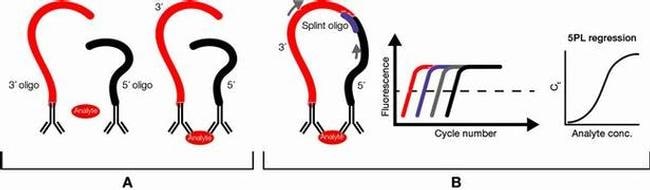
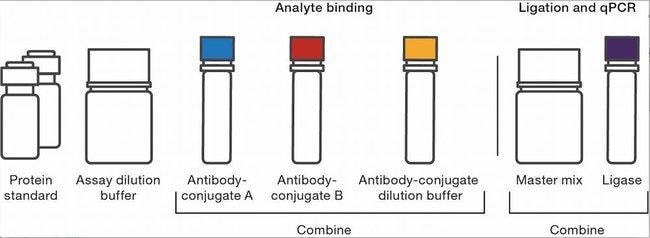
The ProQuantum NFL Immunoassay Kit is designed to provide quantitative measurements of human neurofilament light in small sample volumes. Utilizing proximity-based amplification technology, the assay combines the analyte specificity of high-affinity antibody-antigen binding with the signal detection and amplification capabilities of real-time PCR to achieve a simple yet powerful next-generation protein quantitation platform. A user-friendly workflow combined with intuitive Cloud-based software for analytics enables sample-to-answer in just 2 hours. High sensitivity detect low levels of protein with greater sensitivity than traditional methods Broad dynamic range: 5 logarithmic units, minimizing sample dilutions to ensure they fall within the range Small sample consumption-use 2-5 μL of sample (compared to 75 μL for triplicate wells with other methods) Fast, easy workflow-2 hours from sample to answer, with no wash steps No proprietary instrument to purchase: runs on any real-time PCR instrument ProQuantum immunoassays utilize a matched pair of target-specific antibodies, each conjugated to a DNA oligonucleotide. During antibody-analyte binding, the two DNA oligos are brought into close proximity, which allows for ligation of the two strands and subsequent creation of a template strand for amplification. This platform leverages the sensitivity and large dynamic range of Applied Biosystems TaqMan real-time PCR technology (Figure...

Specifications
Specifications
| Accession Number | P07196, P08551, P19527 |
| Assay Range | 0.48-7500 pg/mL |
| Assay Sensitivity | 0.156 pg/mL |
| Conjugate | FAM |
| Immunoassay Kit Format | Proximity-based Immunoassay |
| Product Type | ProQuantum |
| Sample Type | Cerebrospinal Fluid, Plasma, Serum, Supernatant |
| Target Species | Human, Mouse, Rat |
| For Use With (Equipment) | qPCR Instruments |
| Gene Alias | 68 kDa neurofilament protein; AI847934; CMT1F; CMT2E; FLJ53642; light molecular weight neurofilament protein; micro glutamic acid-rich protein; NEF3; NEFL; nefl.L; neurofilament; neurofilament 3; neurofilament L subunit; neurofilament light; neurofilament light polypeptide; neurofilament protein; neurofilament protein L; neurofilament protein, light chain; neurofilament subunit NF-L; neurofilament triplet L protein; neurofilament, light L homeolog; neurofilament, light polypeptide; neurofilament, light polypeptide 68kDa; neurofilament, light polypeptide L homeolog; neurofilament-l; neurofilament-light; Nf68; NFL; N-FL; NF-L; NFM; NF-M; NLC; OTTHUMP00000196614; PPP1R110; protein phosphatase 1, regulatory subunit 110; XELAEV_18018673mg; XNF-L68 kDa neurofilament protein; AI847934; CMT1F; CMT2E; FLJ53642; light molecular weight neurofilament protein; micro glutamic acid-rich protein; NEF3; NEFL; nefl.L; neurofilament; neurofilament 3; neurofilament L subunit; neurofilament light; neurofilament light polypeptide; neurofilament protein; neurofilament protein L; neurofilament protein, light chain; neurofilament subunit NF-L; neurofilament triplet L protein; neurofilament, light L homeolog; neurofilament, light polypeptide; neurofilament, light polypeptide 68kDa; neurofilament, light polypeptide L homeolog; neurofilament-l; neurofilament-light; Nf68; NFL; N-FL; NF-L; NFM; NF-M; NLC; OTTHUMP00000196614; PPP1R110; protein phosphatase 1, regulatory subunit 110; XELAEV_18018673mg; XNF-L; |
| Show More |
By clicking Submit, you acknowledge that you may be contacted by Fisher Scientific in regards to the feedback you have provided in this form. We will not share your information for any other purposes. All contact information provided shall also be maintained in accordance with our Privacy Policy.