
Primary Antibody Matched Pairs

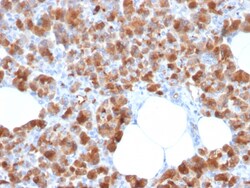
Biotium Carboxypeptidase A1 / CPA1 (Pancreatic Cancer Marker)(CPA1/2713), CF405S conjugate, 0.1mg/mL
Carboxypeptidase A1 (CPA1) is a secreted zinc metalloprotease that is highly expressed in pancreatic tissue. It catalyzes the release of C-terminal amino acids from a variety of proteins, thereby playing a key role in protein digestion and degradation. Human pancreatic procarboxypeptidase A exists as three different active forms, two of which are carboxypeptidase A1 (CPA1) and carboxypeptidase A2 (CPA2). Abnormal levels of CPA1 are associated with pancreatic cancer, suggesting a possible role in either tumor progression or tumor suppression events. Primary antibodies are available purified, or with a selection of fluorescent CF Dyes and other labels. CF Dyes offer exceptional brightness and photostability. Note: Conjugates of blue fluorescent dyes like CF405S and CF405M are not recommended for detecting low abundance targets, because blue dyes have lower fluorescence and can give higher non-specific background than other dye colors.

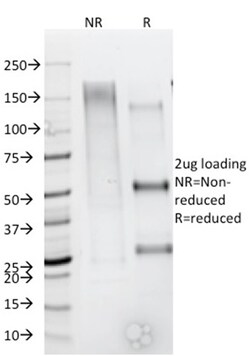
Biotium CD79b (B-Cell Marker) (IGB/1844), CF488A conjugate, 0.1mg/mL
CD79 (also designated Ig α/Igβ) is a heterodimer composed of α chains, designated CD79A or MB-1, andβ chains, designated CD79B or B29. The B cell antigen receptor complex (BCR) is formed by the association of CD79 with a membrane immunoglobulin, such as IgM or IgD. The membrane immunoglobulins IgM and IgD achieve surface expression and antigen presentation function in response to CD79 association. The cytoplasmic tails of both CD79A and CD79B contain an ITAM (immuno-receptor tyrosine-based activation) motif, which acts to initiate the BCR signaling reactions by binding to and activating tyrosine kinases.Primary antibodies are available purified, or with a selection of fluorescent CF Dyes and other labels. CF Dyes offer exceptional brightness and photostability. Note: Conjugates of blue fluorescent dyes like CF405S and CF405M are not recommended for detecting low abundance targets, because blue dyes have lower fluorescence and can give higher non-spe
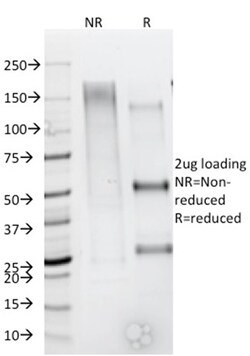
Biotium CD79b (B-Cell Marker) (IGB/1844), 0.2mg/mL
CD79 (also designated Ig α/Igβ) is a heterodimer composed of α chains, designated CD79A or MB-1, andβ chains, designated CD79B or B29. The B cell antigen receptor complex (BCR) is formed by the association of CD79 with a membrane immunoglobulin, such as IgM or IgD. The membrane immunoglobulins IgM and IgD achieve surface expression and antigen presentation function in response to CD79 association. The cytoplasmic tails of both CD79A and CD79B contain an ITAM (immuno-receptor tyrosine-based activation) motif, which acts to initiate the BCR signaling reactions by binding to and activating tyrosine kinases.Primary antibodies are available purified, or with a selection of fluorescent CF Dyes and other labels. CF Dyes offer exceptional brightness and photostability. Note: Conjugates of blue fluorescent dyes like CF405S and CF405M are not recommended for detecting low abundance targets, because blue dyes have lower fluorescence and can give higher non-spe
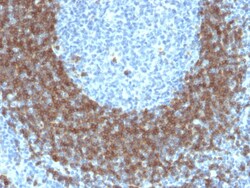
Biotium CD79b (B-Cell Marker)(IGB/1842), CF647 conjugate, 0.1mg/mL
CD79 (also designated Ig chains, designated CD79B or B29. The B cell antigen receptor complex (BCR) is formed by the association of CD79 with a membrane immunoglobulin, such as IgM or IgD. The membrane immunoglobulins IgM and IgD achieve surface expression and antigen presentation function in response to CD79 association. The cytoplasmic tails of both CD79A and CD79B contain an ITAM (immuno-receptor tyrosine-based activation) motif, which acts to initiate the BCR signaling reactions by binding to and activating tyrosine kinases. Primary antibodies are available purified, or with a selection of fluorescent CF Dyes and other labels. CF Dyes offer exceptional brightness and photostability. Note: Conjugates of blue fluorescent dyes like CF405S and CF405M are not recommended for detecting low abundance targets, because blue dyes have lower fluorescence and can give higher non-specific background than other dye colors.

Biotium S100A9(47-8D3), CF594 conjugate, 0.1mg/mL
This MAb stains the cytoplasm of macrophages and histiocytes in hematopoietic organs, Kupffer's cells of the liver and Langerhan's cells of the skin. It also stains the mantle zone B-lymphocytes of the lymph node and spleen, spermatogonia, and chief cells of the stomach. S100A9 is expressed by macrophages in acutely inflamed tissues and in chronic inflammation. It is detected in peripheral blood leukocytes, in neutrophils and granulocytes. It is present at sites of vascular inflammation. S100A9 is also expressed in epithelial cells constitutively or induced during dermatoses. S100A9 is a Calcium-binding protein. It has antimicrobial activity towards bacteria and fungi. It is important for resistance to invasion by pathogenic bacteria. It up-regulates transcription of genes that are under the control of NF-kappa-B. S100A9 plays a role in the development of endotoxic shock in response to bacterial lipopolysaccharide (LPS). It promotes tubulin polymerization when unphosphorylate
American Research Products Inc PrEST Antigen ITPK1
PrEST Antigen ITPK1 antigen APrEST85323 for inositol-tetrakisphosphate 1-kinase Recombinant protein fragment of Human ITPK1

American Research Products Inc PrEST Antigen OCLN
PrEST Antigen OCLN antigen APrEST83049 for occludin Recombinant protein fragment of Human OCLN
Genscript Corporation CD27 Ligand/CD70 Trimer His
CD70 also named CD27 ligand (CD27L) is a type II transmembrane glycoprotein belonging to the TNF superfamily (TNFSF) and has been designated TNFSF7 CD70 is a cytokine that binds to CD27 Plays a role in T-cell activation Induces the proliferation of costimulated T-cells and enhances the generation of cytolytic T-cells

Medchemexpress LLC Glutaminyl-peptide cyclotransferase, human recombinant (His-tag) | 37257-21-9 | >95.0% | 10 UG

Recombinant human glutaminyl-peptide cyclotransferase (QPCT) expressed in Sf9 insect cells, supplied as an N-terminal His-tagged, lyophilized protein (10 μg). The enzyme catalyzes formation of N-terminal pyroglutamate residues in peptides and is used in studies of peptide processing and amyloid-beta modifications.
- Recombinant human enzyme expressed in Sf9 insect cells.
- N-terminal His tag facilitates purification and detection.
- Purity greater than 95% by reducing SDS-PAGE.
- Molecular weight approximately 38 kDa.
- Lyophilized from 20 mM Tris, 500 mM NaCl, pH 7.4, with glycerol and stabilizers.
- Store frozen and use aliquots to avoid freeze-thaw cycles.
- Do not reconstitute below 100 μg/mL in water when preparing stock solutions.
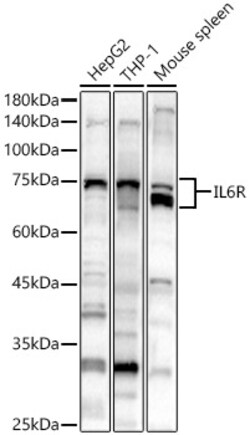
ABclonal Technology IL6R Rabbit pAb
This gene encodes a subunit of the interleukin 6 (IL6) receptor complex. Interleukin 6 is a potent pleiotropic cytokine that regulates cell growth and differentiation and plays an important role in the immune response. The IL6 receptor is a protein complex consisting of this protein and interleukin 6 signal transducer (IL6ST/GP130/IL6-beta), a receptor subunit also shared by many other cytokines. Dysregulated production of IL6 and this receptor are implicated in the pathogenesis of many diseases, such as multiple myeloma, autoimmune diseases and prostate cancer. Alternatively spliced transcript variants encoding distinct isoforms have been identified in this gene. A pseudogene of this gene is found on chromosome 9.
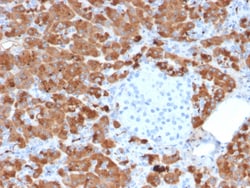
Biotium Carboxypeptidase A1 / CPA1 (Pancreatic Cancer Marker)(CPA1/2712), CF405S conjugate, 0.1mg/mL
Carboxypeptidase A1 (CPA1) is a secreted zinc metalloprotease that is highly expressed in pancreatic tissue. It catalyzes the release of C-terminal amino acids from a variety of proteins, thereby playing a key role in protein digestion and degradation. Human pancreatic procarboxypeptidase A exists as three different active forms, two of which are carboxypeptidase A1 (CPA1) and carboxypeptidase A2 (CPA2). Abnormal levels of CPA1 are associated with pancreatic cancer, suggesting a possible role in either tumor progression or tumor suppression events. Primary antibodies are available purified, or with a selection of fluorescent CF Dyes and other labels. CF Dyes offer exceptional brightness and photostability. Note: Conjugates of blue fluorescent dyes like CF405S and CF405M are not recommended for detecting low abundance targets, because blue dyes have lower fluorescence and can give higher non-specific background than other dye colors.

Human SOD1 ELISA Pair Set 15PP (Sino Biological)
Each vial contains 180 ng of recombinant SOD1. Reconstitute with 1 mL dilution buffer. After reconstitution, store at -20℃ to -80℃ in a manual defrost freezer. A seven-point standard curve using 2-fold serial dilutions in dilution buffer, and a high standard of 4 ng/mL is recommended.

Medchemexpress LLC LOX-1/OLR1 Human H 1mg
Recombinant human LOX-1 (OLR1) protein supplied as a lyophilized, C-terminal His-tagged fragment produced in mammalian cells. This reagent is intended for biochemical assays, ligand-binding studies, antibody validation, and other research applications requiring purified LOX-1 with native-like post-translational modifications.
- Expressed in HEK293 cells for mammalian post-translational modifications.
- C-terminal His tag for facile purification and detection.
- Lyophilized formulation for long-term storage and convenient reconstitution.
- High purity (>95%) as determined by reducing SDS-PAGE.
- Recommended minimum reconstitution concentration: 100 μg/mL.
- Suitable for binding assays, antibody development, and biochemical characterization.
- Contains the receptor fragment corresponding to S61-Q273 of the human sequence.
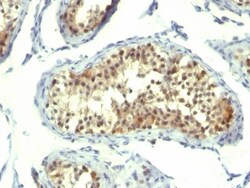
Biotium Thymidylate Synthase(TMS715), CF740 conjugate, 0.1mg/mL
This antibody recognizes a protein of 36 kDa, identified as Thymidylate Synthase (TS) (EC 2.1.1.45). TS converts deoxyuridine monophosphate (dUMP) to deoxythymidine monophosphate (dTMP), which is essential for DNA biosynthesis. TS is also a critical target for the fluoropyrimidines, an important group of antineoplastic drugs that are widely used in the treatment of solid tumors. Both 5-FU and fluorodeoxyuridine are converted in tumor cells to FdUMP which inactivates TS by formation of a ternary covalent complex in the presence of the folate cofactor 5,10-methylenetetrahydrofolate. Expression of TS protein is associated with response to 5-fluorouracil (5-FU) in human colorectal, gastric, head and neck, and breast carcinomas.Primary antibodies are available purified, or with a selection of fluorescent CF Dyes and other labels. CF Dyes offer exceptional brightness and photostability. Note: Conjugates of blue fluorescent dyes like CF405S and CF405M are not recommended for de
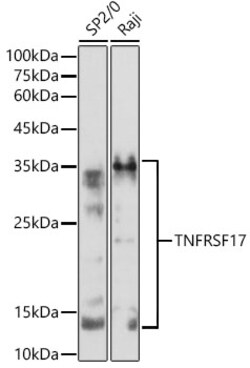
ABclonal Technology TNFRSF17 Rabbit pAb
The protein encoded by this gene is a member of the TNF-receptor superfamily. This receptor is preferentially expressed in mature B lymphocytes, and may be important for B cell development and autoimmune response. This receptor has been shown to specifically bind to the tumor necrosis factor (ligand) superfamily, member 13b (TNFSF13B/TALL-1/BAFF), and to lead to NF-kappaB and MAPK8/JNK activation. This receptor also binds to various TRAF family members, and thus may transduce signals for cell survival and proliferation.