Learn More
Description
Includes
Rabbit affinity purified polyclonal anti-AKT1 (100μg); Mouse monoclonal anti-AKT1, IgG2aκ (20μg); Sufficient for at least 3-5 x 96 well plates using recommended protocols.
The serine-threonine protein kinase encoded by the AKT1 gene is catalytically inactive in serum-starved primary and immortalized fibroblasts. AKT1 and the related AKT2 are activated by platelet-derived growth factor. The activation is rapid and specific, and it is abrogated by mutations in the pleckstrin homology domain of AKT1. It was shown that the activation occurs through phosphatidylinositol 3-kinase. In the developing nervous system AKT is a critical mediator of growth factor-induced neuronal survival. Survival factors can suppress apoptosis in a transcription-independent manner by activating the serine/threonine kinase AKT1, which then phosphorylates and inactivates components of the apoptotic machinery. Multiple alternatively spliced transcript variants have been found for this gene.
Host Species: Rabbit; Mouse
Species Reactivity: Human
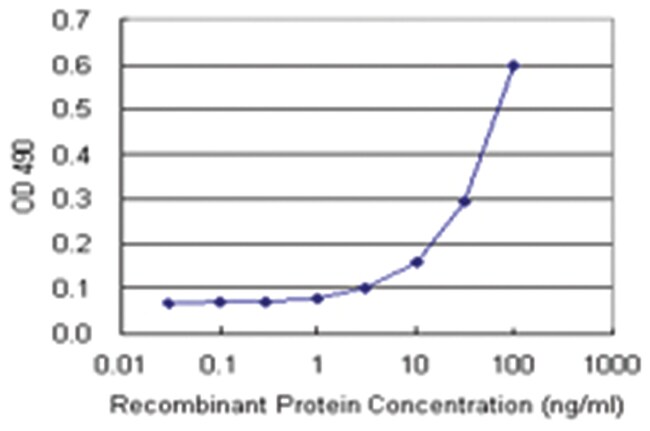
ELISA
Specifications
Specifications
| Antigen | AKT1 |
| Applications | ELISA |
| Classification | Monoclonal/Polyclonal |
| Conjugate | Unconjugated |
| Description | This antibody pair set comes with matched antibody pair to detect and quantify protein level of human AKT1. |
| Gene | AKT1 |
| Gene Alias | AKT/MGC99656/PKB/PKB-ALPHA/PRKBA/RAC/RAC-ALPHA |
| Gene Symbols | AKT1 |
| Host Species | Mouse, Rabbit |
| Purification Method | Affinity Purified |
| Show More |
By clicking Submit, you acknowledge that you may be contacted by Fisher Scientific in regards to the feedback you have provided in this form. We will not share your information for any other purposes. All contact information provided shall also be maintained in accordance with our Privacy Policy.