Learn More
Description
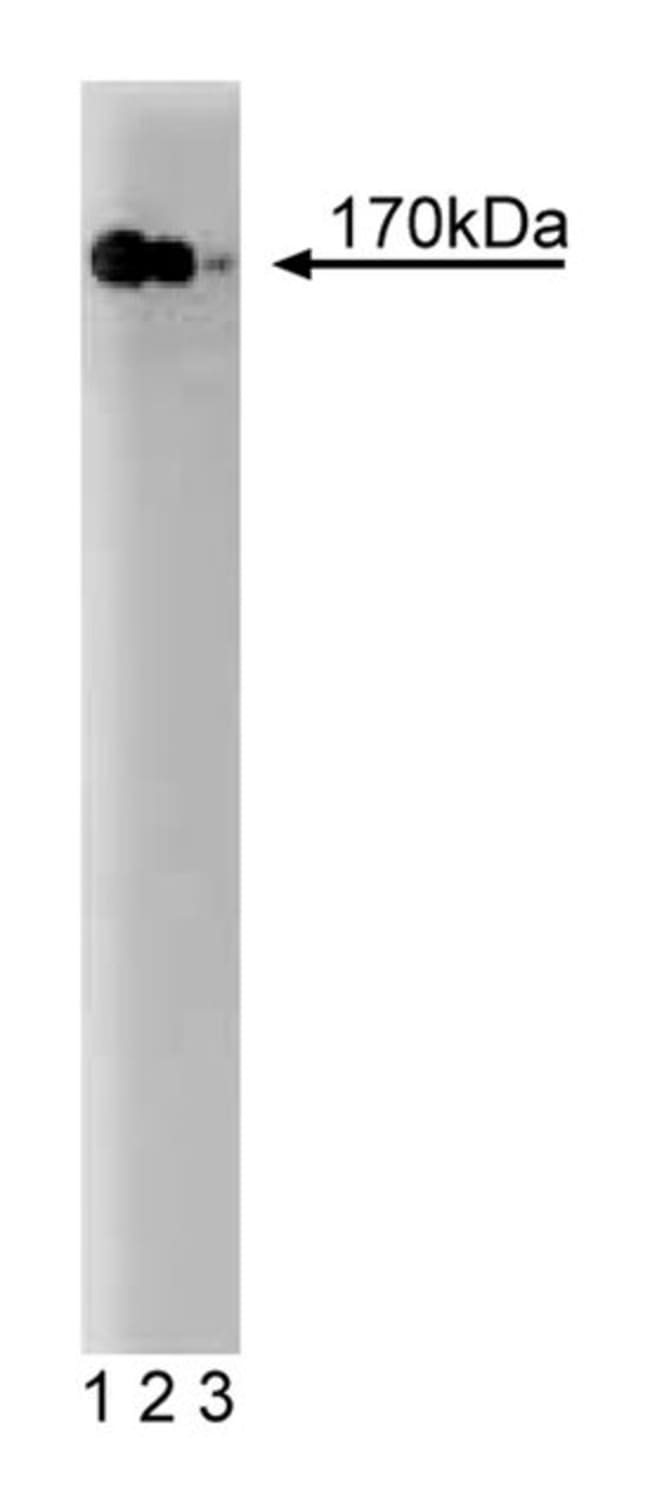
PI3-kinase phosphorylates the D-3 position of the inositol ring of phosphatidylinositol (PtdIns), producing PtdIns(3)P, PtdIns(3,4)P2, and PtdIns(3,4,5)P3. PI3-Kinase is a heterodimer of an 85kDa regulatory subunit (p85) and a 110kDa catalytic subunit (p110). However, this heterodimer is only one member of a larger family of proteins with similarity to the p110 subunit. These different PI3-kinase isoforms have been divided into three classes. Class I consists of p110α and p110β which bind the p85 subunit and associate with receptor tyrosine kinases. Class II contains 68D, cpk, and p170. These proteins all contain a C-terminal C2 domain and phosphorylate PtdIns and PtdIns(4)P, but not
PtdIns(4,5)P2. Class III members only phosphorylate PtdIns to PtdIns(3)P and include the S. cerevisiae Vps34p and its human homologs. The first human Class II PI3-kinase to be described, p170, contains the characteristic C-terminal phosphoinositide-binding C2 domain also found in PKC isoforms and synaptotagmins. In addition, expression of PI3-kinase p170 is widespread and may indicate that the protein performs a housekeeping function in cell growth and differentiation.
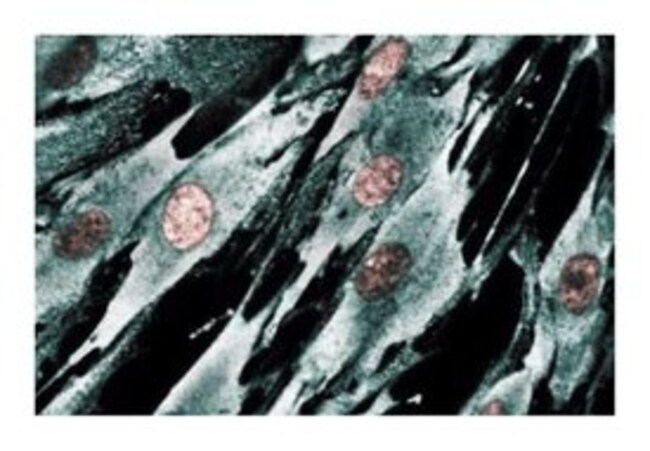
Immunofluorescence, Western Blotting

Specifications
Specifications
| Antigen | PI3-Kinase p170 |
| Applications | Western Blot |
| Classification | Monoclonal |
| Clone | 17 |
| Concentration | 250μg/mL |
| Conjugate | Unconjugated |
| Formulation | Aqueous buffered solution containing BSA, glycerol, and ≤0.09% sodium azide. |
| Host Species | Mouse |
| Immunogen | Mouse PI3-Kinase p170 |
| Purification Method | Affinity Purified |
| Show More |
By clicking Submit, you acknowledge that you may be contacted by Fisher Scientific in regards to the feedback you have provided in this form. We will not share your information for any other purposes. All contact information provided shall also be maintained in accordance with our Privacy Policy.