Promotional price valid on web orders only. Your contract pricing may differ. Interested in signing up for a dedicated account number?
Learn More
Learn More
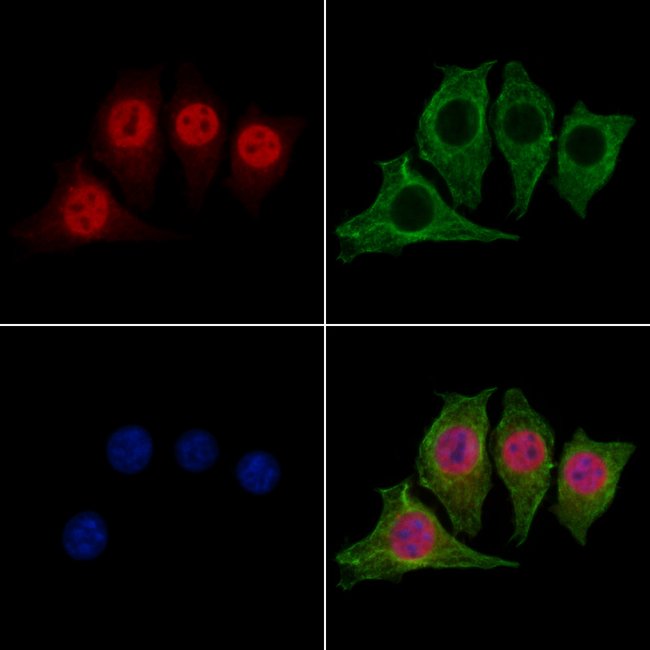
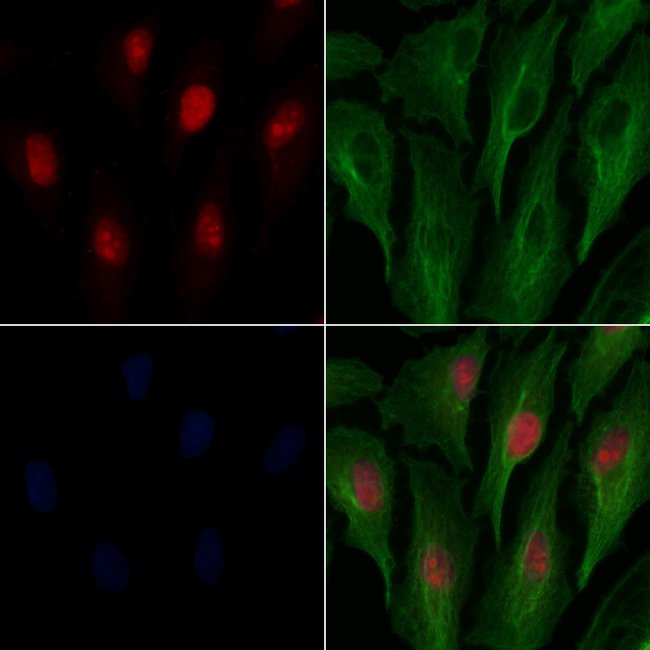
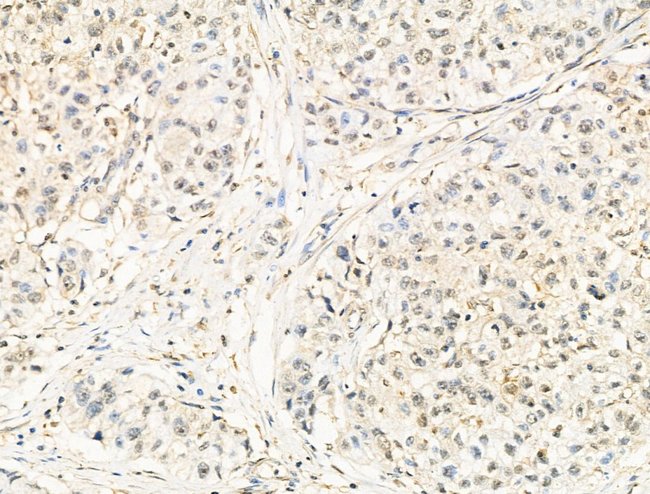
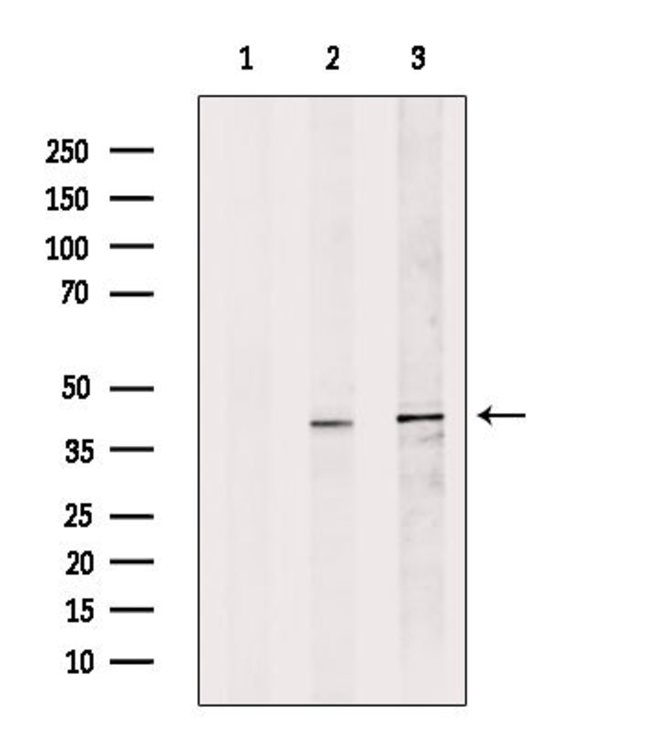
Invitrogen™ DFFB Polyclonal Antibody

Description
Antibody detects endogenous levels of total DFFB.
Caspase-activated DNase (CAD) cleaves chromosomal DNA during apoptosis. Apoptosis which is a cell death process removing toxic and/or useless cells during mammalian development can be induced by a variety of stimuli, including the death factors of the tumor necrosis factor family, or UV irradiation, anticancer drugs, and survival factor deprivation. The apoptotic process is accompanied by shrinkage and fragmentation of the cells and nuclei and degradation of the chromosomal DNA into nucleosomal units. CAD, which can be activated by caspases, exists as a complex with its inhibitor, inhibitor of CAD (ICAD). ICAD helps correct folding of CAD and remains complexed with CAD to inhibit the DNase activity of CAD. Caspase, which is activated during the apoptotic process, cleaves ICAD, and the CAD released from ICAD enters the nuclei to cleave the chromosomal DNA. Internal as well as external signals can activate caspases and this is under the control of the balance between pro-and anti-apoptotic proteins of the Bcl-2 family, heat shock proteins, and inhibitors of apoptosis proteins (IAPs). Currently, fourteen members of the caspase family have been identified, of which seven mediate apoptosis.

Specifications
Specifications
| Antigen | DFFB |
| Applications | Immunohistochemistry (Paraffin), Western Blot, Immunocytochemistry |
| Classification | Polyclonal |
| Concentration | 1 mg/mL |
| Conjugate | Unconjugated |
| Formulation | PBS with 50% glycerol and 0.02% sodium azide |
| Gene | DFFB |
| Gene Accession No. | O54788, O76075, Q99N34 |
| Gene Alias | 2410008J01Rik; 40kDa; 5730477D02Rik; AU018859; CAD; caspase-activated deoxyribonuclease; caspase-activated DNase; caspase-activated nuclease; Cpad; CPAN; DFF2; DFF-2; DFF40; DFF-40; DFFB; Didff; DNA fragmentation factor 40 kD beta polypeptide (caspase-activated DNase); DNA fragmentation factor 40 kDa subunit; DNA fragmentation factor subunit beta; DNA fragmentation factor, 40 kD, beta polypeptide (caspase-activated DNase); DNA fragmentation factor, 40 kD, beta subunit; DNA fragmentation factor, 40kDa, beta polypeptide (caspase-activated DNase); DNA fragmentation factor, beta polypeptide (caspase-activated DNase); DNA fragmentation factor, beta subunit; DNase inhibited by DNA fragmentation factor; RP13-531C17.1; RP23-254N4.2 |
| Gene Symbols | DFFB |
| Show More |
Safety and Handling
WARNING: Cancer - www.P65Warnings.ca.gov
Product Title
By clicking Submit, you acknowledge that you may be contacted by Fisher Scientific in regards to the feedback you have provided in this form. We will not share your information for any other purposes. All contact information provided shall also be maintained in accordance with our Privacy Policy.
Spot an opportunity for improvement?