Promotional price valid on web orders only. Your contract pricing may differ. Interested in signing up for a dedicated account number?
Learn More
Learn More
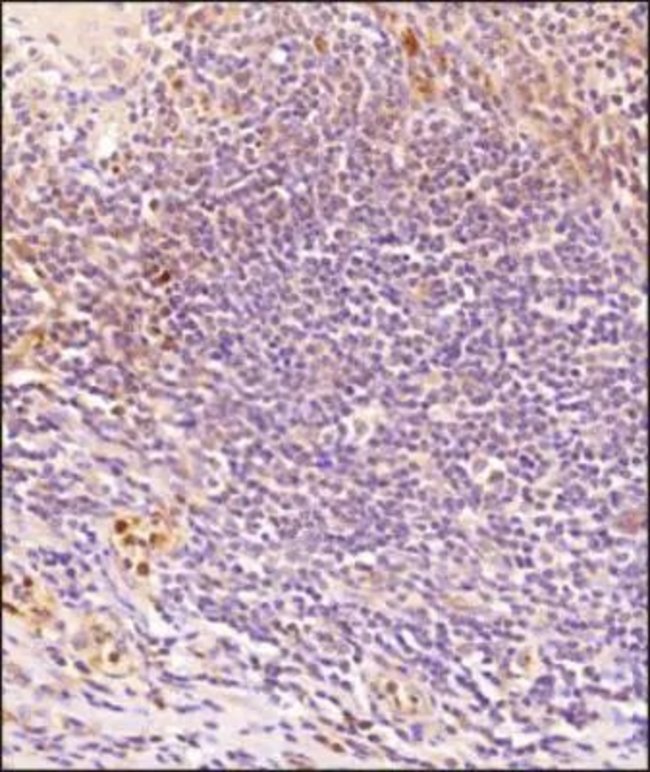

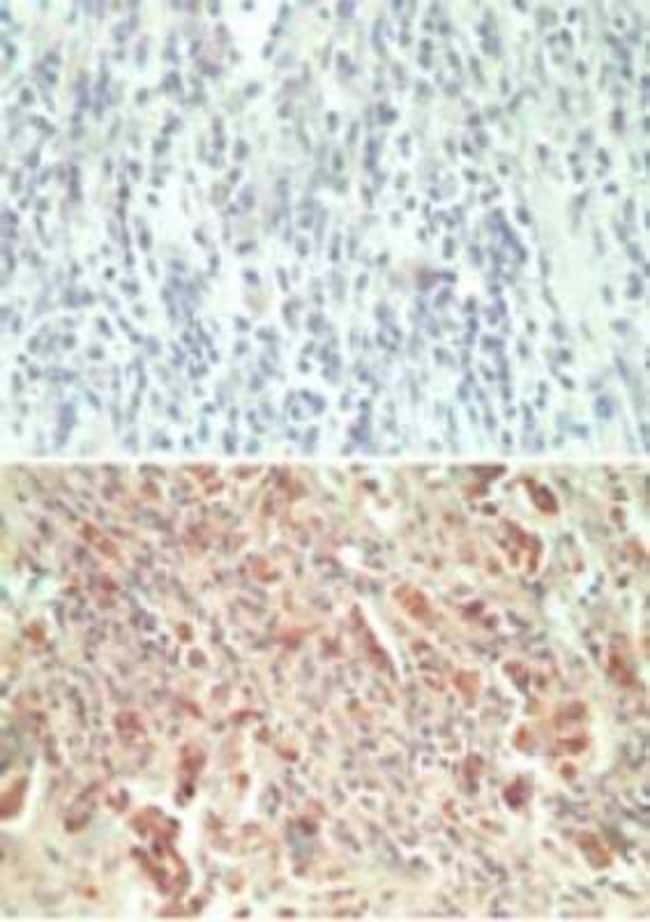

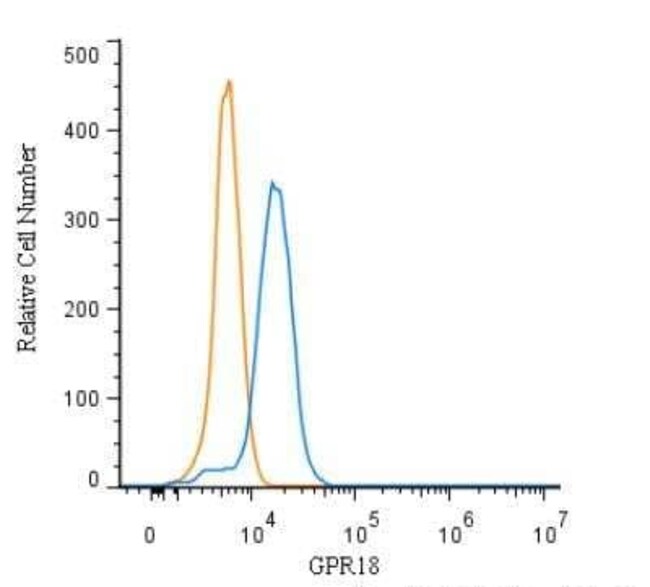
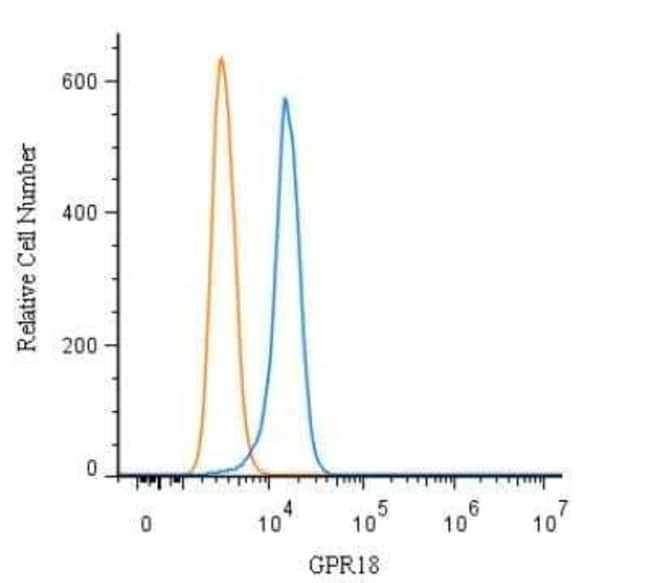

Description
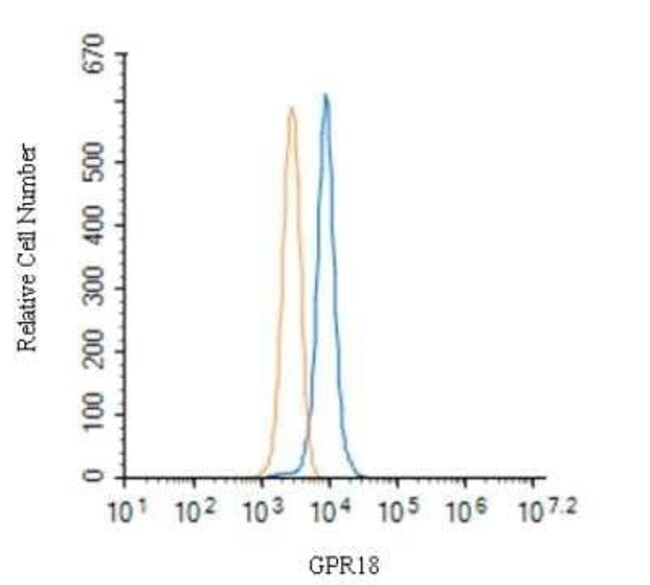
GPR18 Polyclonal Antibody for Western Blot, IHC (P), ICC/IF, Flow
The G-protein-coupled receptor (GPCR) superfamily is comprised of an estimated 600-1,000 members and is the largest known class of molecular targets with proven therapeutic value. GPR18 is an orphan G protein-coupled receptor found at high levels in the testis, small intestines and cells associated with the immune system including lymphocytes, thymus and spleen. GPR18 has been found to be a receptor for endogenous lipid neurotransmitters, several of which also bind to cannabinoid receptors. Some ligands described to be GPR18 agonists or partial agonists include N-Arachidonoylglycine, Abnormal cannabidiol, O-1602, AM-251, Cannabidiol, delta 9-Tetrahydrocannabinol, N-arachidonoyl ethanolamine and Arachidonylcyclopropylamide. Antagonists include the synthetic cannabidiol related compounds CID-85469571 and O-1918.

Specifications
Specifications
| Antigen | GPR18 |
| Applications | Flow Cytometry, Immunohistochemistry (Paraffin), Western Blot, Immunocytochemistry |
| Classification | Polyclonal |
| Concentration | 1 mg/mL |
| Conjugate | Unconjugated |
| Formulation | PBS with 0.02% sodium azide |
| Gene | GPR18 |
| Gene Accession No. | A1A5S3, Q14330, Q8K1Z6 |
| Gene Alias | EMBL:AAI28783.1}; G protein-coupled receptor 18; GPCRW; Gpr18; gpr18 {ECO:0000312; G-protein coupled receptor 18; NAGly receptor; N-arachidonyl glycine receptor; RP11-461N23.8 |
| Gene Symbols | GPR18 |
| Show More |
Safety and Handling
WARNING: Cancer - www.P65Warnings.ca.gov
Product Title
By clicking Submit, you acknowledge that you may be contacted by Fisher Scientific in regards to the feedback you have provided in this form. We will not share your information for any other purposes. All contact information provided shall also be maintained in accordance with our Privacy Policy.
Spot an opportunity for improvement?