Learn More
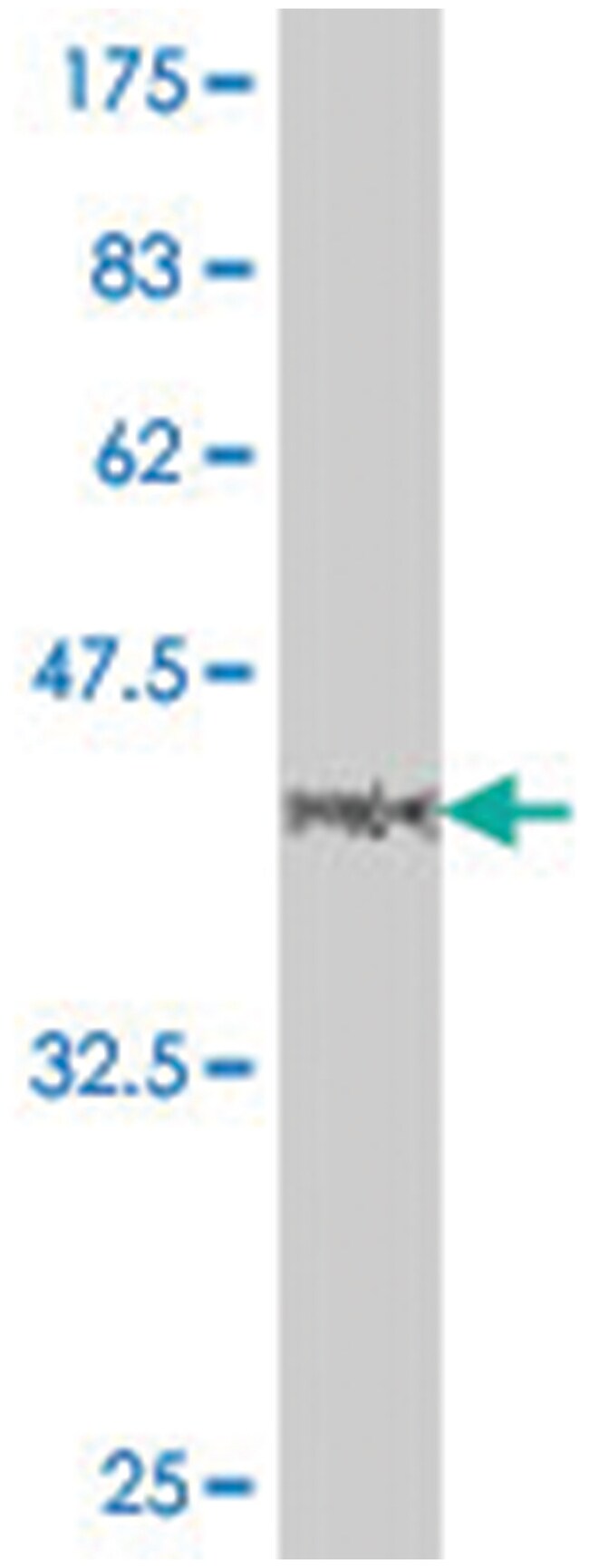
Description
The MLL gene encodes a DNA-binding protein that methylates histone H3 (see MIM 601128) lys4 (H3K4) and positively regulates expression of target genes, including multiple HOX genes (see MIM 142980). MLL is a frequent target for recurrent translocations in acute leukemias that may be characterized as acute myeloid leukemia (AML; MIM 601626), acute lymphoblastic leukemia (ALL), or mixed lineage (biphenotypic) leukemia (MLL). Leukemias with translocations involving MLL possess unique clinical and biologic characteristics and are often associated with poor prognosis. MLL rearrangements are found in more than 70% of infant leukemias, whether the immunophenotype is more consistent with ALL or AML6, but are less frequent in leukemias from older children. MLL translocations are also found in approximately 10% of AMLs in adults, as well as in therapy-related leukemias, most often characterized as AML, that develop in patients previously treated with topoisomerase II inhibitors for other malignancies. More than 50 different MLL fusion partners have been identified. Leukemogenic MLL translocations encode MLL fusion proteins that have lost H3K4 methyltransferase activity. A key feature of MLL fusion proteins is their ability to efficiently transform hematopoietic cells into leukemia stem cells (Krivtsov and Armstrong, 2007 [PubMed 17957188]).[supplied by OMIM
Specifications
Specifications
| Antigen | MLL |
| Applications | ELISA, Western Blot |
| Classification | Polyclonal |
| Conjugate | Unconjugated |
| Description | Mouse polyclonal antibody raised against a partial recombinant MLL. |
| Formulation | 50% glycerol |
| Gene | MLL |
| Gene Accession No. | NM_005933 |
| Gene Alias | ALL-1/CXXC7/FLJ11783/HRX/HTRX1/KMT2A/MLL/GAS7/MLL1A/TET1-MLL/TRX1 |
| Gene Symbols | MLL |
| Show More |
For Research Use Only
By clicking Submit, you acknowledge that you may be contacted by Fisher Scientific in regards to the feedback you have provided in this form. We will not share your information for any other purposes. All contact information provided shall also be maintained in accordance with our Privacy Policy.