Promotional price valid on web orders only. Your contract pricing may differ. Interested in signing up for a dedicated account number?
Learn More
Learn More
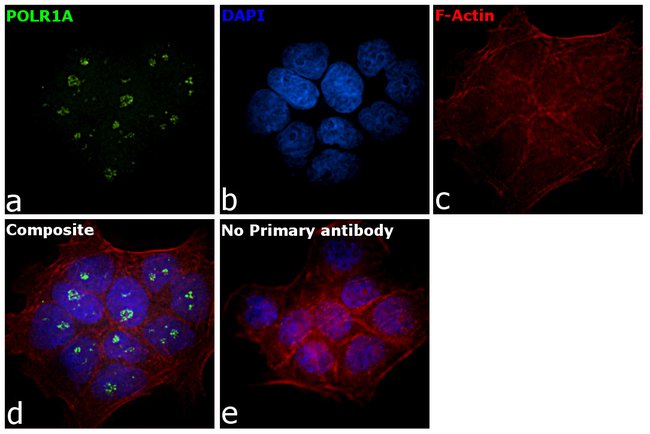
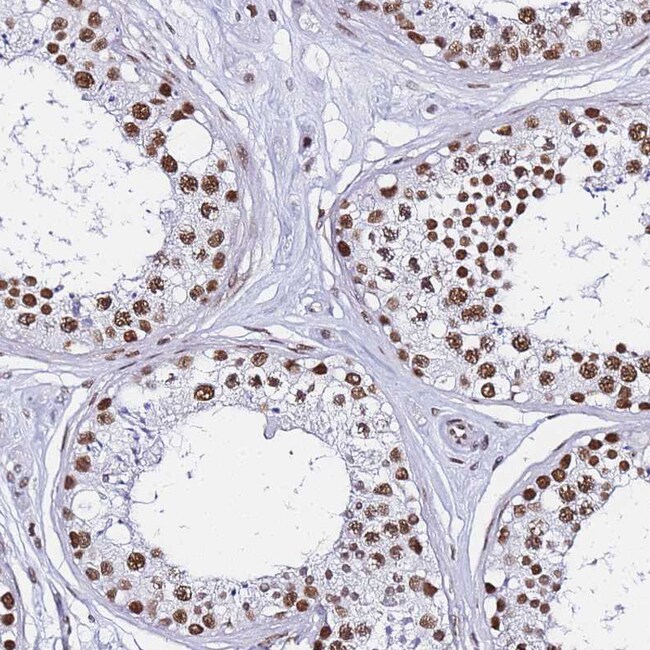
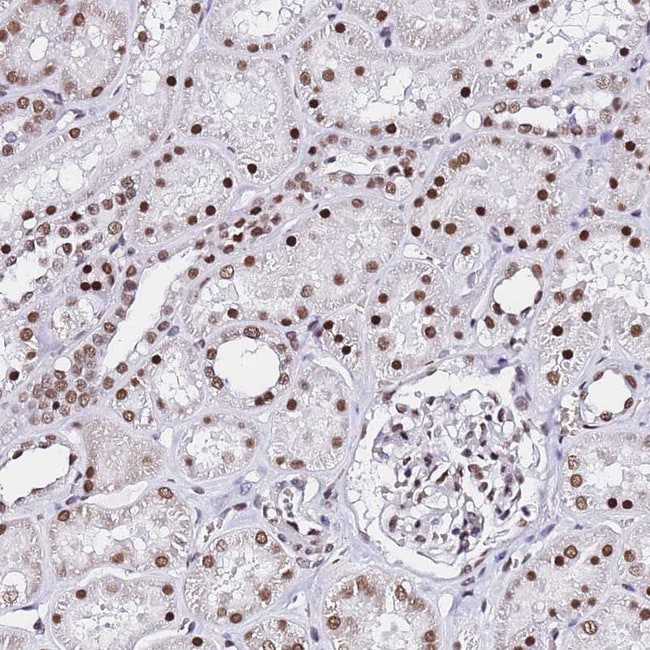
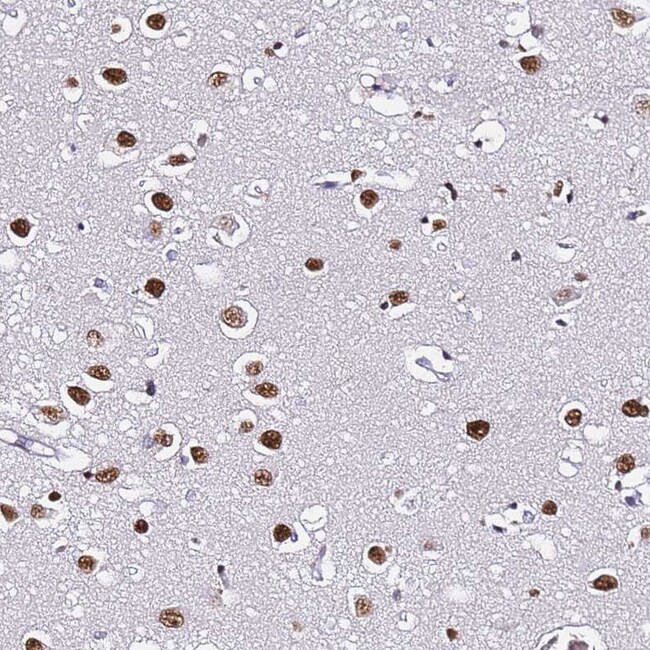
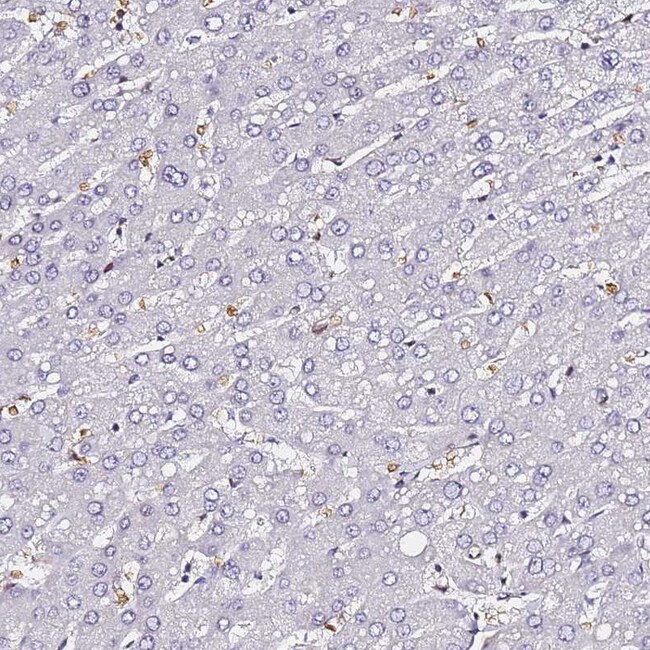
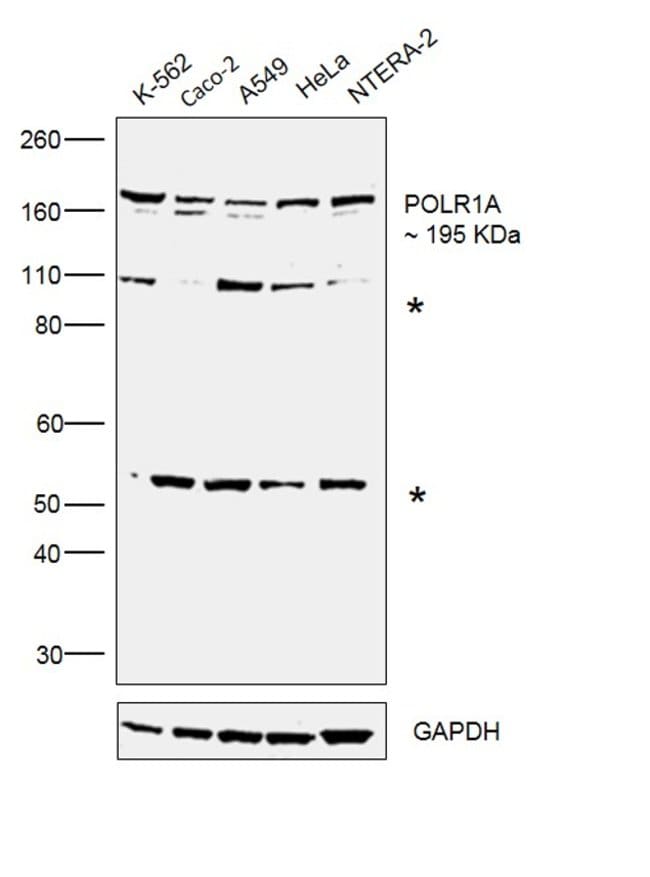
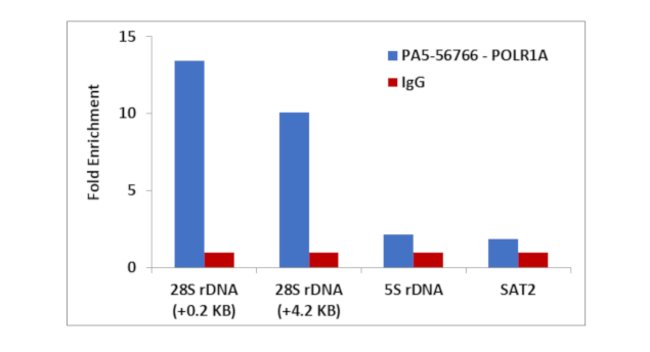
Invitrogen™ POLR1A Polyclonal Antibody

Description
Immunogen sequence: SNYEVIMKSQ HLHEVLSRAD PKKALHHFRA IKKWQSKHPN TLLRRGAFLS YSQKIQEAVK ALKLESENRN GRSPGTQEML RMWYELDEES RRKYQ Highest antigen sequence identity to the following orthologs: Mouse - 73%, Rat - 76%.
SLP-76 was originally identified as a substrate of the ZAP-70 protein tyrosine kinase following T cell receptor (TCR) ligation in the leukemic T cell line Jurkat. The SLP-76 locus has been localized to human chromosome 5q33 and the gene structure has been partially characterized in mice. The human and murine cDNAs both encode 533 amino acid proteins that are 72% identical and comprised of three modular domains. The NH2-terminus contains an acidic region that includes a PEST domain and several tyrosine residues which are phosphorylated following TCR ligation. SLP-76 also contains a central proline-rich domain and a COOH-terminal SH2 domain. A number of additional proteins have been identified that associate with SLP-76 both constitutively and inducibly following receptor ligation, supporting the notion that SLP-76 functions as an adaptor or scaffold protein. Studies using SLP-76 deficient T cell lines or mice have provided strong evidence that SLP-76 plays a positive role in promoting T cell development and activation as well as mast cell and platelet function.

Specifications
Specifications
| Antigen | POLR1A |
| Applications | ChIP Assay, Immunohistochemistry (Paraffin), Western Blot |
| Classification | Polyclonal |
| Concentration | 0.2 mg/mL |
| Conjugate | Unconjugated |
| Formulation | PBS with 40% glycerol and 0.02% sodium azide; pH 7.2 |
| Gene | POLR1A |
| Gene Accession No. | O95602 |
| Gene Alias | 194kDa; 3010014K16Rik; A190; A194; AFDCIN; DNA-directed RNA polymerase I A; DNA-directed RNA polymerase I largest subunit; DNA-directed RNA polymerase I subunit A; DNA-directed RNA polymerase I subunit A1; DNA-directed RNA polymerase I subunit RPA1; mRPA1; Polr1a; polymerase (RNA) I polypeptide A; polymerase (RNA) I polypeptide A, 194kDa; polymerase (RNA) I subunit A; RNA polymerase 1-4; RNA polymerase 1-4 (194 kDa subunit); RNA polymerase I (194 kDa subunit); RNA polymerase I 194 kDa subunit; RNA polymerase I subunit A; RNA polymerase I subunit A1; Rpa1; RPA194; RPO14; RPO1-4 |
| Gene Symbols | POLR1A |
| Show More |
Product Title
By clicking Submit, you acknowledge that you may be contacted by Fisher Scientific in regards to the feedback you have provided in this form. We will not share your information for any other purposes. All contact information provided shall also be maintained in accordance with our Privacy Policy.
Spot an opportunity for improvement?