Promotional price valid on web orders only. Your contract pricing may differ. Interested in signing up for a dedicated account number?
Learn More
Learn More
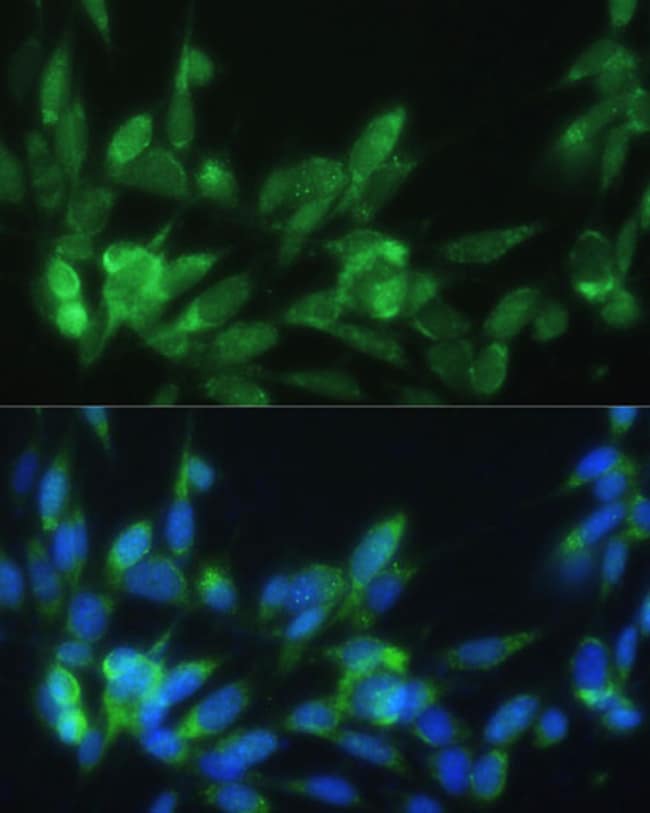
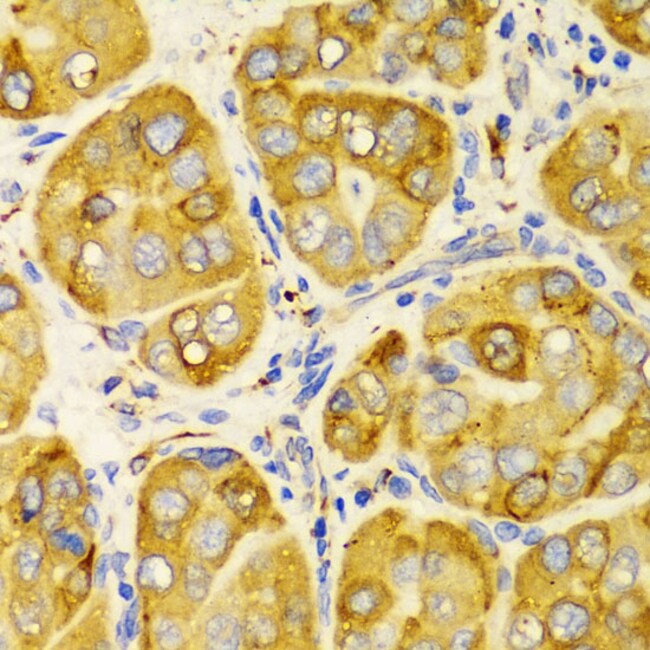
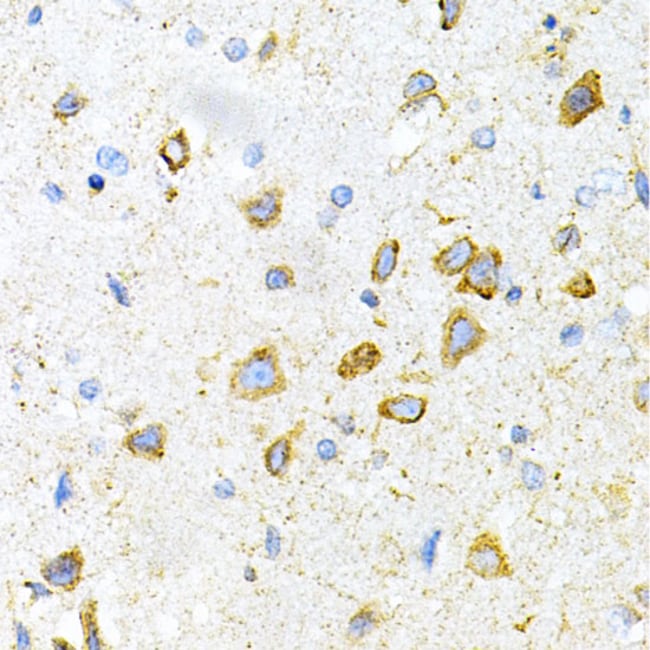
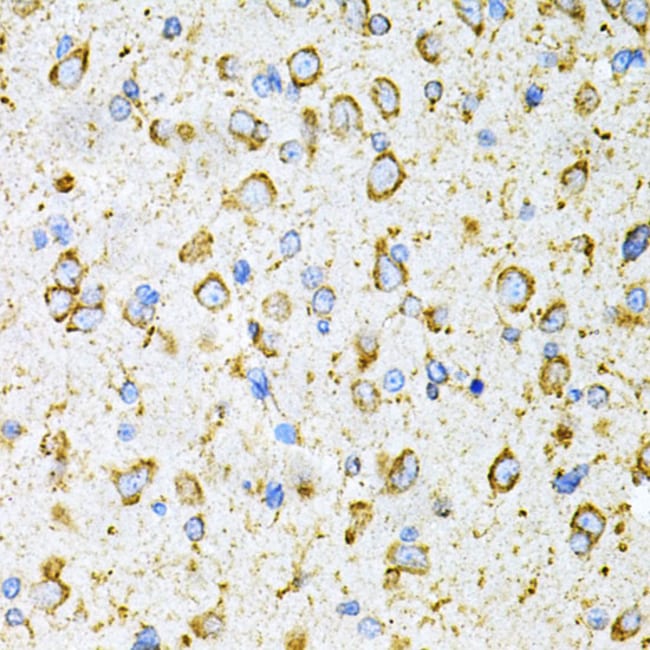
Invitrogen™ RAP Polyclonal Antibody

Description
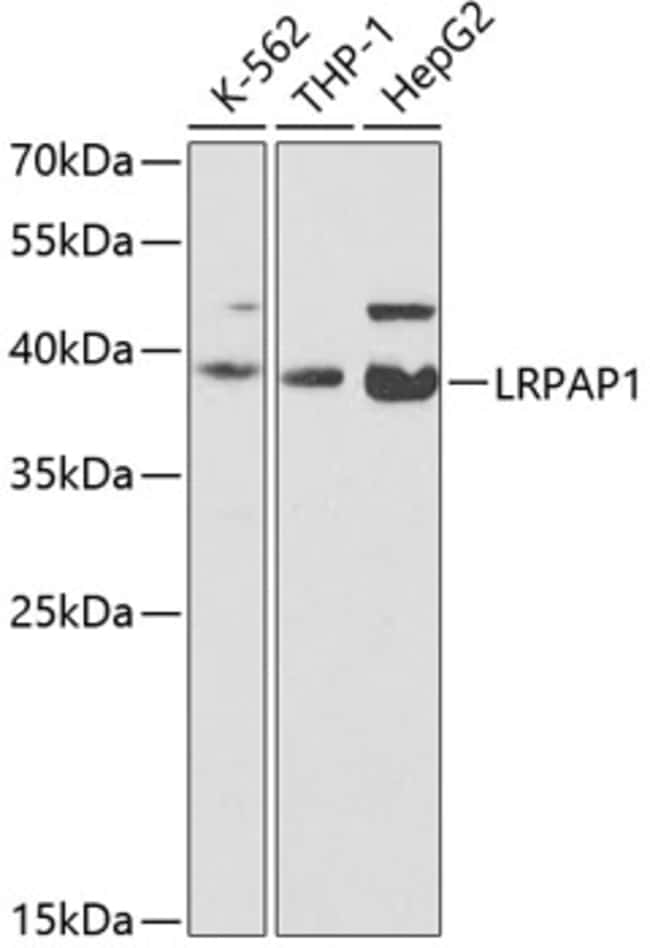
Positive Samples: K-562, THP-1, HepG2; Cellular Location: Cell surface, Cytoplasm, Endoplasmic reticulum Immunogen sequence: GLDEDGEKEA RLIRNLNVIL AKYGLDGKKD ARQVTSNSLS GTQEDGLDDP RLEKLWHKAK TSGKFSGEEL DKLWREFLHH KEKVHEYNVL LETLSRTEEI H.
The term RAP typically refers to receptor-associated protein, encoded by the LRPAP1 gene, which plays a significant role in the trafficking and function of certain receptors within cells. RAP is primarily involved in the regulation of low-density lipoprotein receptor-related proteins (LRPs) by acting as a chaperone during protein transport within the endoplasmic reticulum (ER). It prevents premature ligand binding and assists in the proper folding and assembly of receptor complexes, ensuring efficient receptor function and trafficking to the cell surface. RAP also influences cellular processes related to cholesterol metabolism and cell signaling through its interactions with these receptors. Its function is crucial for transporting and recycling receptors involved in various pathways, including lipid metabolism, endocytosis, and cellular homeostasis. Dysregulation of RAP or related receptor functions can impact metabolic health and are implicated in conditions such as atherosclerosis, neurodegenerative disorders, and cancer.

Specifications
Specifications
| Antigen | RAP |
| Applications | ELISA, Immunohistochemistry (Paraffin), Western Blot, Immunocytochemistry |
| Classification | Polyclonal |
| Concentration | 0.31 mg/mL |
| Conjugate | Unconjugated |
| Formulation | PBS with 50% glycerol and 0.01% thimerosal; pH 7.3 |
| Gene | Lrpap1 |
| Gene Accession No. | P30533, P55302, Q99068 |
| Gene Alias | 39 kDa receptor-associated protein; A2MRAP; A2RAP; AA617339; AI790446; Alpha-2-macroglobulin receptor-associated protein; Alpha-2-macroglobulin receptor-associated protein precursor (Alpha-2-MRAP) (Low density lipoprotein receptor-related protein-associated protein 1) (RAP) (Heparin binding protein-44) (HBP-44); alpha-2-MRAP; AU042172; C77774; gp330-binding 45 kDa protein; HBP44; HBP-44; heparin-binding protein 44; LDL receptor related protein associated protein 1; low density lipoprotein receptor related protein, associated protein 1; low density lipoprotein receptor-related protein associated protein 1; low density lipoprotein receptor-related protein-associated protein 1; low density lipoprotein-related protein-associated protein 1 (alpha-2-macroglobulin receptor-associated protein 1); Lrpap1; MRAP; MYP23; RAP |
| Gene Symbols | Lrpap1 |
| Show More |
Safety and Handling
WARNING: Cancer - www.P65Warnings.ca.gov
Product Title
By clicking Submit, you acknowledge that you may be contacted by Fisher Scientific in regards to the feedback you have provided in this form. We will not share your information for any other purposes. All contact information provided shall also be maintained in accordance with our Privacy Policy.
Spot an opportunity for improvement?