
Gel Electrophoresis Reagents and Buffers


Thermo Scientific Chemicals Agarose ME, for electrophoresis of macromolecules
CAS: 9012-36-6 MDL Number: MFCD00081294
BioAcryl-P (30%, 29:1)
BioAcryl-P (Acrylamide/Bisacrylamide 29:1, CAS # 25034-58-6) is a powder-based formula used to create the gel matrix necessary for electrophoresis experiments.

N,N'-Methylene-Bis-Acrylamide, Ultra Pure, 5g, MP Biomedicals
CAS: 110-26-9 Molecular Formula: C7H10N2O2 Molecular Weight (g/mol): 154.169 InChI Key: ZIUHHBKFKCYYJD-UHFFFAOYSA-N PubChem CID: 8041 IUPAC Name: N-[(prop-2-enoylamino)methyl]prop-2-enamide SMILES: C=CC(=O)NCNC(=O)C=C
Thermo Scientific Chemicals Agarose, Genetic Technology Grade
CAS: 9012-36-6 MDL Number: MFCD00081294
Thermo Scientific Chemicals Agarose, low EEO
CAS: 9012-36-6 MDL Number: MFCD00081294

Silver Protein, Strong, 7.5-8.5%, Spectrum™ Chemical
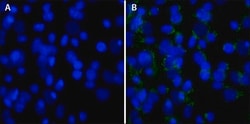

MilliporeSigma™ GelRed™ Nucleic Acid Stain 3X Water
GelRed™ is a fluorescent nucleic acid stain designed to replace the highly toxic ethidium bromide (EtBr) for staining dsDNA, ssDNA or RNA in agarose gels or polyacrylamide gels.

Invitrogen™ Pro-Q™ Emerald 300 Glycoprotein Gel Stain Kit, with SYPRO™ Ruby Protein Gel Stain
50-fold more sensitive than standard fuchsin staining


Coomassie Brilliant Blue R-250, Electrophoresis Grade, MP Biomedicals™
Coomassie Brilliant Blue R-250, Electrophoresis Grade stain is for use in protein gel staining.

Thermo Scientific™ Pierce™ Midi Gel Power Staining Kit
The Thermo Scientific™ Pierce Power Staining kits are designed for fast Coomassie dye staining of protein gels. The Pierce Midi Gel Power Staining Kit enables rapid Coomassie dye staining of proteins in midi-size polyacrylamide gels and the removal of unbound stain from the gel matrix.
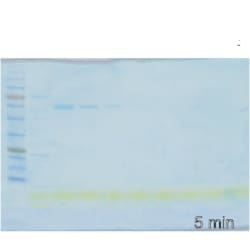
Novus Biologicals™ 5X COOMASSIEnano Concentrate Protein Staining Solution
Easy-to-reconstitute protein staining solution for SDS-PAGE gels
MilliporeSigma™ Calbiochem™ RAPIDstain™ Reagent
Used for staining polyacrylamide gels.
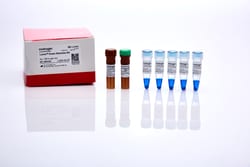
Invitrogen™ Lumio™ Green Detection Kit
Enables immediate visualization of Lumio™ fusion protein bands directly in a polyacrylamide gel