Learn More
Invitrogen™ ADH5 Polyclonal Antibody

Description
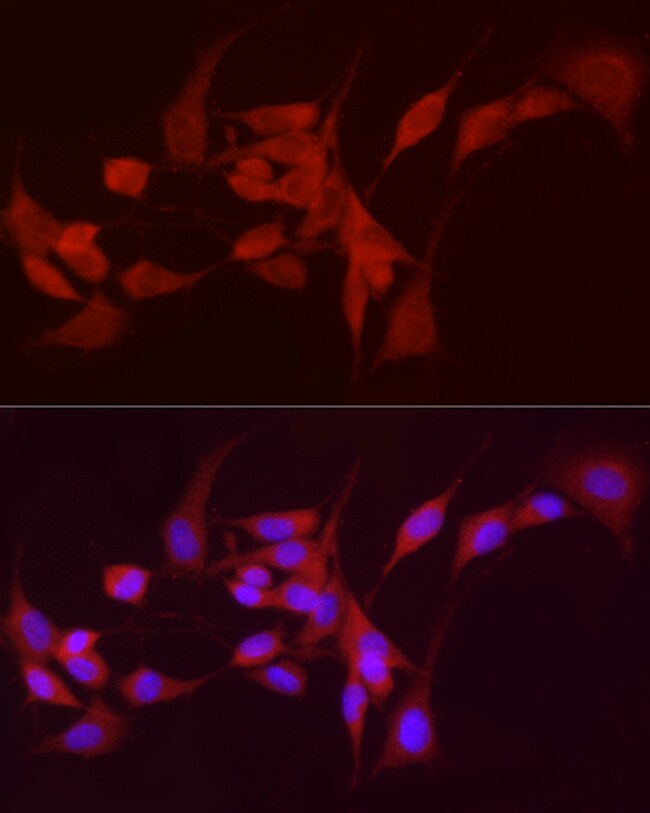
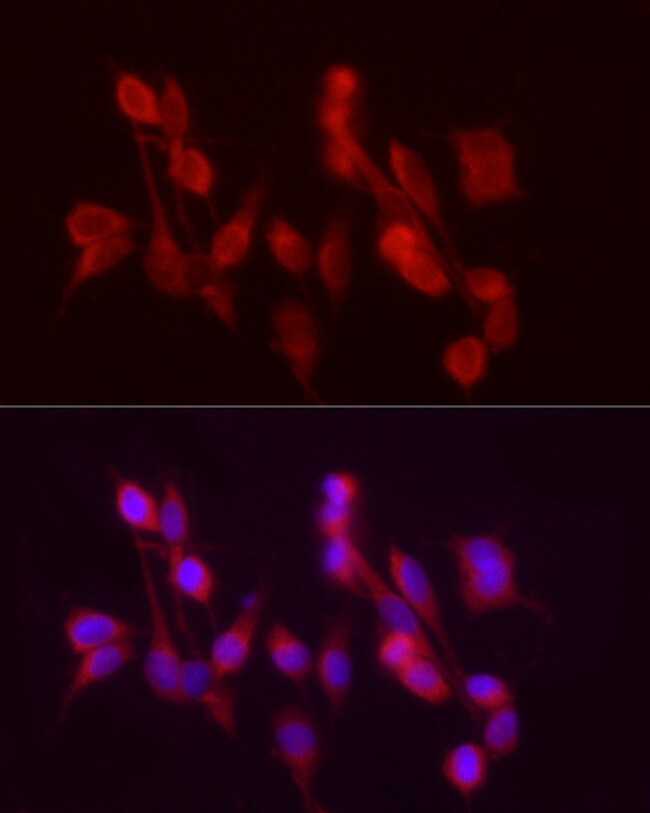
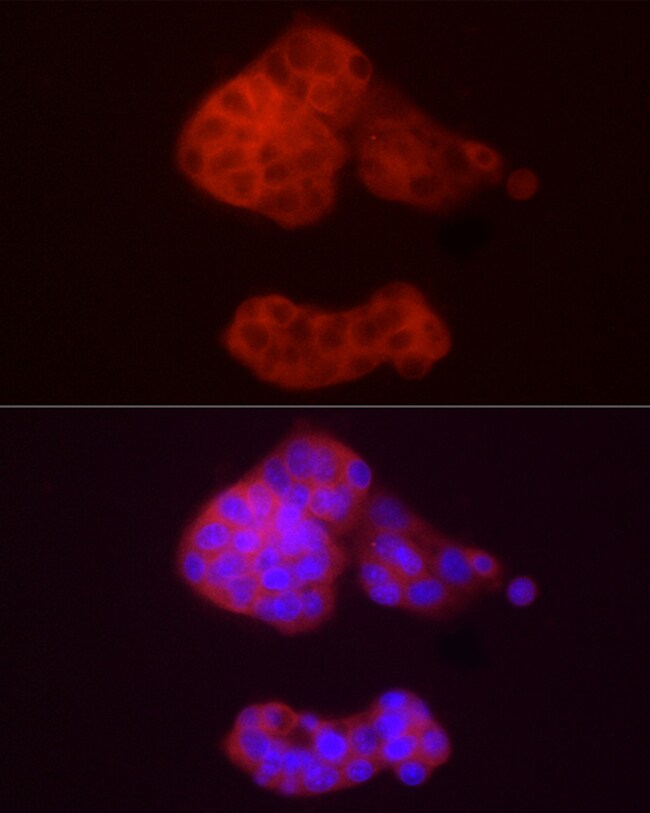
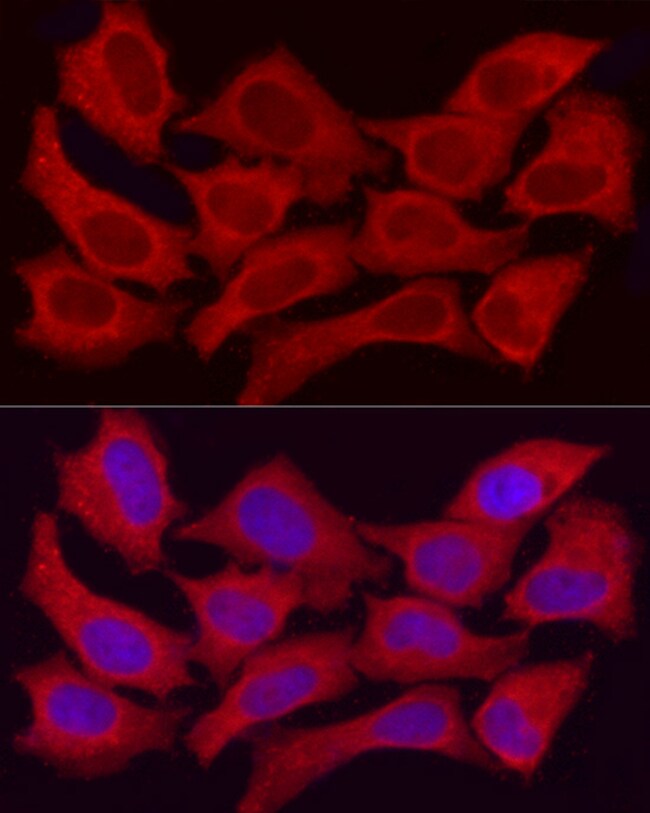
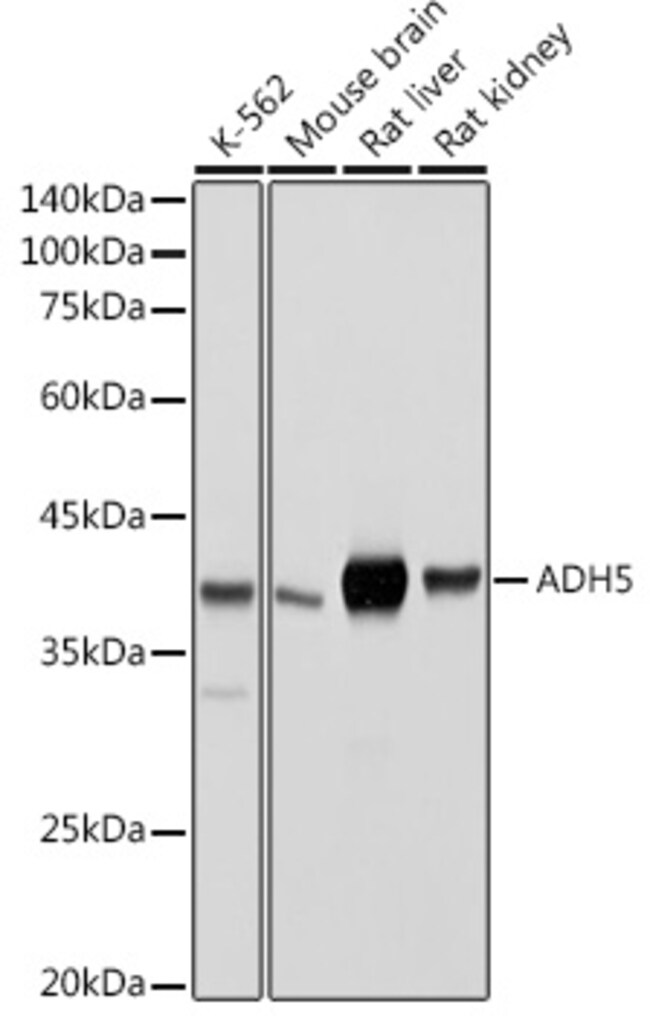
Immunogen sequence: MANEVIKCKA AVAWEAGKPL SIEEIEVAPP KAHEVRIKII ATAVCHTDAY TLSGADPEGC FPVILGHEGA GIVESVGEGV TKLKAGDTVI PLYIPQCGEC KFCLNPKTNL CQKIRVTQGK GLMPDGTSRF TCKGKTILHY MGTSTFSEYT VVADISVAKI DPLAPLDKVC LLGCGISTGY GAAVNTAKLE PGSVCAVFGL GGVGLAVIMG CKVAGASRII GVDINKDKFA RAKEFGATEC INPQDFSKPI QEVLIEMTDG GVDYSFECIG NVKVMRAALE ACHKGWGVSV VVGVAASGEE IATRPFQLVT GRTWKGTAFG GWKSVESVPK LVSEYMSKKI KVDEFVTHNL SFDEINKAFE LMHSGKSIRT VVKI; Positive Samples: U-251MG; Cellular Location: Cytoplasm.

Specifications
Specifications
| Antigen | ADH5 |
| Applications | ELISA, Western Blot, Immunocytochemistry |
| Classification | Polyclonal |
| Concentration | 0.32 mg/mL |
| Conjugate | Unconjugated |
| Formulation | PBS with 50% glycerol and 0.02% sodium azide; pH 7.3 |
| Gene | ADH5 |
| Gene Accession No. | P11766, P12711, P28474 |
| Gene Alias | ADH1C; Adh2; Adh-2; ADH3; ADH-3; ADH5; Adh-5; ADH-B2; ADHX; alcohol dehydrogenase (class III), chi polypeptide; alcohol dehydrogenase 1C (class I), gamma polypeptide; alcohol dehydrogenase 2; Alcohol dehydrogenase 5; alcohol dehydrogenase 5 (class III), chi polypeptide; alcohol dehydrogenase B2; Alcohol dehydrogenase class chi chain; alcohol dehydrogenase class-3; Alcohol dehydrogenase class-III; class III alcohol dehydrogenase; class III alcohol dehydrogenase, chi subunit; epididymis secretory sperm binding protein Li 60p; FALDH; FDH; formaldehyde dehydrogenase; glutathione-dependent formaldehyde dehydrogenase; GSH-FDH; GSNOR; HEL-S-60p; S-(hydroxymethyl)glutathione dehydrogenase; S-nitrosoglutathione reductase |
| Gene Symbols | ADH5 |
| Show More |
By clicking Submit, you acknowledge that you may be contacted by Fisher Scientific in regards to the feedback you have provided in this form. We will not share your information for any other purposes. All contact information provided shall also be maintained in accordance with our Privacy Policy.