Learn More
Description
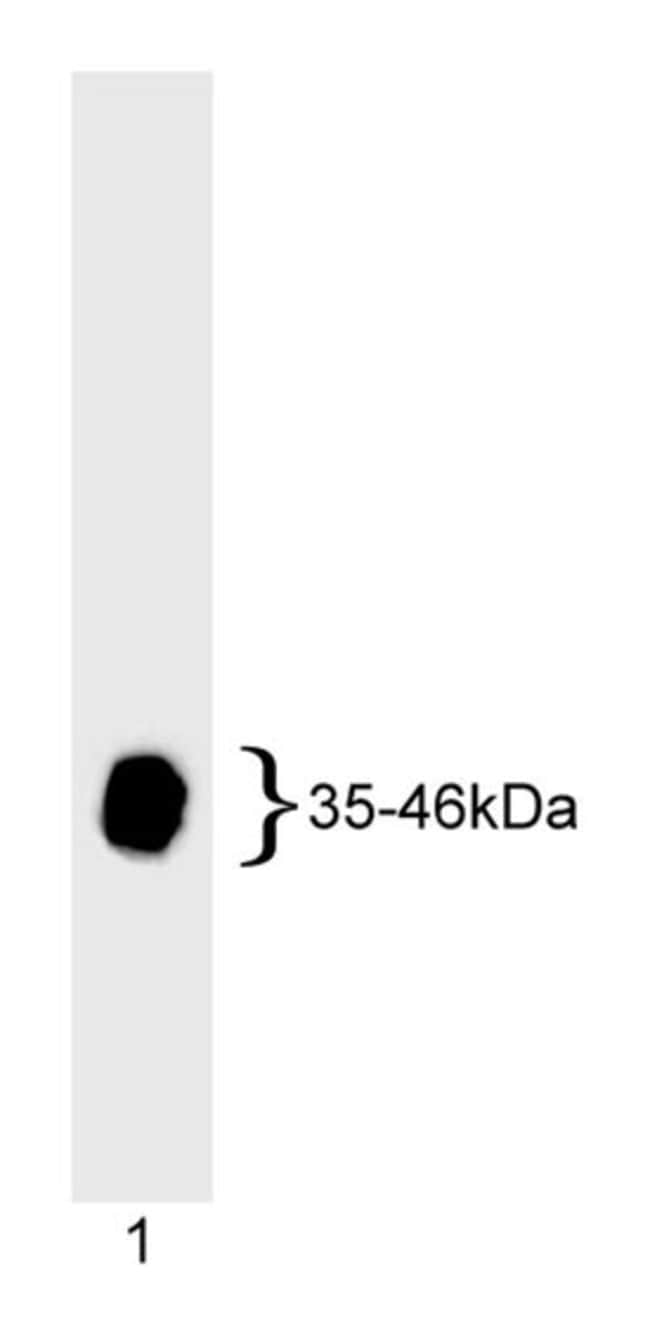
Human adenoviruses are widely used as models for studying cellular transformation and regulation of gene expression. The adenovirus E1A region plays a central role in each of these processes. This region of the viral genome encodes a series of related proteins with multifunctional capabilities. E1A regulates the transcriptional regulation of a wide variety of viral and cellular promoters. Most commonly, this results in the activation of transcription from the target promoter. In other cases, transcription from the targeted promoter is repressed by the action of E1A. E1A proteins also contribute to the transforming capabilities of adenoviruses. The E1A and E1B regions together comprise the transforming region of adenovirus. While expression of E1A alone is sufficient to immortalize primary cells, complete transformation requires the additional expression of the E1B region. Several other oncogenes, including the activated H-ras oncogene and polyoma middle T antigen, can complement E1A by substituting for E1B in transformation assays. Similarly, E1A can be replaced by polyoma large T antigen, c-myc and mutated p53 protein. Several conserved regions of E1A are strikingly similar to portions of other viral oncoproteins, e.g., HPV-16, HPV-18 E7 and SV40 large T antigen. Like HPV E7 and SV40 large T antigen, E1A proteins can form a specific complex with the retinoblastoma tumor suppressor gene product (Rb protein). Complex formation between the products of oncogenes and tumor suppressor genes are believed to be important in cellular transformation. The exact mechanism(s) of these complexes are not fully understood, however they may be involved in negative regulation of cellular growth and/or differentiation. M58 recognizes Adenovirus Type 5 E1A proteins.4 A trpE-E1A fusion protein was used as immunogen. The fusion protein contained the C-terminal 266 amino acids of the 13S E1A protein. This is about 90% of the E1A 13S coding sequence.

Specifications
Specifications
| Antigen | Adenovirus Type 5 E1A |
| Applications | Western Blot |
| Classification | Monoclonal |
| Clone | M58 |
| Concentration | 0.5mg/mL |
| Conjugate | Unconjugated |
| Formulation | Aqueous buffered solution containing ≤0.09% sodium azide. |
| Host Species | Mouse |
| Immunogen | A trpE-E1A fusion protein |
| Purification Method | Affinity Purified |
| Show More |
Safety and Handling
For Research Use Only.
By clicking Submit, you acknowledge that you may be contacted by Fisher Scientific in regards to the feedback you have provided in this form. We will not share your information for any other purposes. All contact information provided shall also be maintained in accordance with our Privacy Policy.