Learn More

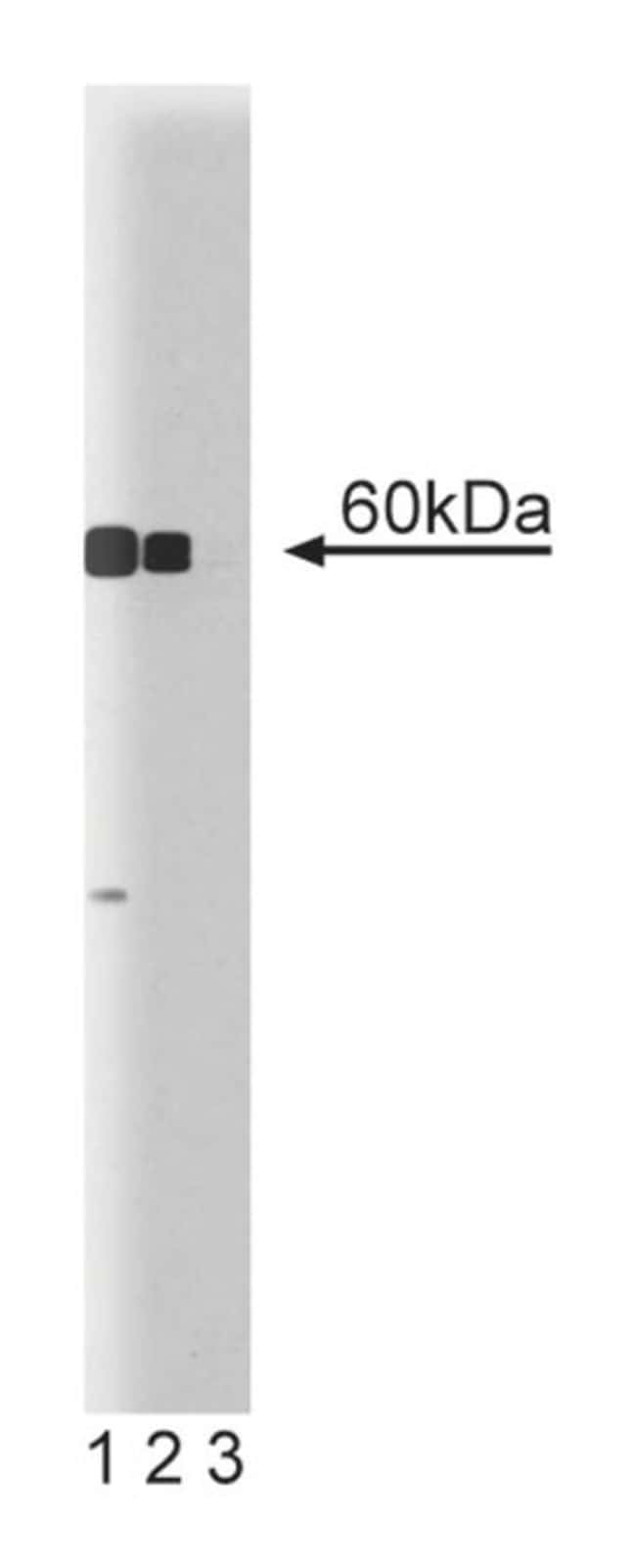
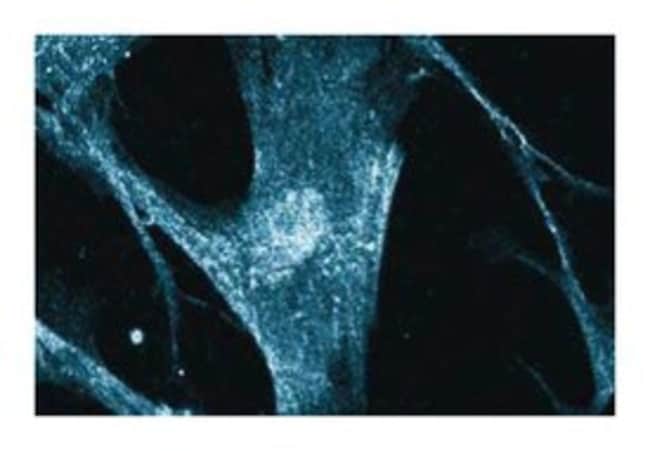
Description
CaM-kinase IV (Ca2+calmodulin-dependent protein kinase IV, also described as CaM-kinase Gr) is activated through the binding of Ca2+/CaM and by phosphorylation. This kinase has high sequence homologies with the catalytic and regulatory domains of CaM-kinase II. CaM-kinase IV is a monomer which is highly expressed in cerebellum, thymus, and testis. Its subcellular distrubution includes localization in both the synaptic regions of the molecular layer of the cerebellum, and the nuclei of cerebellar granule cells. CaM-kinase IV has an autoinhibitory domain within residues 305-321 that can suppress kinase activity in the absence of Ca2+/CaM. This type of domain is common in many other CaM-dependent kinases and phosphatases. CaM-kinase IV does not appear to be significantly activated by autophosphorylation but it can be activated approximately 5-10-fold when phosphorylated by CaM-kinase IV kinase.
Immunofluorescence, Immunohistochemistry, Immunoprecipitation, Western Blotting

Specifications
Specifications
| Antigen | CaM Kinase IV |
| Applications | Western Blot |
| Classification | Monoclonal |
| Clone | 26 |
| Concentration | 250μg/mL |
| Conjugate | Unconjugated |
| Formulation | Aqueous buffered solution containing BSA, glycerol, and ≤0.09% sodium azide. |
| Host Species | Mouse |
| Immunogen | Aqueous buffered solution containing BSA, glycerol, and ≤0.09% sodium azide. |
| Purification Method | Affinity Purified |
| Show More |
For Research Use Only.
By clicking Submit, you acknowledge that you may be contacted by Fisher Scientific in regards to the feedback you have provided in this form. We will not share your information for any other purposes. All contact information provided shall also be maintained in accordance with our Privacy Policy.