Learn More
Description
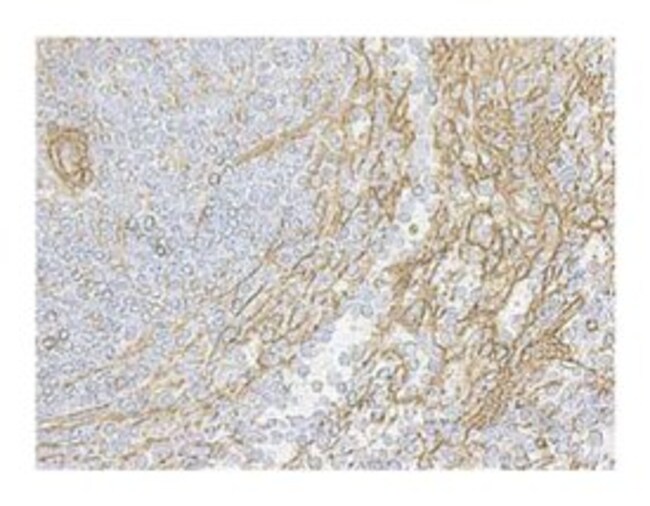
The 9EG7 antibody reacts with the 130kDa integrin β1 chain (CD29). CD29 is expressed on the cell surface as a heterodimer with one of the distinct integrin αchains. With α1 through α6 (CD49a through CD49f), it forms the VLA-1 through VLA-6 complexes, respectively, and with αv (CD51), it forms αvβ1 integrin. It also associates with the integrin α7 α8 and α9 chains in non-lymphoid tissues. As a result, CD29 has a broad tissue distribution, including lymphocytes, endothelia, smooth muscle, and epithelia. 9EG7 mAb has been shown to inhibit both the α6β1 mediated binding of lymphocytes to endothelial cells and the adhesion mediated by activated, but not unactivated, α4β1-integrin. The source of the immunogen was mouse lymph node-derived endothelial cell line TME.

Specifications
Specifications
| Antigen | CD29 |
| Applications | Flow Cytometry |
| Classification | Monoclonal |
| Clone | 9EG7 |
| Concentration | 31.25μg/mL |
| Conjugate | Unconjugated |
| Description | Integrin β1 chain |
| Formulation | Aqueous buffered solution containing BSA, goat serum, and ≤0.09% sodium azide. |
| Host Species | Rat |
| Immunogen | Mouse endothelial cell line |
| Show More |
Safety and Handling
For Research Use Only.
By clicking Submit, you acknowledge that you may be contacted by Fisher Scientific in regards to the feedback you have provided in this form. We will not share your information for any other purposes. All contact information provided shall also be maintained in accordance with our Privacy Policy.