Learn More
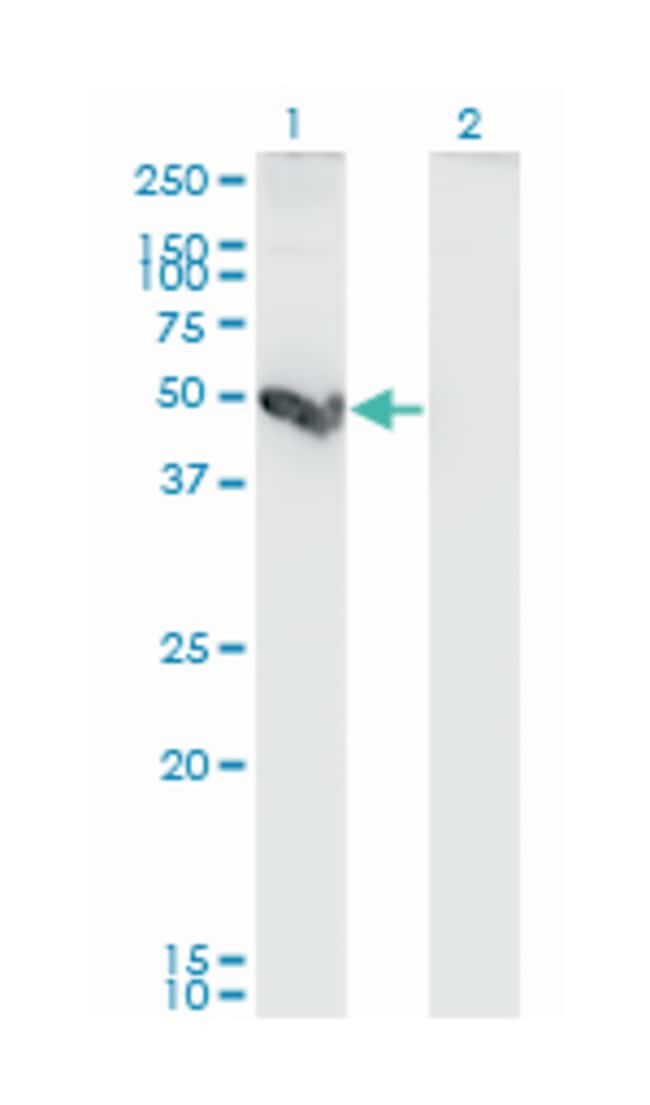
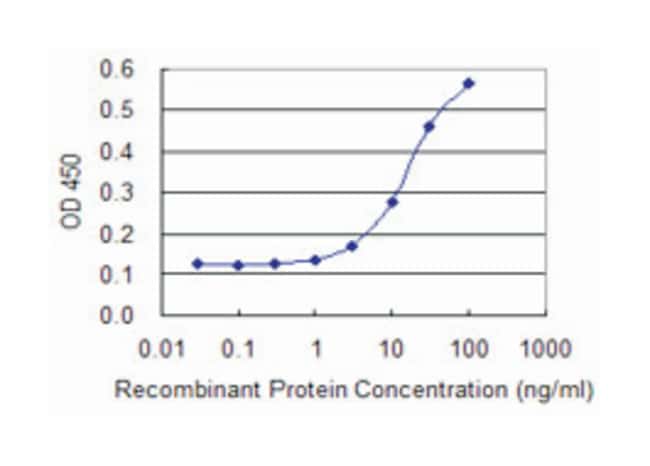
Description
The protein encoded by this gene is a gastric aspartyl protease that functions as a disulfide-linked homodimer. This protease, which is a member of the peptidase C1 family, has a specificity similar to that of pepsin A and cathepsin D. It is an intracellular proteinase that does not appear to be involved in the digestion of dietary protein and is found in highest concentration in the surface of epithelial mucus-producing cells of the stomach. It is the first aspartic proteinase expressed in the fetal stomach and is found in more than half of gastric cancers. It appears, therefore, to be an oncofetal antigen. Transcript variants utilizing alternative polyadenylation signals and two transcript variants encoding different isoforms exist for this gene. [provided by RefSeq
Specifications
Specifications
| Antigen | CTSE |
| Applications | ELISA, Western Blot |
| Classification | Monoclonal |
| Clone | 2D5 |
| Conjugate | Unconjugated |
| Description | Mouse monoclonal antibody raised against a full-length recombinant CTSE. |
| Formulation | PBS with no preservative; pH 7.4 |
| Gene | CTSE |
| Gene Accession No. | BC042537 |
| Gene Alias | CATE |
| Show More |
By clicking Submit, you acknowledge that you may be contacted by Fisher Scientific in regards to the feedback you have provided in this form. We will not share your information for any other purposes. All contact information provided shall also be maintained in accordance with our Privacy Policy.