Learn More
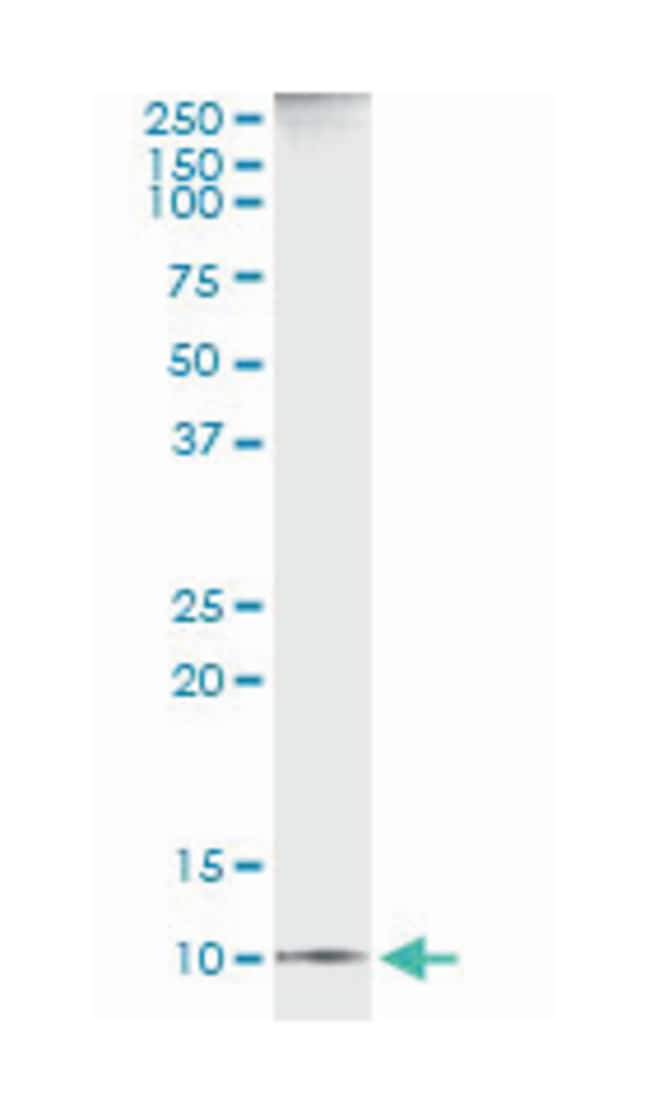
Description
Chemokines are a group of small (approximately 8 to 14kDa), mostly basic, structurally related molecules that regulate cell trafficking of various types of leukocytes through interactions with a subset of 7-transmembrane, G protein-coupled receptors. Chemokines also play fundamental roles in the development, homeostasis, and function of the immune system, and they have effects on cells of the central nervous system as well as on endothelial cells involved in angiogenesis or angiostasis. Chemokines are divided into 2 major subfamilies, CXC and CC. This gene is a CXC member of the chemokine superfamily. Its encoded protein induces a chemotactic response in activated T-cells and is the dominant ligand for CXC receptor-3. The gene encoding this protein contains 4 exons and at least three polyadenylation signals which might reflect cell-specific regulation of expression. IFN-gamma is a potent inducer of transcription of this gene. [provided by RefSeq
Specifications
Specifications
| Antigen | CXCL11 |
| Applications | ELISA, Immunoprecipitation |
| Classification | Monoclonal |
| Clone | 3C1 |
| Conjugate | Unconjugated |
| Description | Mouse monoclonal antibody raised against a full-length recombinant CXCL11. |
| Formulation | ascites with no preservative |
| Gene | CXCL11 |
| Gene Accession No. | BC005292 |
| Gene Alias | H174/I-TAC/IP-9/IP9/MGC102770/SCYB11/SCYB9B/b-R1 |
| Show More |
By clicking Submit, you acknowledge that you may be contacted by Fisher Scientific in regards to the feedback you have provided in this form. We will not share your information for any other purposes. All contact information provided shall also be maintained in accordance with our Privacy Policy.