Learn More

Description
DNA lesions caused by chemical mutagens or radiation are corrected via nucleotide excision repair (NER). The NER system includes multiple proteins involved in xeroderma pigmentosum (XP) disorders, a pathology that causes hypersensitivity to sunlight and higher incidence of skin cancer. The proteins that cause these disorders are XP proteins and include XPA, XPB, XPC, XPD, XPF, and XPG. There are six repair complexes in the NER system composed of 15-18 proteins that include XPA, XPC, XPF, TFIIH, and hHR23B. In addition to these proteins, UV damage DNA-binding (UV-DDB) protein activity has also been associated with the NER system due to the fact that UV-DDB activity is absent in a subset of XPE Ddb- patients. UV-DDB consists of two subunits, DDB1 and DDB2, which can be injected into XPE cells to restore DNA repair synthesis. UV-DDB activity may be involved in the early stages of NER when it may promote recognition of the damaged DNA through DDB2. In addition, DDB1 can bind the histone acetyltransferase p300, which may be important for chromatin remodeling during the early stages of NER. Thus, UV-DDB activity may be important for recognition of specific types of DNA damage during NER.
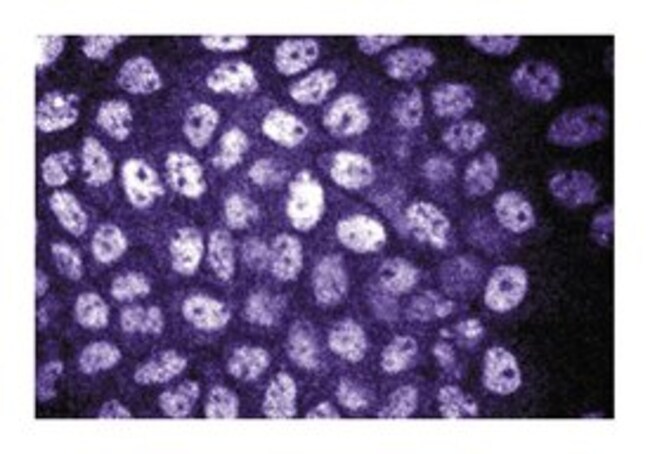
Immunofluorescence, Western Blotting

Specifications
Specifications
| Antigen | DDB1 |
| Applications | Western Blot |
| Classification | Monoclonal |
| Clone | 8 |
| Concentration | 250μg/mL |
| Conjugate | Unconjugated |
| Formulation | Aqueous buffered solution containing BSA, glycerol, and ≤0.09% sodium azide. |
| Host Species | Mouse |
| Immunogen | Human DDB1 aa. 739-935 |
| Purification Method | Affinity Purified |
| Show More |
By clicking Submit, you acknowledge that you may be contacted by Fisher Scientific in regards to the feedback you have provided in this form. We will not share your information for any other purposes. All contact information provided shall also be maintained in accordance with our Privacy Policy.