Learn More

Description
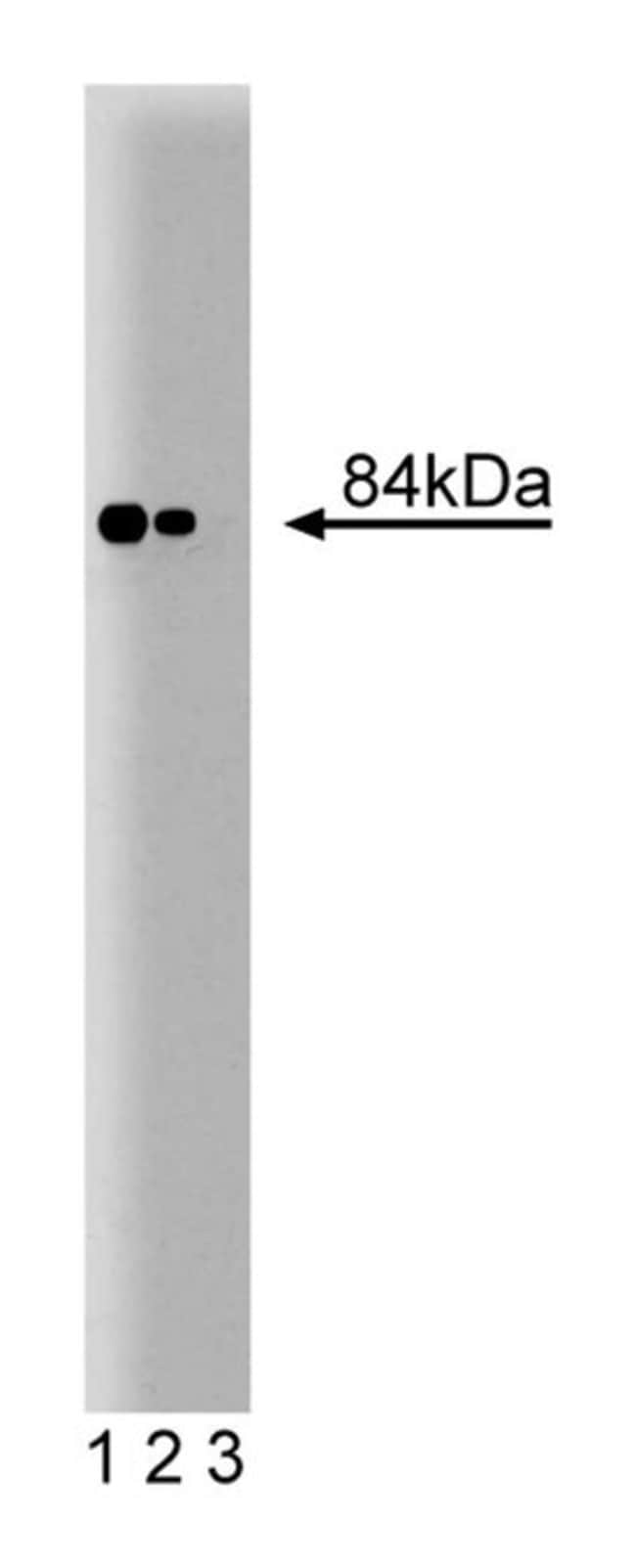
The human chromosomal region 11p15 has undergone intense analysis because of its association with various malignancies. In particular, the band 11p15.5 contains genes associated with Wilms tumor, Beckwith-Weidemann syndrome, rhabdomyosarcoma, adrenocortical carcinoma, and lung, ovarian, and breast cancer. One such gene, GOK (Stim 1), was identified near the 5′ end of the ribonucleotide reductase subunit 1 gene. Examination of the GOK primary amino acid sequence indicates that it is a typical transmembrane protein with an extracellular N-terminal domain and a cytosolic C-terminal domain. The protein is highly hydrophobic with only a short region of hydrophobicity that likely represents the transmembrane region. The C-terminal portion of GOK shares some small regions of homology with myosin (20% identity). This region of GOK consists of α-helices and is thought to adopt a coiled-coil conformation. Although GOK expression has no effect on the growth of certain breast cancer cell lines, it induces death in rhabdomyosarcoma cells. Thus, it is thought to be a recessive tumor suppressor in muscle cells, possibly by functioning as a receptor connected to an apoptotic signaling pathway.
Immunofluorescence, Western Blotting

Specifications
Specifications
| Antigen | GOK/Stim1 |
| Applications | Western Blot |
| Classification | Monoclonal |
| Clone | 44 |
| Concentration | 250μg/mL |
| Conjugate | Unconjugated |
| Description | Stim1 |
| Formulation | Aqueous buffered solution containing BSA, glycerol, and ≤0.09% sodium azide. |
| Host Species | Mouse |
| Immunogen | Human GOK aa. 25-139 |
| Show More |
By clicking Submit, you acknowledge that you may be contacted by Fisher Scientific in regards to the feedback you have provided in this form. We will not share your information for any other purposes. All contact information provided shall also be maintained in accordance with our Privacy Policy.