Learn More
Description
Cytosolic and membrane-bound forms of glutathione S-transferase are encoded by two distinct supergene families. These enzymes function in the detoxification of electrophilic compounds, including carcinogens, therapeutic drugs, environmental toxins and products of oxidative stress, by conjugation with glutathione. The genes encoding these enzymes are known to be highly polymorphic. These genetic variations can change an individual's susceptibility to carcinogens and toxins as well as affect the toxicity and efficacy of some drugs. At present, eight distinct classes of the soluble cytoplasmic mammalian glutathione S-transferases have been identified: alpha, kappa, mu, omega, pi, sigma, theta and zeta. This gene encodes a glutathione S-tranferase belonging to the alpha class. The alpha class genes, located in a cluster mapped to chromosome 6, are the most abundantly expressed glutathione S-transferases in liver. In addition to metabolizing bilirubin and certain anti-cancer drugs in the liver, the alpha class of these enzymes exhibit glutathione peroxidase activity thereby protecting the cells from reactive oxygen species and the products of peroxidation. [provided by RefSeq]
Specifications
Specifications
| Antigen | glutathione S-transferase alpha 1 |
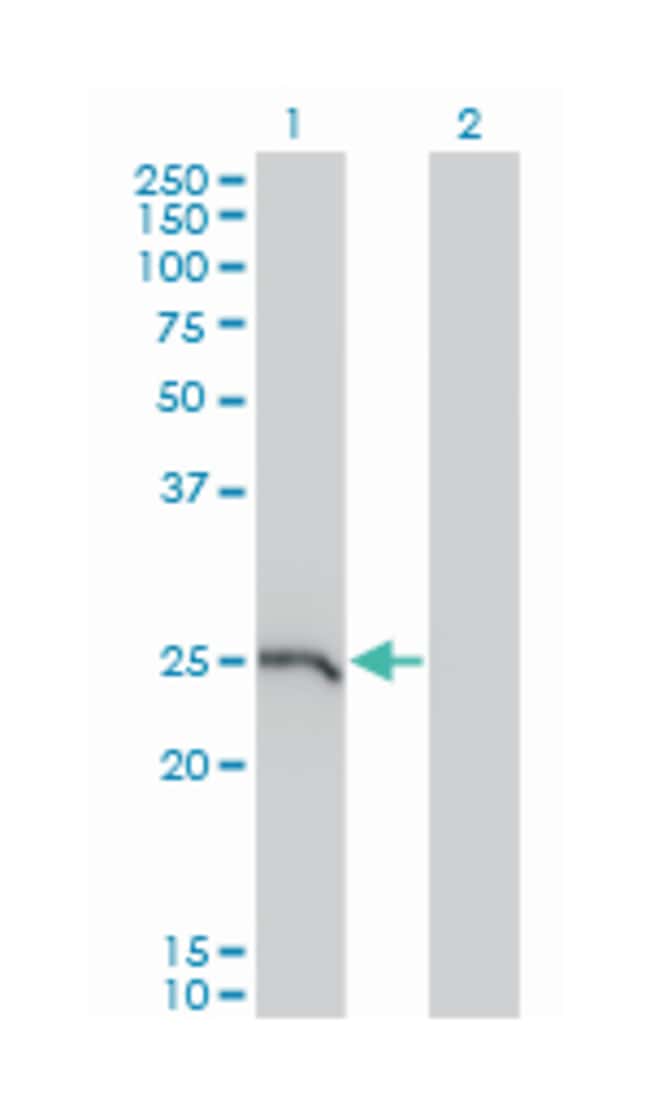
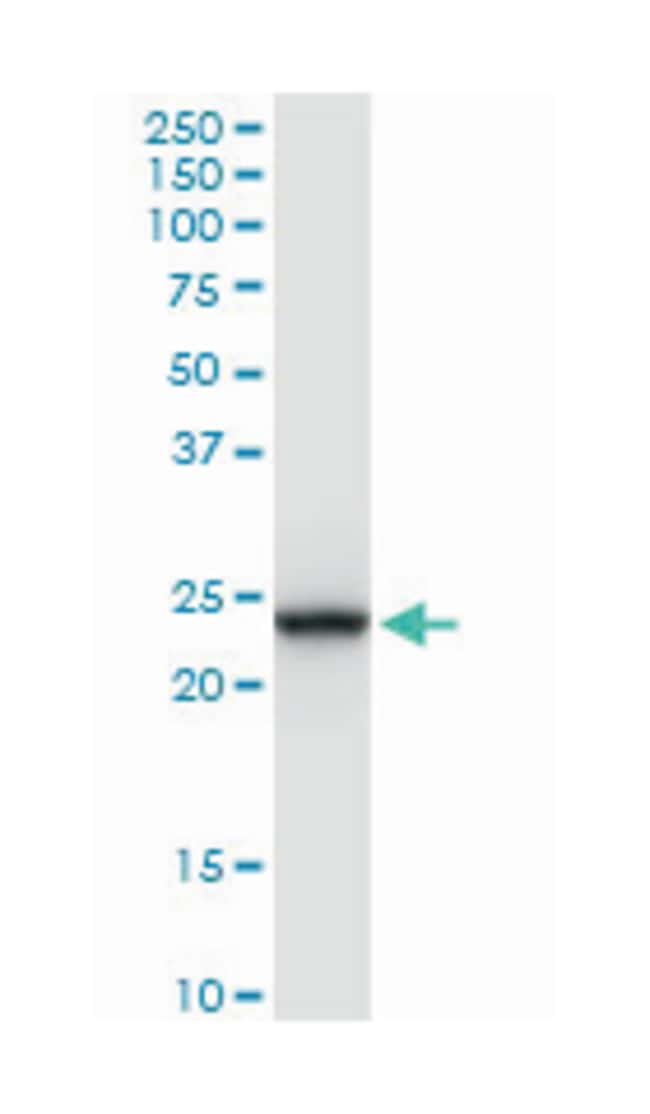
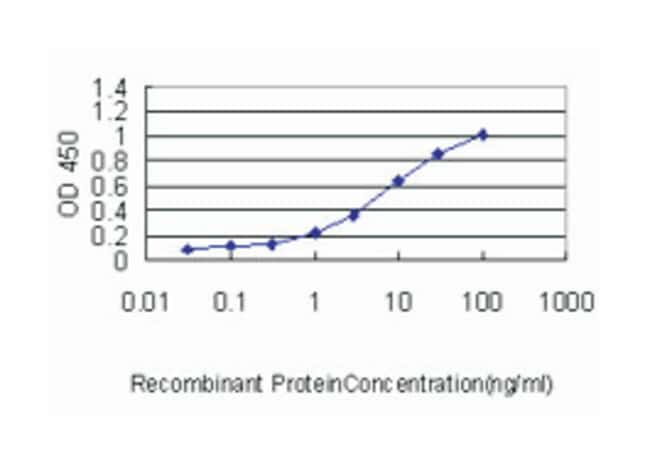
| Applications | ELISA, Western Blot |
| Classification | Monoclonal |
| Clone | 1F9 |
| Conjugate | Unconjugated |
| Description | Mouse monoclonal antibody raised against a full-length recombinant GSTA1. |
| Formulation | PBS with no preservative; pH 7.4 |
| Gene | GSTA1 |
| Gene Accession No. | BC053578.1 |
| Gene Alias | GST2/GSTA1-1/GTH1/MGC131939 |
| Show More |
By clicking Submit, you acknowledge that you may be contacted by Fisher Scientific in regards to the feedback you have provided in this form. We will not share your information for any other purposes. All contact information provided shall also be maintained in accordance with our Privacy Policy.