Learn More

Description
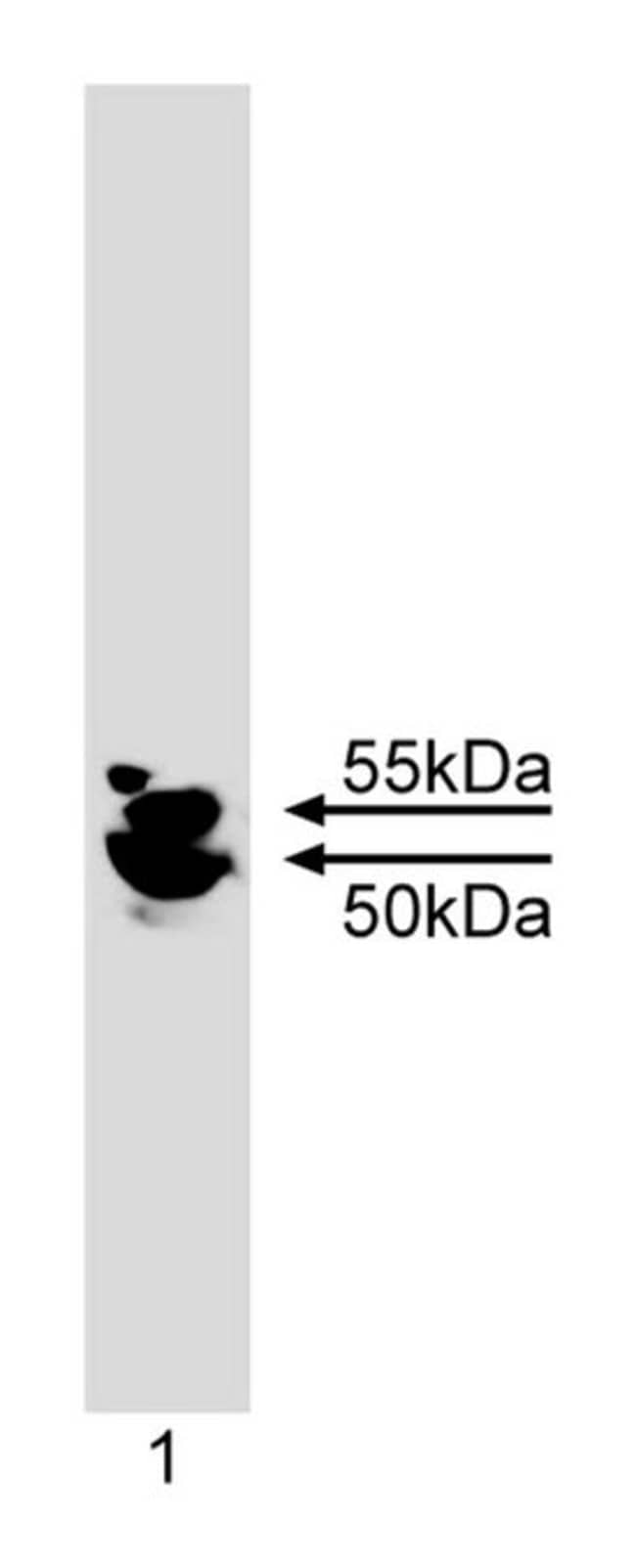
The transcription factor NF-κB, (nuclear factor kappa-B) is controlled by interaction with an inhibitory subunit, IκB, which restricts NF-κB to the cytoplasm. Following stimulation by various cytokines or other stimuli, IκB becomes degraded and NF-κB is released to the nucleus. The release of IκB from NF-κB is a critical step in the activation of NF-κB signal pathways. A group of proteins form an NF-κB regulatory complex, or signalsome. Two members of this complex are a pair of closely related serine/threonine kinases, IKKα and IKKβ (aka IKK-1 and IKK-2), which phosphorylate critical residues of IκB, thus targeting it for subsequent degradation. The IKK complex contains similar amounts of IKKα, IKKβ, as well as two other polypeptides, which are differentially processed forms of a third subunit, IKKγ. IKKα and IKKβ become activated following phosphorylation by upstream kinases, including NF-κB-inducing kinase (NIK) and MEKK1. IKKγ interacts preferentially with IKKβ and is required for the activation of the IKK complex. Thus the IKK kinases play an important role in the activation of NF-κB. IKKγ migrates as a doublet between 50-55kDa in SDS-PAGE.
Immunoprecipitation, Western Blotting

Specifications
Specifications
| Antigen | IKKγ |
| Applications | Western Blot |
| Classification | Monoclonal |
| Clone | C73-764 |
| Concentration | 0.5mg/mL |
| Conjugate | Unconjugated |
| Description | NEMO |
| Formulation | Aqueous buffered solution containing ≤0.09% sodium azide. |
| Host Species | Mouse |
| Immunogen | Recombinant Human IKKγ |
| Show More |
By clicking Submit, you acknowledge that you may be contacted by Fisher Scientific in regards to the feedback you have provided in this form. We will not share your information for any other purposes. All contact information provided shall also be maintained in accordance with our Privacy Policy.