Learn More
Description
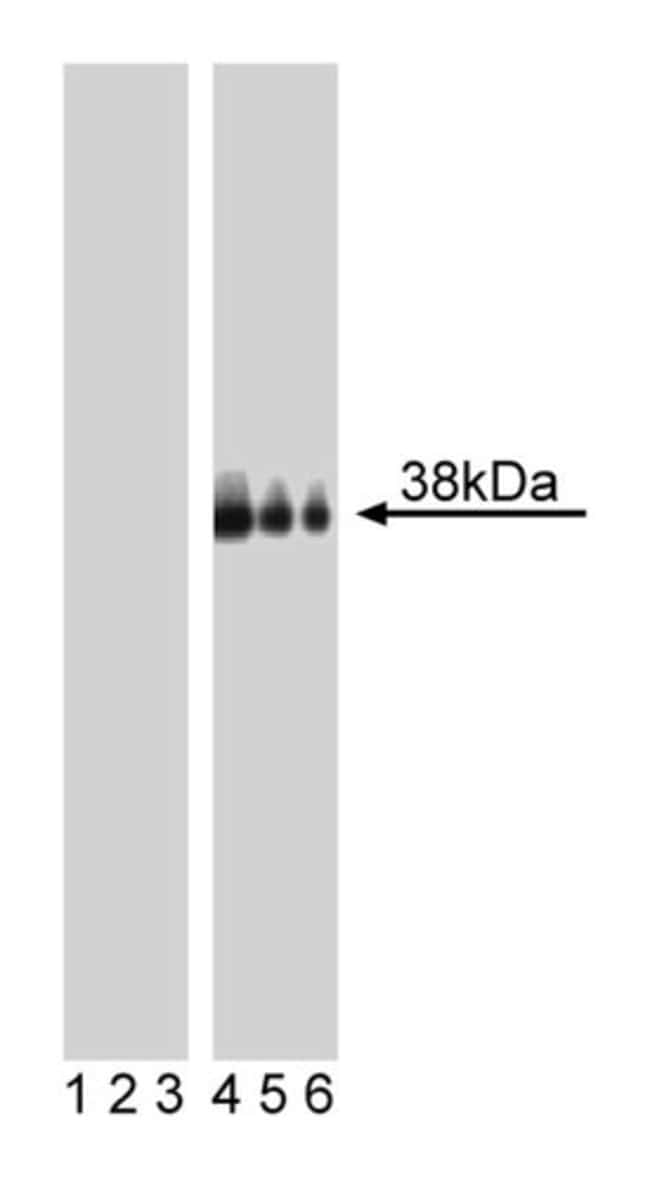
Engagement of the T cell receptor (TCR) induces signal transduction pathways that enhance gene transcription and cellular proliferation and differentiation. TCR ligation results in the recruitment and activation of multiple protein tyrosine kinases (PTKs), including lck, fyn, and ZAP70. Adaptor proteins, such as Grb2 and SLP-76, relay the signal to downstream effector molecules. LAT (linker for activation of T cells) is a substrate of the activated ZAP70 and functions to bridge the activated TCR and its associated PTKs with tyrosine kinase substrates. LAT is expressed as 36- and 38kDa forms that result from post-translational modification, and as a 42kDa form that results from alternative splicing. LAT is an integral membrane protein that is phosphorylated at five tyrosine sites upon TCR ligation. Following phosphorylation, LAT binds a number of important signaling molecules, including Grb2, Vav, PLCγ1, and the p85 subunit of PI3K. Multiple studies have shown that functional LAT is required for T lymphocyte activation and thymocyte development. The J96-1238.58.93 monoclonal antibody recognizes the phosphorylated tyrosine 226 (pY226) of LAT, which is one of the phosphotyrosine sites required for binding Vav, Grb2, and Gads.
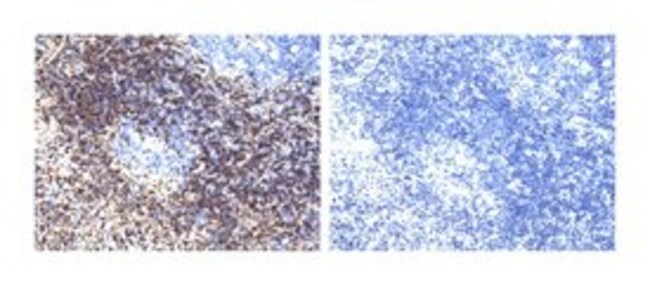
Immunohistochemistry, Western Blotting

Specifications
Specifications
| Antigen | LAT (pY226) |
| Applications | Western Blot |
| Classification | Monoclonal |
| Clone | J96-1238.58.93 |
| Concentration | 0.5mg/mL |
| Conjugate | Unconjugated |
| Formulation | Aqueous buffered solution containing ≤0.09% sodium azide. |
| Host Species | Mouse |
| Immunogen | Phosphorylated Human LAT Peptide |
| Purification Method | Affinity Purified |
| Show More |
By clicking Submit, you acknowledge that you may be contacted by Fisher Scientific in regards to the feedback you have provided in this form. We will not share your information for any other purposes. All contact information provided shall also be maintained in accordance with our Privacy Policy.