Learn More
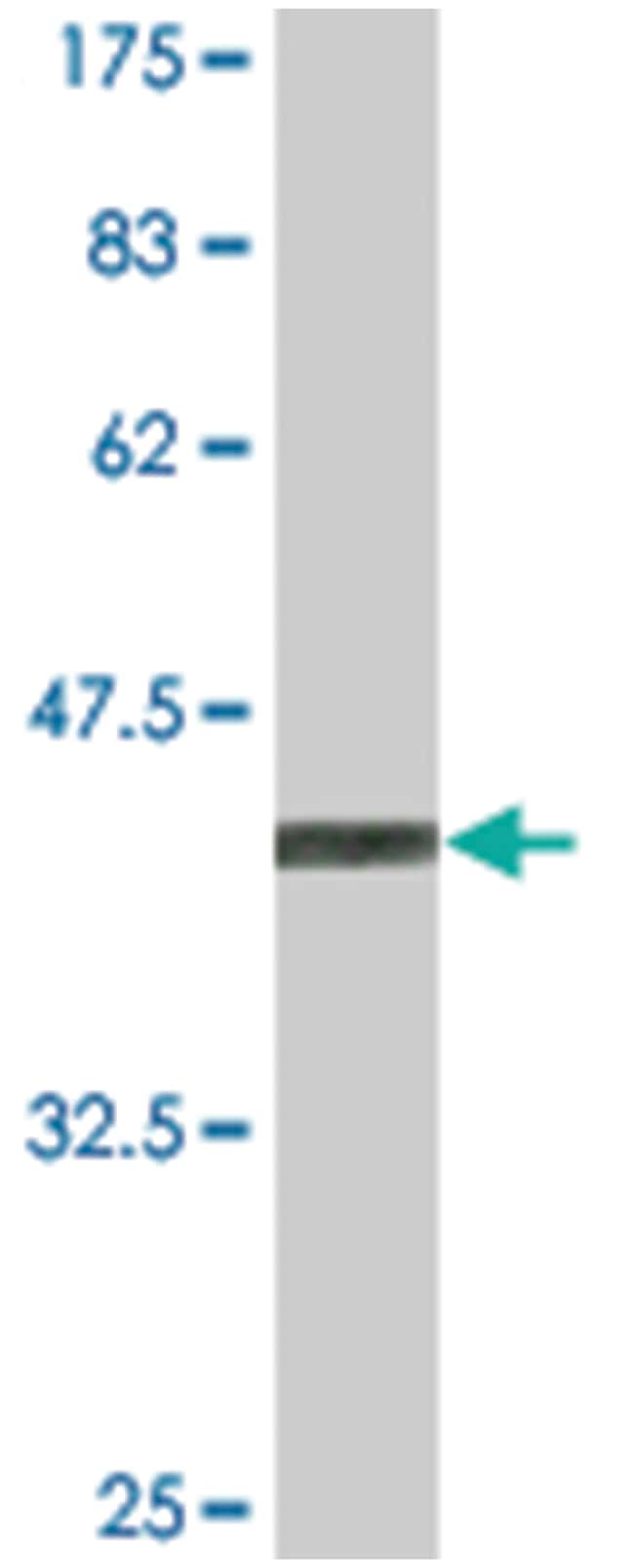
Description
DNA methylation is the major modification of eukaryotic genomes and plays an essential role in mammalian development. Human proteins MECP2, MBD1, MBD2, MBD3, and MBD4 comprise a family of nuclear proteins related by the presence in each of a methyl-CpG binding domain (MBD). Each of these proteins, with the exception of MBD3, is capable of binding specifically to methylated DNA. MECP2, MBD1 and MBD2 can also repress transcription from methylated gene promoters. In contrast to other MBD family members, MECP2 is X-linked and subject to X inactivation. MECP2 is dispensible in stem cells, but is essential for embryonic development. MECP2 gene mutations are the cause of most cases of Rett syndrome, a progressive neurologic developmental disorder and one of the most common causes of mental retardation in females. [provided by RefSeq
Specifications
Specifications
| Antigen | MECP2 |
| Applications | ELISA, Western Blot |
| Classification | Monoclonal |
| Clone | 2E8 |
| Conjugate | Unconjugated |
| Description | Mouse monoclonal antibody raised against a partial recombinant MECP2. |
| Formulation | ascites with no preservative |
| Gene | MECP2 |
| Gene Accession No. | BC011612 |
| Gene Alias | AUTSX3/DKFZp686A24160/MRX16/MRX79/MRXS13/MRXSL/PPMX/RTS/RTT |
| Show More |
By clicking Submit, you acknowledge that you may be contacted by Fisher Scientific in regards to the feedback you have provided in this form. We will not share your information for any other purposes. All contact information provided shall also be maintained in accordance with our Privacy Policy.