Learn More
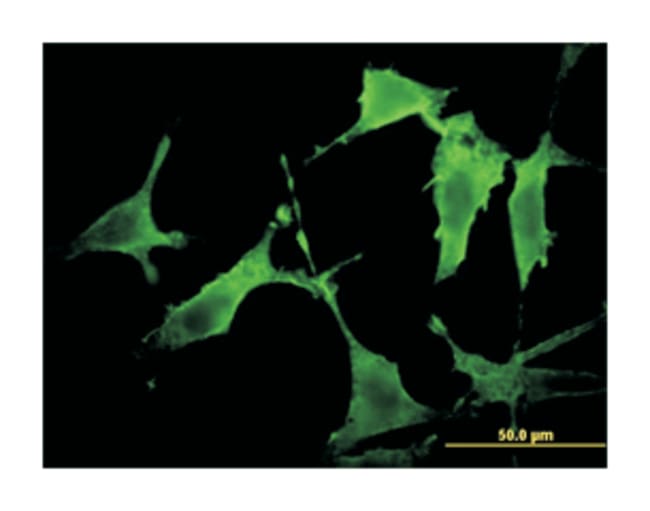
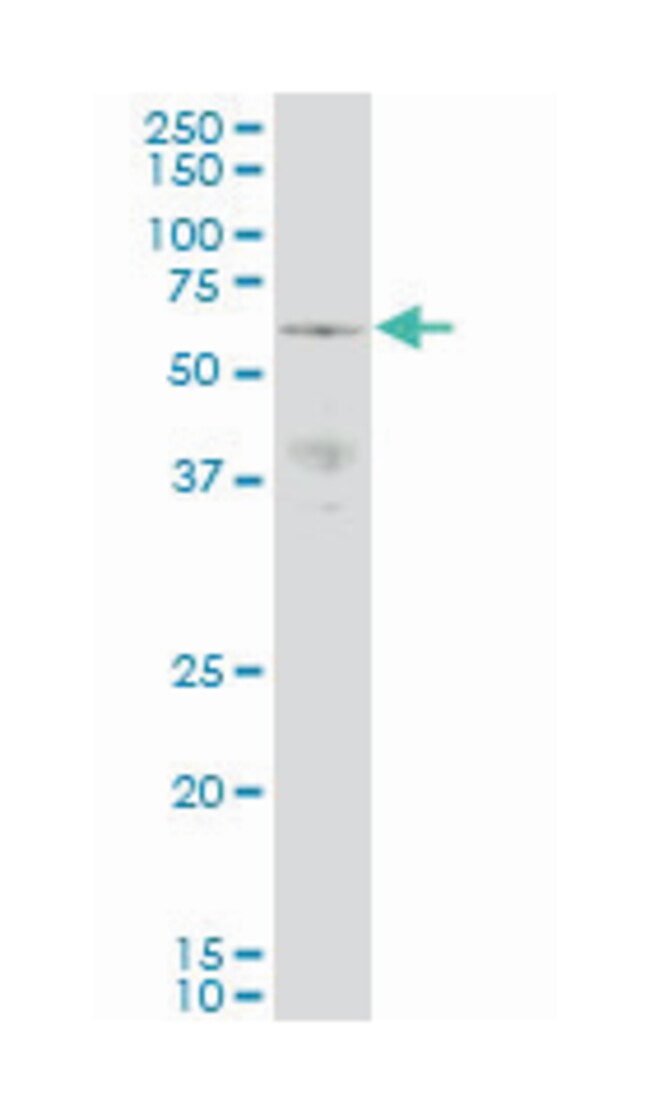
p21 protein (Cdc42/Rac)-activated kinase 3, Mouse, Clone: 1H7, Abnova™
Shop All Abnova Corporation ProductsDescription
PAK proteins are critical effectors that link Rho GTPases to cytoskeleton reorganization and nuclear signaling. PAK proteins, a family of serine/threonine p21-activating kinases, serve as targets for the small GTP binding proteins Cdc42 and RAC and have been implicated in a wide range of biological activities. The protein encoded by this gene forms an activated complex with GTP-bound RAS-like (P21), CDC2 and RAC1 proteins which then catalyzes a variety of targets. This protein may be necessary for dendritic development and for the rapid cytoskeletal reorganization in dendritic spines associated with synaptic plasticity. Defects in this gene are the cause of nonsyndromic mental retardation X-linked type 30 (MRX30), also called X-linked mental retardation type 47 (MRX47). Alternatively spliced transcript variants encoding different isoforms have been identified. [provided by RefSeq
Specifications
Specifications
| Antigen | p21 protein (Cdc42/Rac)-activated kinase 3 |
| Applications | ELISA, Immunofluorescence, Western Blot |
| Classification | Monoclonal |
| Clone | 1H7 |
| Conjugate | Unconjugated |
| Description | Mouse monoclonal antibody raised against a partial recombinant PAK3. |
| Formulation | PBS with no preservative; pH 7.4 |
| Gene | PAK3 |
| Gene Accession No. | NM_002578 |
| Gene Alias | CDKN1A/MRX30/MRX47/OPHN3/PAK3beta/bPAK/hPAK3 |
| Show More |
By clicking Submit, you acknowledge that you may be contacted by Fisher Scientific in regards to the feedback you have provided in this form. We will not share your information for any other purposes. All contact information provided shall also be maintained in accordance with our Privacy Policy.