Learn More
Description
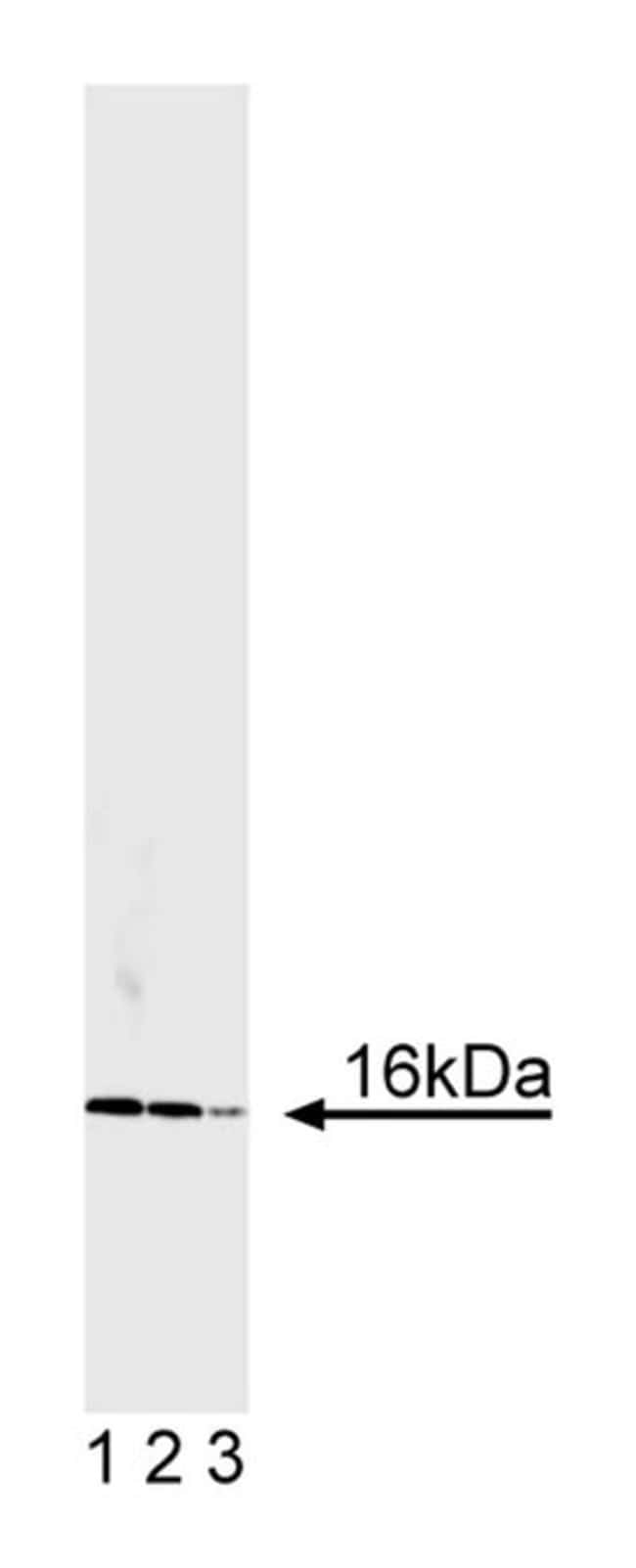
The superoxide free radical O2.- is an intermediate form of molecular oxygen that is produced as a natural by-product of respiration and other biological processes Free radicals like O2.- can lead to the formation of additional reactive oxygen species that, in turn, can cause oxidative damage to DNA, protein, and lipid. The superoxide dismutases provide a defense against the damaging effects of O2.- by converting it to O2 + H2O2 (hydrogen peroxide). Hydrogen peroxide is then normally converted to water by either glutathione peroxidase or catalase. SODs are divided up into three types, and thought to evolve from two independent evolutionary lines: The copper- and zinc-containing SOD, CuZnSOD, is expressed in the cytosol of eukaryotic cells; the manganese-containing SOD, MnSOD, is present in bacteria, in the matrix of bacteria, and in mitochondria; and the iron-containing SOD, FeSOD, is found primarily in bacteria and is also expressed in some plants. All of the SODs catalyze the dismutation of O2.- at approximately the same rates. CuZnSOD lacks amino acid sequence homology with MnSOD and FeSOD, suggesting that it evolved independently from the FeSOD/MnSOD family of enzymes. Mutations have been described in the gene encoding CuZnSOD (SOD1) which reduce the activity and halflife of the enzyme. However, the role of these mutations in pathogenesis remains to be elucidated. Clone G215-1 recognizes human CuZnSOD. The antibody was originally characterized by western blot analysis of cells from transgenic mice expressing human CuZnSOD. Recombinant full-length human CuZnSOD GST fusion protein was used as immunogen.
Host Species: Mouse
Clone: G215-1
Isotype: IgG2a
Species Reactivity: Human
Immunogen: Recombinant Human CuZnSOD GST Fusion Protein
Western Blotting

Specifications
Specifications
| Antigen | SOD |
| Applications | Western Blot |
| Classification | Monoclonal |
| Clone | G215-1 |
| Concentration | 0.5mg/mL |
| Conjugate | Unconjugated |
| Description | CuZnSOD Copper/Zinc-Binding Superoxide Dismutase |
| Formulation | Aqueous buffered solution containing ≤0.09% sodium azide. |
| Host Species | Mouse |
| Immunogen | Recombinant Human CuZnSOD GST Fusion Protein |
| Show More |
For Research Use Only.
By clicking Submit, you acknowledge that you may be contacted by Fisher Scientific in regards to the feedback you have provided in this form. We will not share your information for any other purposes. All contact information provided shall also be maintained in accordance with our Privacy Policy.