Learn More

Description
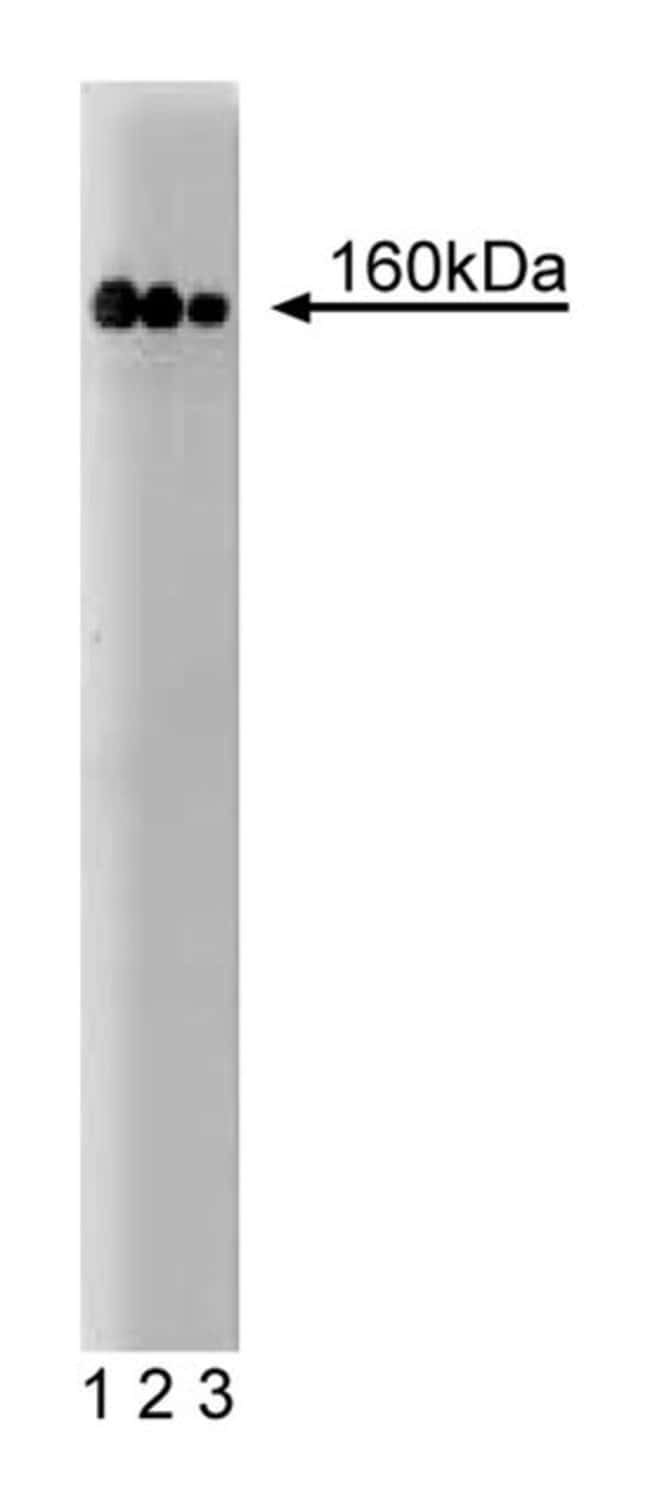
Nuclear receptors (NRs) are a family of ligand-inducible transcription factors that trigger complex events during development, differentiation, and homeostasis. They respond to the binding of steroid and thyroid hormones, retinoids, and vitamins. NRs contain an activation domain AF-1, which constitutively activates transcription. A second activation domain, AF-2, responds to ligand binding. Transcriptional interference/squelching between the AFs of steroid receptors first suggested the existence of Transcriptional Intermediary Factors (TIFs). TIFs mediate AF activity to the transcriptional machinery and chromatin template. TIF2 interacts directly with the ligand binding domains of several NRs in an agonist and AF-2-integrity-dependent manner. It has autonomous activation function, relieves interference between NRs, and has been shown to enhance AF-2 activity. TIF2 contains an NR interaction domain (NID) and two autonomous activation functions (AD1 and AD2). AD1 is identical to the TIF2 CBP interaction domain (CID). Thus, it is thought that TIF2 links NR AF2 activity and CBP via AD1 and functions as a transcriptional mediator through unknown CBP-independent mechanisms via AD2.
Immunofluorescence, Western Blotting

Specifications
Specifications
| Antigen | TIF2 |
| Applications | Western Blot |
| Classification | Monoclonal |
| Clone | 29 |
| Concentration | 250μg/mL |
| Conjugate | Unconjugated |
| Description | Transcriptional Intermediary Factor-2 |
| Formulation | Aqueous buffered solution containing BSA, glycerol, and ≤0.09% sodium azide. |
| Host Species | Mouse |
| Immunogen | Human TIF2 aa. 959-1067 |
| Show More |
For Research Use Only.
By clicking Submit, you acknowledge that you may be contacted by Fisher Scientific in regards to the feedback you have provided in this form. We will not share your information for any other purposes. All contact information provided shall also be maintained in accordance with our Privacy Policy.