Learn More

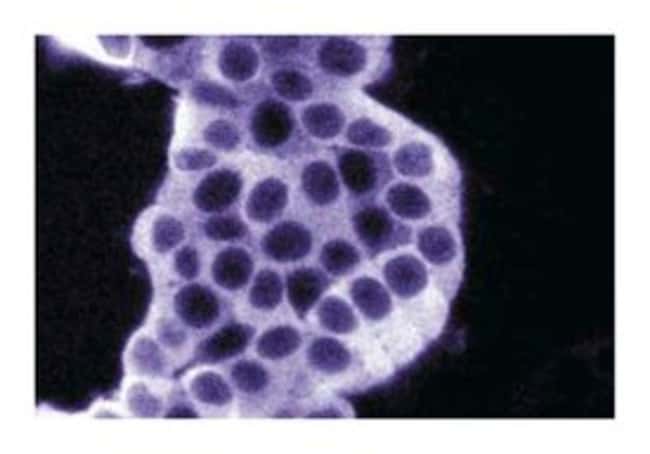
Description
Dopamine and its metabolic products norepinephrine and epinephrine are catecholamine neurotransmitters whose function is essential for the execution of normal neural processes in the CNS and PNS. Tyrosine hydroxylase (TH) is a non-heme iron, tetrahydrobiopterin-dependent enzyme that catalzyes the conversion of tyrosine to L-dihydroxyphenylalanine (L-DOPA). This is the rate-limiting step in the biosynthesis of catecholamines. Both the development of Parkinson's disease and other neurodegenerative diseases result from loss of the ability to synthesize catecholamines. Decreases in the activity of TH have been implicated in these diseases. Nitration of TH at Tyrosine 423 has been associated with temporary loss of enzymatic activity, and TH nitration occurs in response to the Parkinsonian toxin MPTP, and following exposure to peroxynitrite. These findings implicate nitration as a potential mode of down-regulation of TH activity during neurodegenerative disease. Thus, TH is an essential enzyme for catecholamine synthesis, which is required for normal neuronal function.
Western Blotting

Specifications
Specifications
| Antigen | Tyrosine Hydroxylase |
| Applications | Western Blot |
| Classification | Monoclonal |
| Clone | 45 |
| Concentration | 250μg/mL |
| Conjugate | Unconjugated |
| Formulation | Aqueous buffered solution containing BSA, glycerol, and ≤0.09% sodium azide. |
| Host Species | Mouse |
| Immunogen | Rat Tyrosine Hydroxylase aa. 18-133 |
| Purification Method | Affinity Purified |
| Show More |
By clicking Submit, you acknowledge that you may be contacted by Fisher Scientific in regards to the feedback you have provided in this form. We will not share your information for any other purposes. All contact information provided shall also be maintained in accordance with our Privacy Policy.