Promotional price valid on web orders only. Your contract pricing may differ. Interested in signing up for a dedicated account number?
Learn More
Learn More
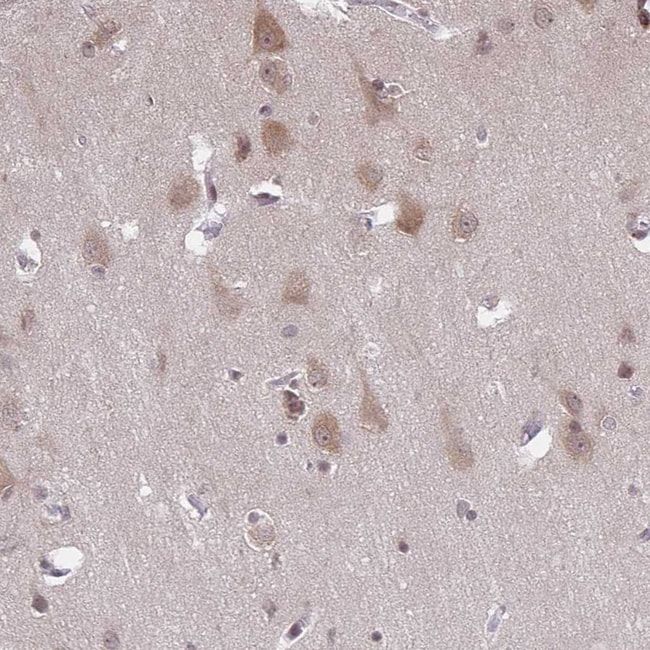
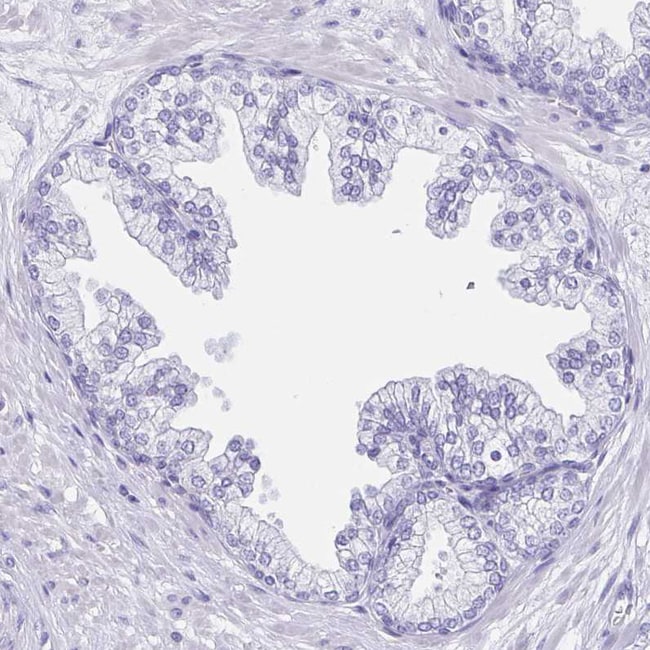
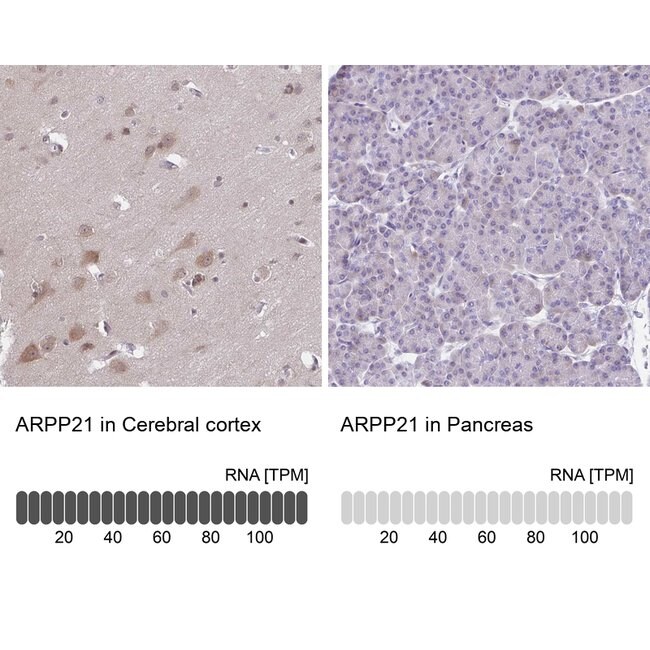
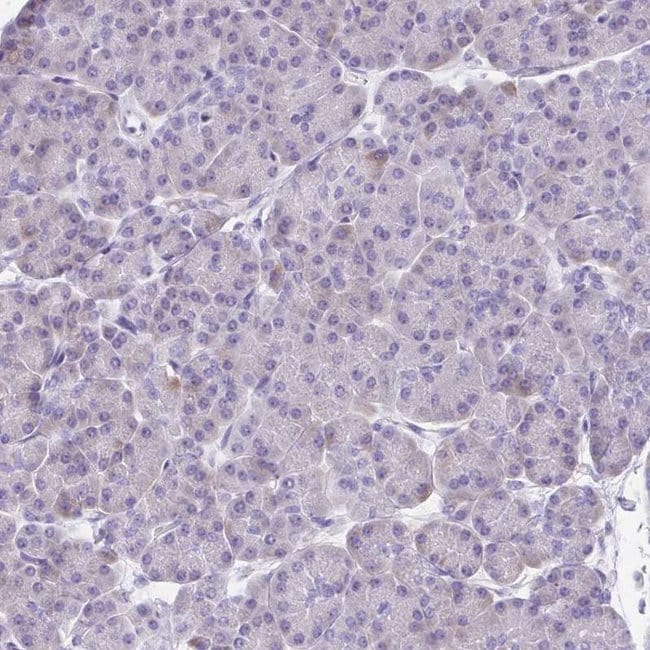
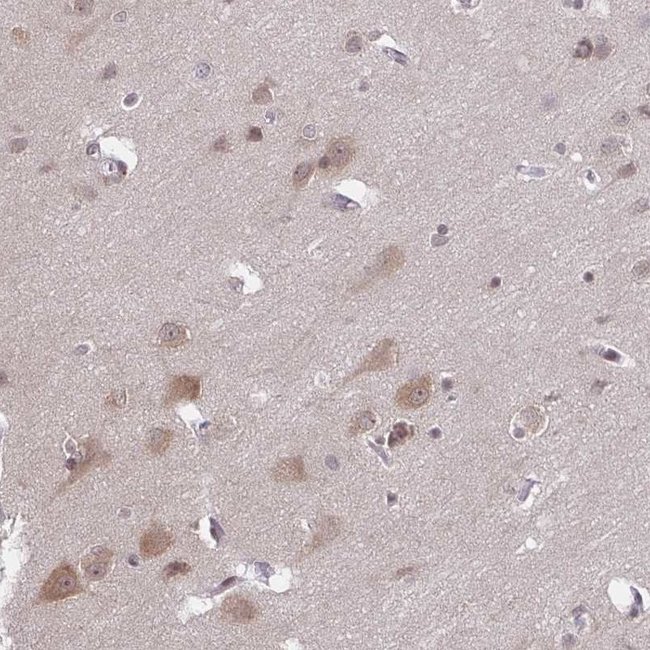
Invitrogen™ ARPP21 Polyclonal Antibody

Description
Immunogen sequence: EQGDLNQAIA EEGGTEQETA TPENGIVKSE SLDEEEKLEL QRRLEAQNQE RRKSKSGAGK GKLTRSLAVC EESSARPGGE SLQDQESIHL QLSSFSSLQE EDKSRKDDSE REKEKDKNKD KTSEKPKIRM LSKDCSQEYT Highest antigen sequence identity to the following orthologs: Mouse - 87%, Rat - 88%.
The autosomal dominant cerebellar ataxias (ADCA) are a heterogeneous group of neurodegenerative disorders characterized by progressive degeneration of the cerebellum, brain stem and spinal cord. Clinically, ADCA has been divided into three groups: ADCA types I-III. ADCAI is genetically heterogeneous, with five genetic loci, designated spinocerebellar ataxia (SCA) 1, 2, 3, 4 and 6, being assigned to five different chromosomes. ADCAII, which always presents with retinal degeneration (SCA7), and ADCAIII often referred to as the 'pure' cerebellar syndrome (SCA5), are most likely homogeneous disorders. Several SCA genes have been cloned and shown to contain CAG repeats in their coding regions. ADCA is caused by the expansion of the CAG repeats, producing an elongated polyglutamine tract in the corresponding protein. The expanded repeats are variable in size and unstable, usually increasing in size when transmitted to successive generations. The function of the ataxins is not known. This locus has been mapped to chromosome 6, and it has been determined that the diseased allele contains 41-81 CAG repeats, compared to 6-39 in the normal allele, and is associated with spinocerebellar ataxia type 1 (SCA1). At least two transcript variants encoding the same protein have been found for this gene.

Specifications
Specifications
| Antigen | ARPP21 |
| Applications | Immunohistochemistry (Paraffin) |
| Classification | Polyclonal |
| Concentration | 0.40 mg/mL |
| Conjugate | Unconjugated |
| Formulation | PBS with 40% glycerol and 0.02% sodium azide; pH 7.2 |
| Gene | ARPP21 |
| Gene Accession No. | Q9UBL0 |
| Gene Alias | 0710001E13Rik; AI853636; ARPP21; Arpp-21; cAMP regulated phosphoprotein 21; cAMP regulated phosphoprotein 21kDa; cAMP-regulated phosphoprotein (21 kDa); cAMP-regulated phosphoprotein 21; cyclic AMP-regulated phosphoprotein 21; cyclic AMP-regulated phosphoprotein, 21; cyclic AMP-regulated phosphoprotein, 21 kD; D9Bwg1012e; Ppp1r1c; Ppp1r1cl; protein phosphatase 1, regulatory (inhibitory subunit 1C); protein phosphatase 1, regulatory (inhibitory) subunit 1C; protein phosphatase 1, regulatory subunit 1C; R3H domain containing 3; R3HDM3; RCS; Regulator of calmodulin signaling; RGD1307208; RGD1307215; TARPP; thymocyte ARPP; thymocyte cAMP-regulated phosphoprotein |
| Gene Symbols | ARPP21 |
| Show More |
Product Title
By clicking Submit, you acknowledge that you may be contacted by Fisher Scientific in regards to the feedback you have provided in this form. We will not share your information for any other purposes. All contact information provided shall also be maintained in accordance with our Privacy Policy.
Spot an opportunity for improvement?