Promotional price valid on web orders only. Your contract pricing may differ. Interested in signing up for a dedicated account number?
Learn More
Learn More
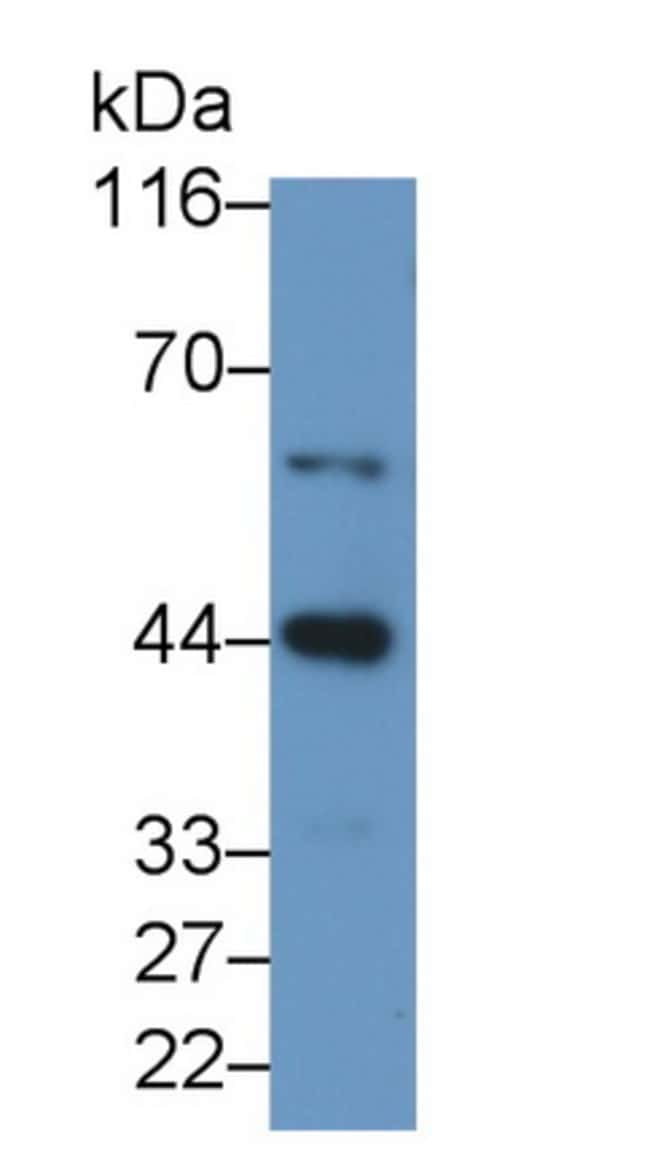
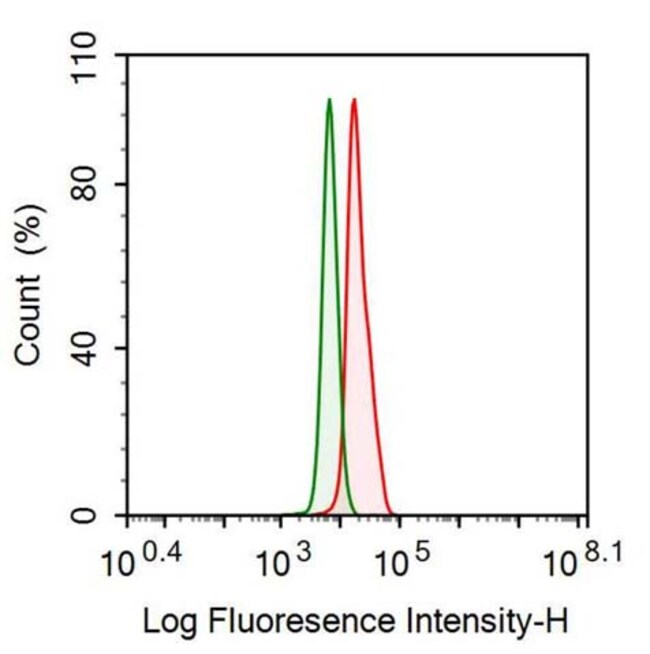
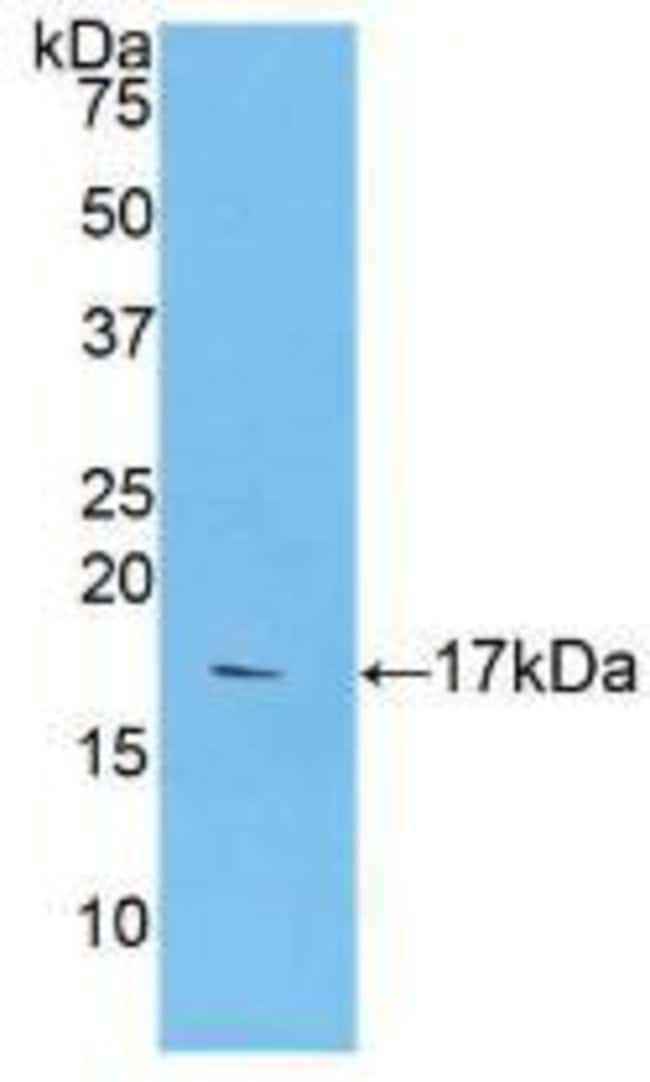
Invitrogen™ CASP9 Polyclonal Antibody
Description
CASP9 Polyclonal Antibody for Western Blot, Flow
Caspase 9 (ICE-like apoptotic protease 6, ICE LAP6, apoptotic protease Mch6, apoptotic protease activating factor 3, Apaf3) is a member of the peptidase family C14 that contains a CARD domain. Caspases are cysteine proteases, expressed as inactive precursors, that mediate apoptosis by proteolysis of specific substrates. Caspase 9 is active as a heterotetramer, is present in the cytosol and, upon activation, translocates to the mitochondria. Caspase 9 is involved in the caspase activation cascade responsible for apoptosis execution and cleaves/activates Caspase 3 and Caspase 6. Further, Caspase 9 is involved in the activation cascade of caspases responsible for apoptosis execution. Binding of caspase-9 to Apaf- 1 leads to activation of the protease which then cleaves and activates caspase-3. Caspase 9 promotes DNA damage-induced apoptosis in a ABL1/c-Abl-dependent manner, and proteolytically cleaves poly(ADP- ribose) polymerase (PARP). Caspase 9 is expressed in variety of human tissues. An isoform of rat Caspase-9 has been identified in which the C terminus of full-length Caspase-9 is replaced with an alternative peptide sequence. Mutations in Caspase 9 affect brain development. In mice, insufficient Caspase 9 have resulted in abnormal cerebrum development and neuron development. In humans, dysfunctional Caspase 9 expression vary from tissue to tissue. Low levels of Caspase 9 may play a role in cancer development and neurodegenerative diseases such as Alzheimer's Disease (AD).

Specifications
Specifications
| Antigen | CASP9 |
| Applications | Flow Cytometry, Western Blot |
| Classification | Polyclonal |
| Concentration | 0.5 mg/mL |
| Conjugate | Unconjugated |
| Formulation | PBS with 50% glycerol and 0.05% ProClin 300; pH 7.4 |
| Gene | CASP9 |
| Gene Accession No. | P55211 |
| Gene Alias | 25 kDa caspase-9 dominant negative protein; AI115399; APAF3; APAF-3; apoptotic protease activating factor 3; apoptotic protease MCH-6; Apoptotic protease-activating factor 3; AW493809; cas9; CASP 9; CASP9; CASP-9; Casp9_v1; Casp-9-CTD; caspase 9; caspase 9, apoptosis-related cysteine peptidase; caspase 9, apoptosis-related cysteine protease; Caspase9; caspase-9; caspase-9 dominant negative form; Caspase-9 precursor; Caspase-9 subunit p10; Caspase-9 subunit p35; CASPASE-9c; caspase-9-carboxyl-terminal divergent; CTD; Ice-Lap6; ICE-like apoptotic protease 6; Mch6; OTTHUMP00000002324; PPP1R56; protein phosphatase 1, regulatory subunit 56; RNCASP9; RP11-265F14.3 |
| Gene Symbols | CASP9 |
| Show More |
Safety and Handling
WARNING: Cancer - www.P65Warnings.ca.gov
Product Title
By clicking Submit, you acknowledge that you may be contacted by Fisher Scientific in regards to the feedback you have provided in this form. We will not share your information for any other purposes. All contact information provided shall also be maintained in accordance with our Privacy Policy.
Spot an opportunity for improvement?