Learn More
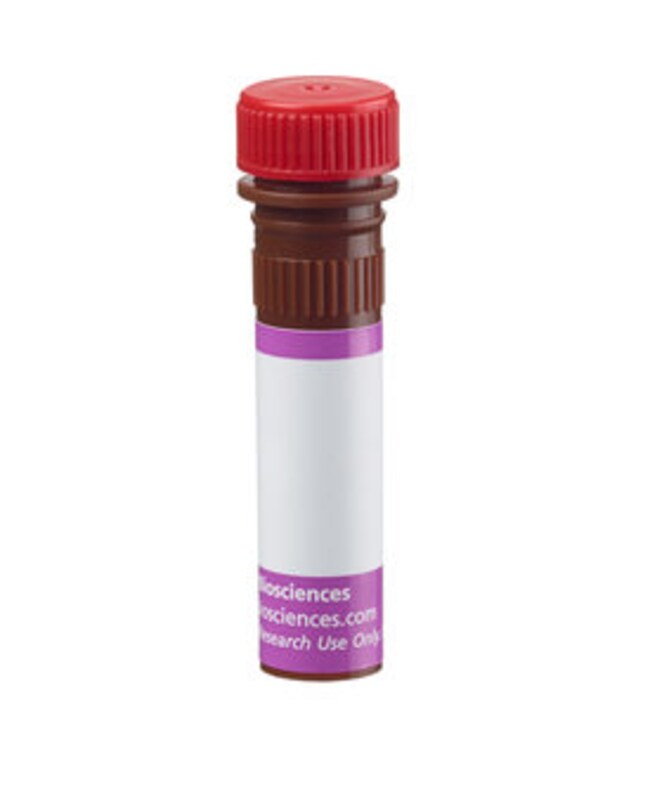
CD326 Mouse anti-Human, Brilliant Violet 711, Clone: EBA-1, BD Optibuild™
Shop All BD Biosciences ProductsDescription
The EBA-1 monoclonal antibody specifically binds to human CD326. CD326 is an approximately 40 kDa type 1 transmembrane glycoprotein and adhesion molecule that mediates intercellular adhesive interactions. CD326 is also known as epithelial adhesion molecule (EpCAM), epithelial glycoprotein 2 (EGP-2), and epithelial surface antigen (ESA). The epithelial cells present in non-squamous epithelia and tumors derived from such cells show EpCAM expression. The normal epithelial cells reactive with anti-EpCAM antibodies are those present in the (lower) respiratory tract; the (lower) gastrointestinal tract; tubules in the kidney; the surface epithelium of the ovary; the exocrine and endocrine pancreas; secondary germ cells of telogenic hair follicles; and secretory tubules of sweat glands in the skin, whereas the epidermis is negative. In addition, all epithelial cells in the thyroid and epithelial cells in the thymus show EpCAM expression, while the outer cortex and Hassall’s corpuscles have low expression. In the liver, only the bile ducts appear to be positive with anti-EpCAM antibodies. Non-squamous- carcinoma cells have high EpCAM expression; some squamous carcinoma cells. Tumors arising from non-epithelial cells, such as lymphoma, mesothelioma, neuroblastoma, and melanoma, do not express EpCAM.

Specifications
Specifications
| Antigen | CD326 |
| Classification | Monoclonal |
| Clone | EBA-1 |
| Concentration | 0.2mg/mL |
| Conjugate | Brilliant Violet 711 |
| Formulation | Aqueous buffered solution containing ≤0.09% sodium azide. |
| Gene Alias | EPCAM, EGP, ESA, GA733-2, hEGP-2, KSA, M4S1, MIC18, MK-1, TACSTD1, TROP1 |
| Host Species | Mouse |
| Immunogen | Breast carcinoma–associated mucin BCA-225 |
| Purification Method | Affinity Purified |
| Show More |
By clicking Submit, you acknowledge that you may be contacted by Fisher Scientific in regards to the feedback you have provided in this form. We will not share your information for any other purposes. All contact information provided shall also be maintained in accordance with our Privacy Policy.