Promotional price valid on web orders only. Your contract pricing may differ. Interested in signing up for a dedicated account number?
Learn More
Learn More
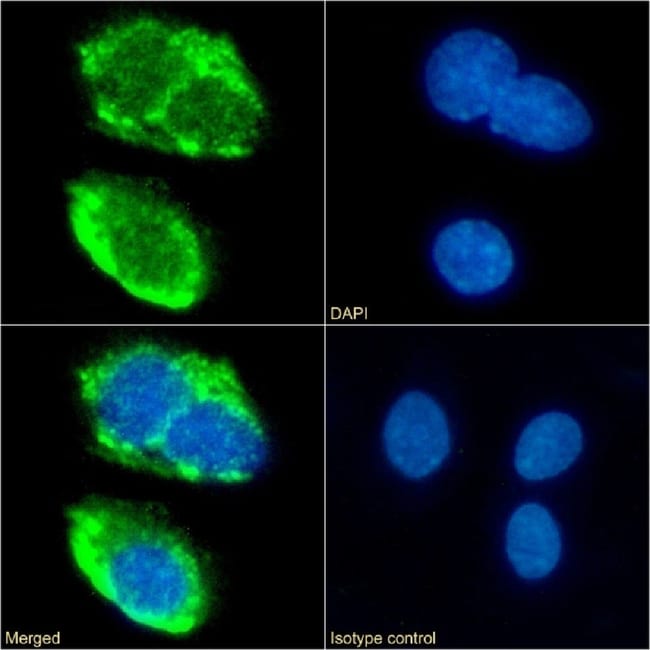
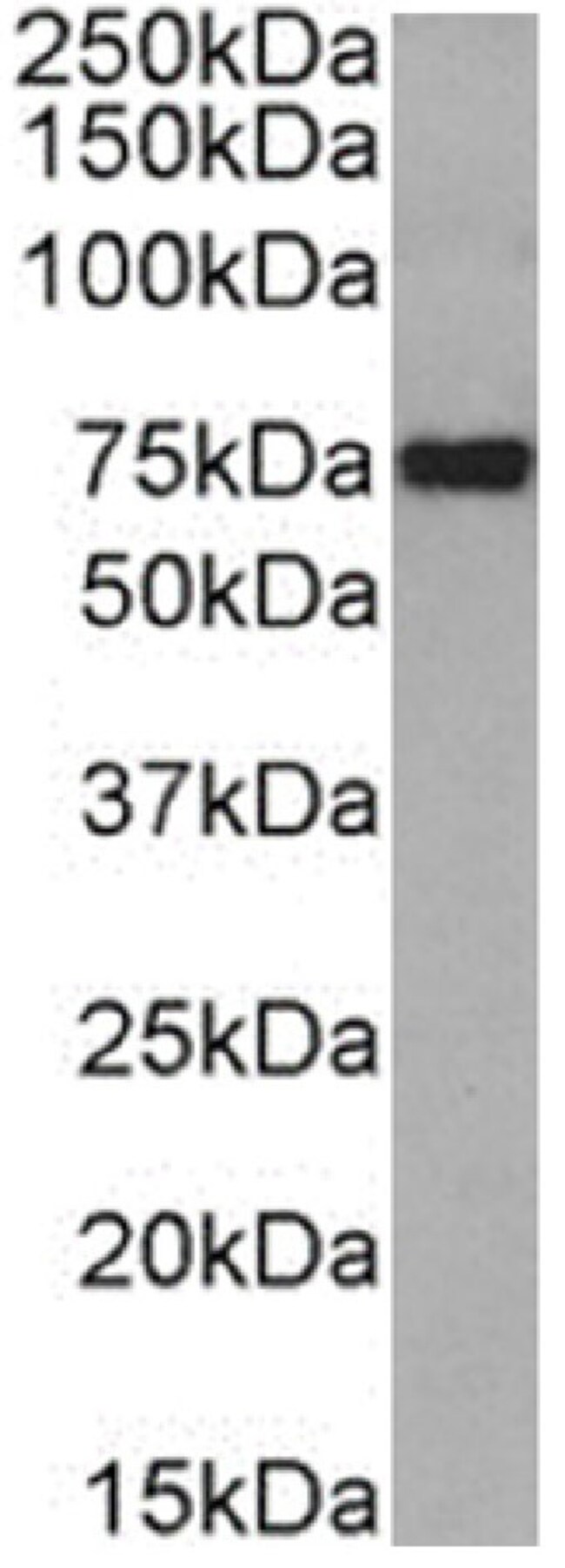
Invitrogen™ CD36 Chimeric Recombinant Rabbit Monoclonal Antibody (185-1G2 (B467))

Description
Specificity: This antibody is specific against CD36. The antibody recognises an epitope between amino acids 155-183. CD36 is a receptor for different ligands such as phospholipids, cholesterol ester, lipoproteins, phosphatidylserine and apoptotic cells. It acts as a receptor for hepatitis C virus in hepatocytes and appears to facilitate its cell entry as well as mediates uptake of M. fortuitum, E. coli and S. aureus.
CD36, also known as scavenger receptor class B member 3, is a protein that is expressed on the surface of various cell types, including macrophages, platelets, and adipocytes. It plays a role in lipid metabolism, inflammation, and atherosclerosis, and is involved in the recognition and uptake of various ligands such as oxidized low-density lipoproteins, long-chain fatty acids, and apoptotic cells. CD36 is also implicated in the pathogenesis of malaria. The protein encoded by this gene serves as a receptor for thrombospondin in platelets and various cell lines, and is the fourth major glycoprotein of the platelet surface. It binds to collagen, thrombospondin, anionic phospholipids, and oxidized LDL, and directly mediates cytoadherence of Plasmodium falciparum parasitized erythrocytes. Mutations in this gene cause platelet glycoprotein deficiency. Multiple alternatively spliced transcript variants have been found for this gene. Diseases associated with CD36 include Platelet Glycoprotein IV Deficiency and Coronary Heart Disease 7.

Specifications
Specifications
| Antigen | CD36 Chimeric |
| Applications | Flow Cytometry, Inhibition Assays, Immunohistochemistry, Immunoprecipitation, Western Blot, Immunocytochemistry |
| Classification | Recombinant Monoclonal |
| Clone | 185-1G2 (B467) |
| Concentration | 1 mg/mL |
| Conjugate | Unconjugated |
| Formulation | PBS with 0.02% ProClin 300 |
| Gene | CD36 |
| Gene Accession No. | P16671 |
| Gene Alias | adipocyte membrane protein; BDPLT10; Cd36; CD36 antigen; CD36 antigen (collagen type I receptor, thrombospondin receptor); CD36 molecule; CD36 molecule (thrombospondin receptor); CD36 protein; CHDS7; cluster determinant 36; collagen type I receptor thrombospondin receptor; collagen type I receptor, thrombospondin receptor; FAT; FAT/CD36; fatty acid translocase; fatty acid translocase/CD36; fatty acid transport protein; glycoprotein IIIb; GP3B; GP4; GPIIIB; GPIV; I79_011940; Leukocyte differentiation antigen CD36; PAS IV; PAS4; PAS-4; PAS-4 protein; PASIV; Platelet collagen receptor; Platelet glycoprotein 4; platelet glycoprotein IV; Scarb3; scavenger receptor class B, member 3; SR-B3; Thrombospondin receptor |
| Show More |
Product Title
By clicking Submit, you acknowledge that you may be contacted by Fisher Scientific in regards to the feedback you have provided in this form. We will not share your information for any other purposes. All contact information provided shall also be maintained in accordance with our Privacy Policy.
Spot an opportunity for improvement?