Learn More
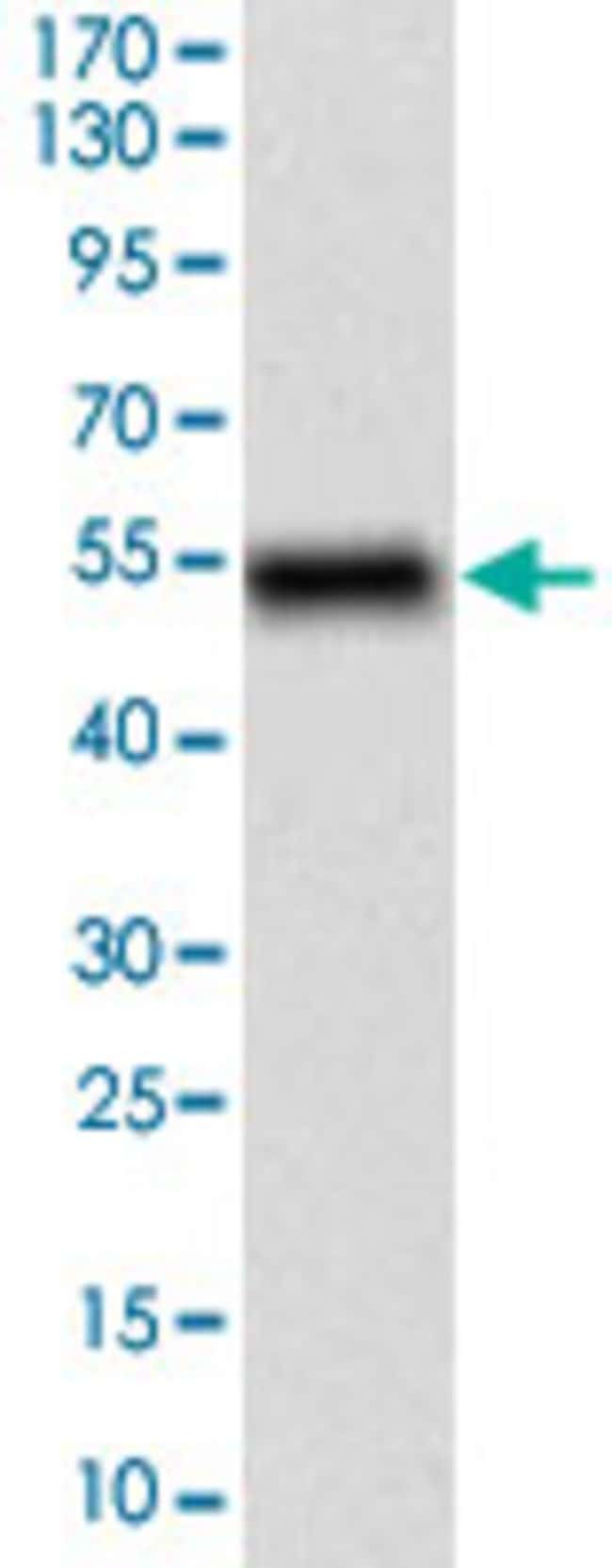
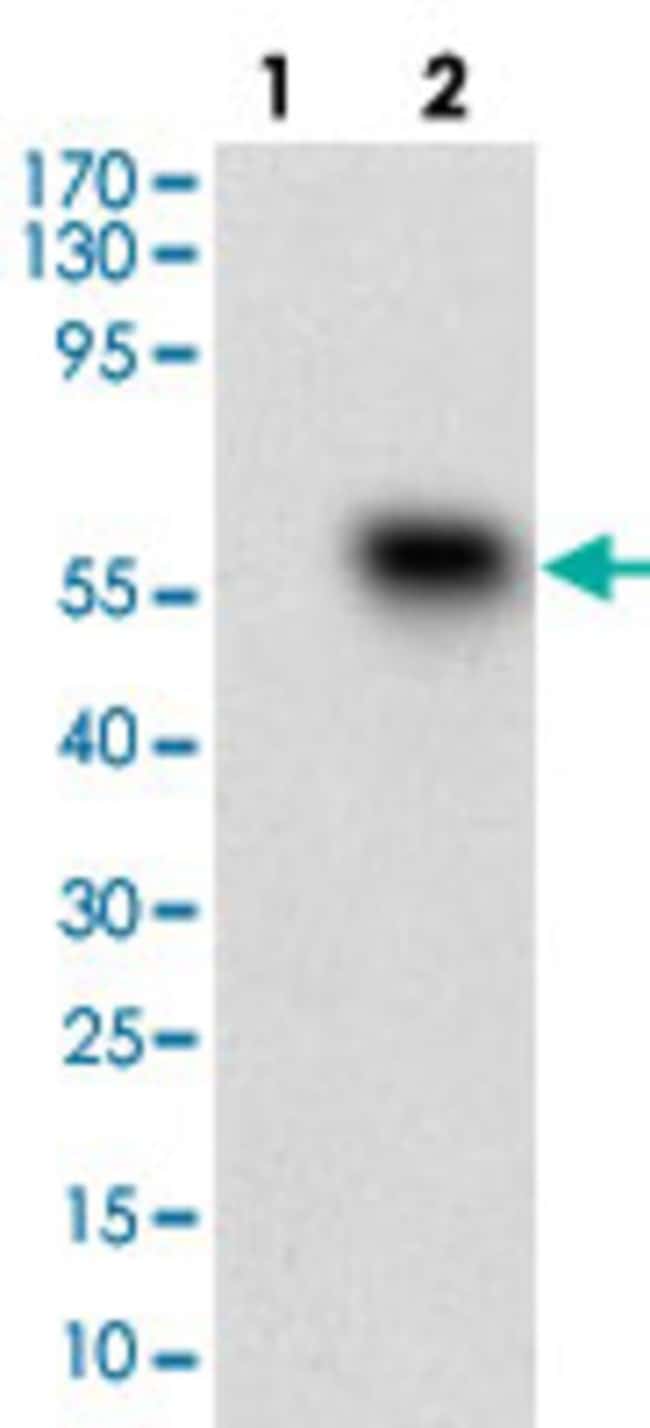
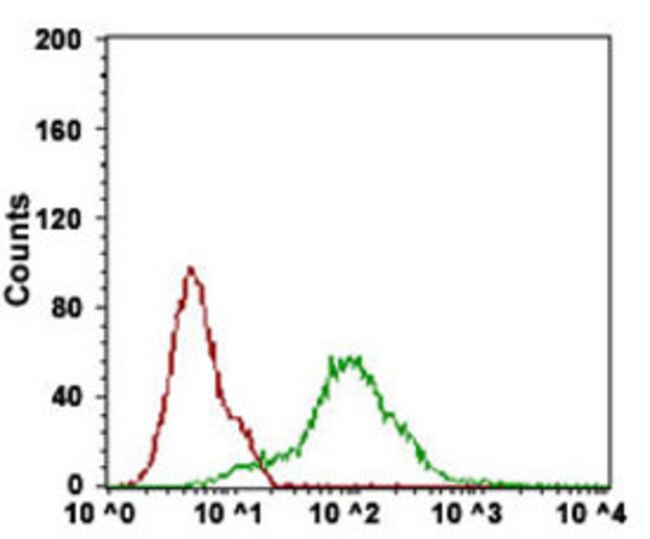
Description
This gene encodes a 110-kD transmembrane glycoprotein that is highly expressed by human monocytes and tissue macrophages. It is a member of the lysosomal/endosomal-associated membrane glycoprotein (LAMP) family. The protein primarily localizes to lysosomes and endosomes with a smaller fraction circulating to the cell surface. It is a type I integral membrane protein with a heavily glycosylated extracellular domain and binds to tissue- and organ-specific lectins or selectins. The protein is also a member of the scavenger receptor family. Scavenger receptors typically function to clear cellular debris, promote phagocytosis, and mediate the recruitment and activation of macrophages. Alternative splicing results in multiple transcripts encoding different isoforms. [provided by RefSeq]
Specifications
Specifications
| Antigen | CD68 |
| Applications | ELISA, Flow Cytometry, Immunofluorescence, Immunohistochemistry (PFA fixed), Western Blot |
| Classification | Monoclonal |
| Clone | 3F7D3 |
| Conjugate | Unconjugated |
| Description | Mouse monoclonal antibody raised against partial recombinant human CD68. |
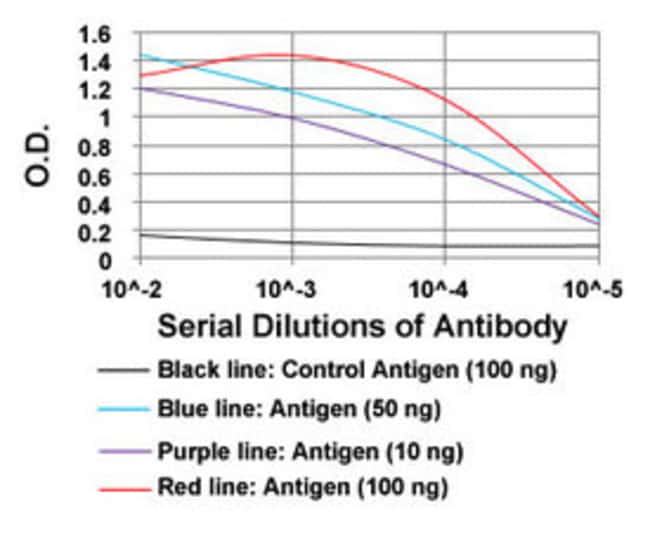
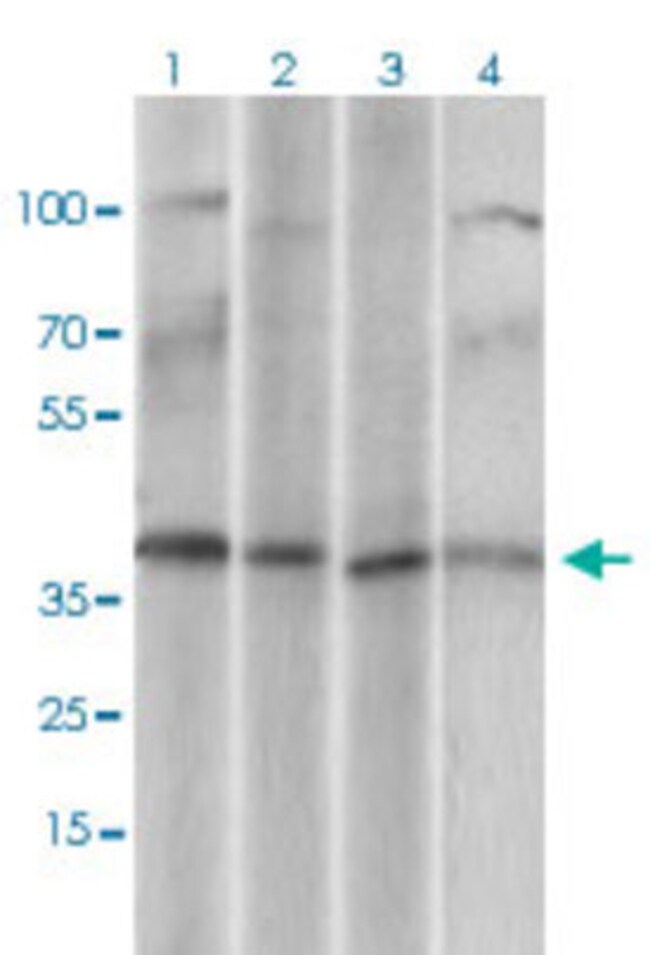
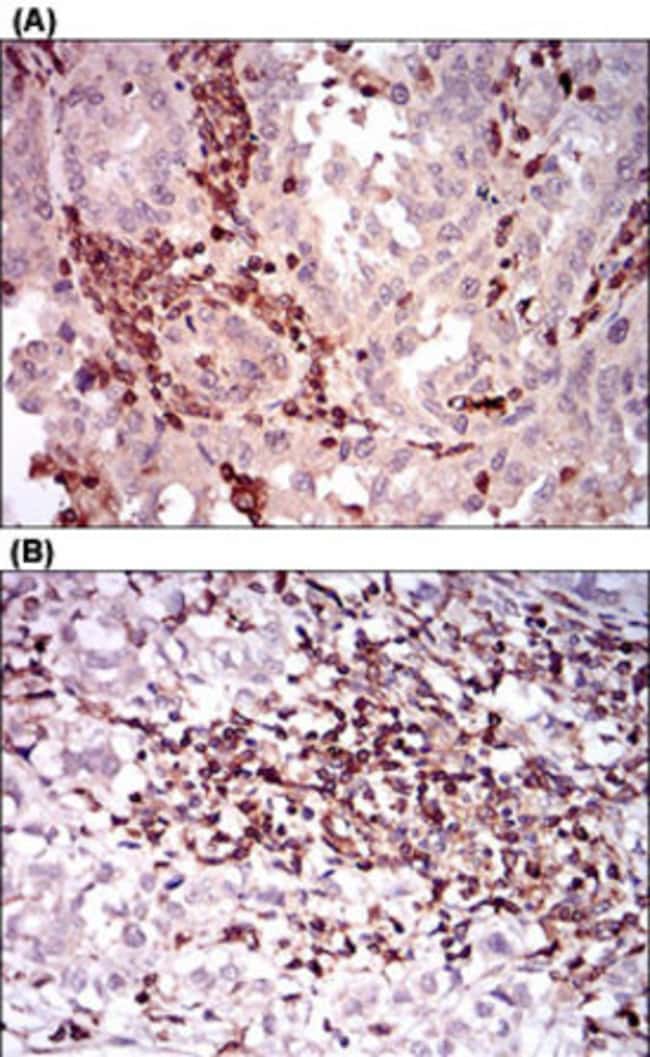
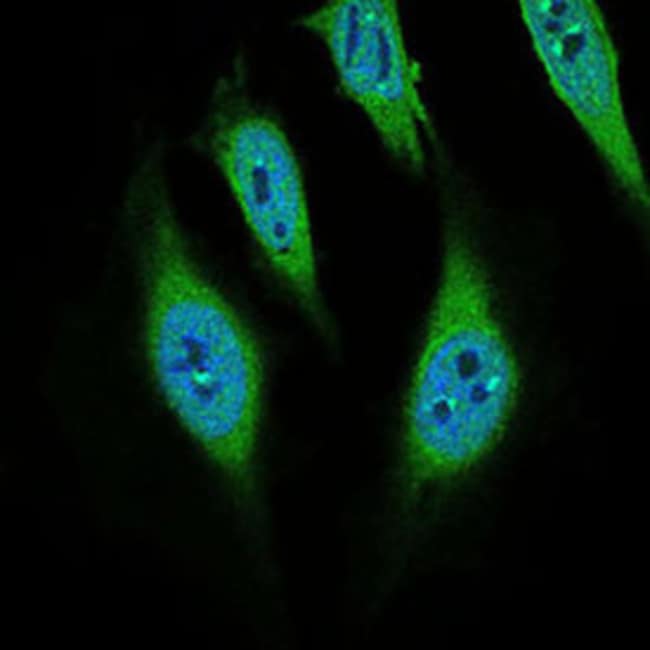
| Dilution | ELISA (1:10000) Flow Cytometry (1:200-1:400) Immunofluorescence (1:200-1:1000) Immunohistochemistry (1:200-1:1000) Western Blot (1:500-1:2000) The optimal working dilution should be determined by the end user. |
| Formulation | In PBS (0.05% sodium azide) |
| Gene Alias | DKFZp686M18236/GP110/SCARD1 |
| Gene Symbols | CD68 |
| Show More |
By clicking Submit, you acknowledge that you may be contacted by Fisher Scientific in regards to the feedback you have provided in this form. We will not share your information for any other purposes. All contact information provided shall also be maintained in accordance with our Privacy Policy.