Promotional price valid on web orders only. Your contract pricing may differ. Interested in signing up for a dedicated account number?
Learn More
Learn More


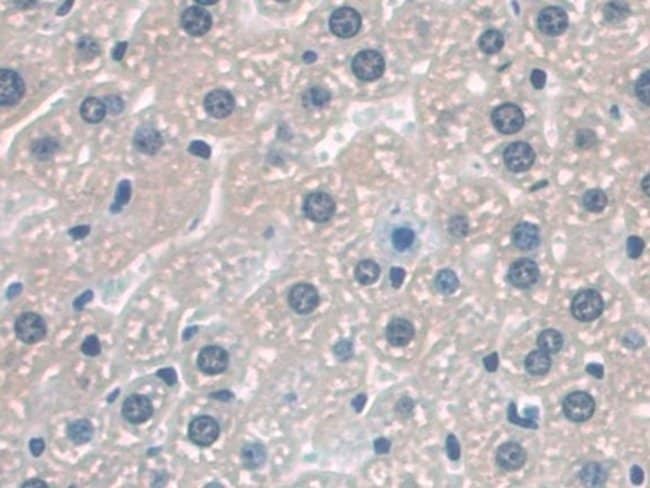


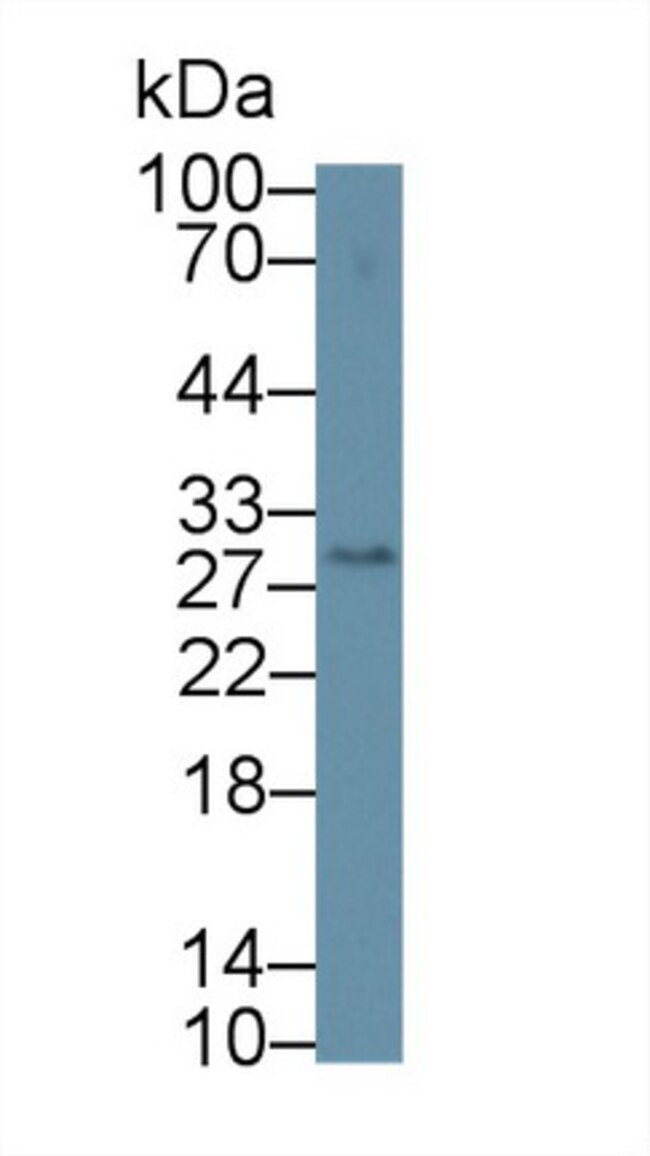
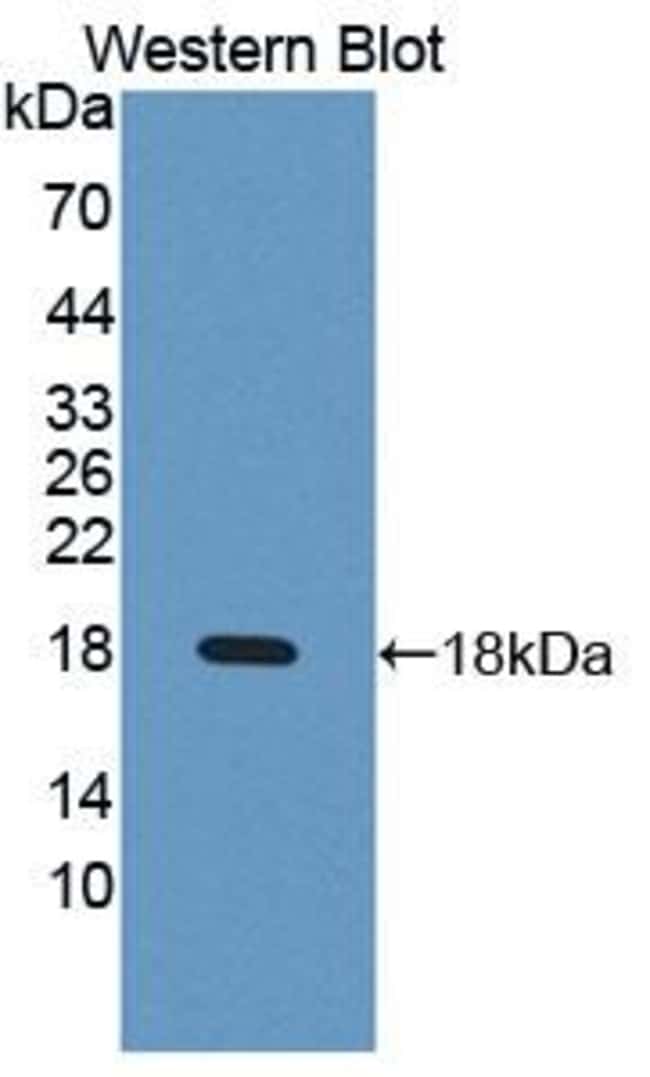
Invitrogen™ DC-SIGN Polyclonal Antibody
Description
DC-SIGN Polyclonal Antibody for Western Blot, ICC/IF, IHC (P)
This gene encodes a transmembrane receptor and is often referred to as DC-SIGN because of its expression on the surface of dendritic cells and macrophages. The encoded protein is involved in the innate immune system and recognizes numerous evolutionarily divergent pathogens ranging from parasites to viruses with a large impact on public health. The protein is organized into three distinct domains: an N-terminal transmembrane domain, a tandem-repeat neck domain and C-type lectin carbohydrate recognition domain. The extracellular region consisting of the C-type lectin and neck domains has a dual function as a pathogen recognition receptor and a cell adhesion receptor by binding carbohydrate ligands on the surface of microbes and endogenous cells. The neck region is important for homo-oligomerization which allows the receptor to bind multivalent ligands with high avidity. Variations in the number of 23 amino acid repeats in the neck domain of this protein are rare but have a significant impact on ligand binding ability. This gene is closely related in terms of both sequence and function to a neighboring gene (GeneID 10332; often referred to as L-SIGN). DC-SIGN and L-SIGN differ in their ligand-binding properties and distribution. Alternative splicing results in multiple variants.

Specifications
Specifications
| Antigen | DC-SIGN |
| Applications | Immunohistochemistry (Paraffin), Western Blot, Immunocytochemistry |
| Classification | Polyclonal |
| Concentration | 0.5 mg/mL |
| Conjugate | Unconjugated |
| Formulation | PBS with 50% glycerol and 0.05% ProClin 300; pH 7.4 |
| Gene | Cd209a |
| Gene Accession No. | Q91ZX1 |
| Gene Alias | CD209; CD209 antigen; CD209 antigen-like protein A; CD209 molecule; Cd209a; CD209a antigen; CD209a molecule; Cd209d; CD209d antigen; CDSIGN; Cire; CLEC4L; Clec4m; C-type lectin domain family 4 member L; C-type lectin domain family 4, member L; C-type lectin domain family 4, member M; Dcsign; DC-SIGN; DC-SIGN1; Dc-signr; DC-SIGN-related protein; Dendritic cell-specific ICAM-3-grabbing non-integrin; dendritic cell-specific ICAM-3-grabbing non-integrin 1; dendritic cell-specific intercellular adhesion molecule-3-grabbing non-integrin; dendritic cell-specific intracellular adhesion molecules (ICAM)-3 grabbing non-integrin; HIV gpl20-binding protein; MGC129965; MGC130443; RGD1561104; SIGN-R1; SIGNR5 |
| Gene Symbols | Cd209a |
| Show More |
Product Title
By clicking Submit, you acknowledge that you may be contacted by Fisher Scientific in regards to the feedback you have provided in this form. We will not share your information for any other purposes. All contact information provided shall also be maintained in accordance with our Privacy Policy.
Spot an opportunity for improvement?