Promotional price valid on web orders only. Your contract pricing may differ. Interested in signing up for a dedicated account number?
Learn More
Learn More

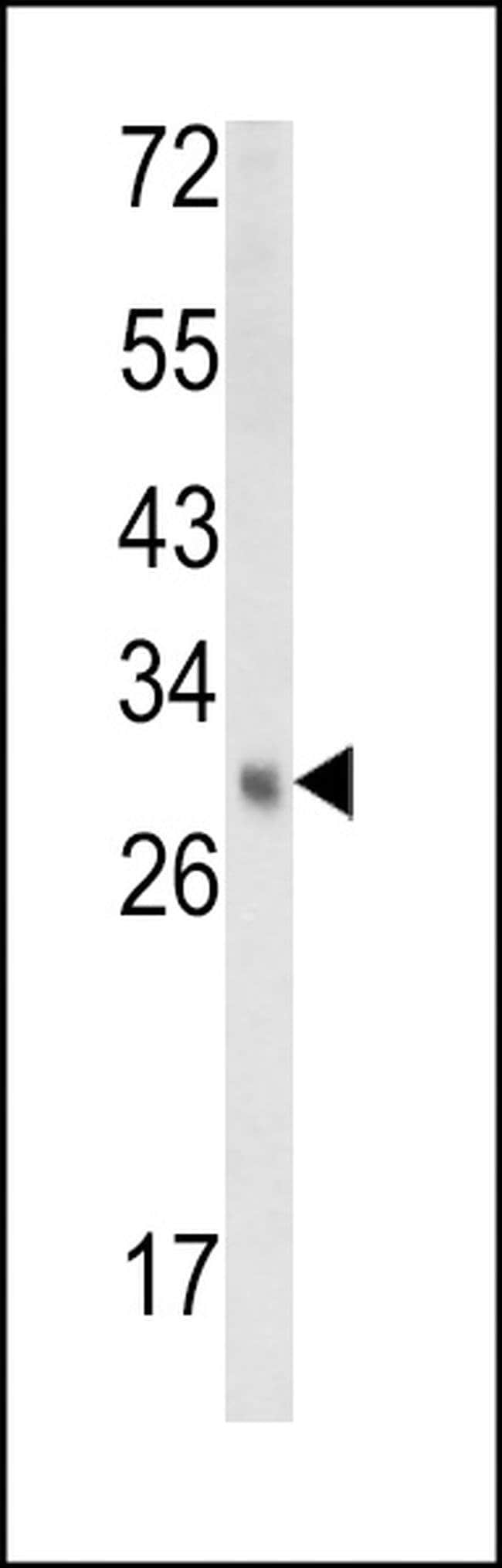
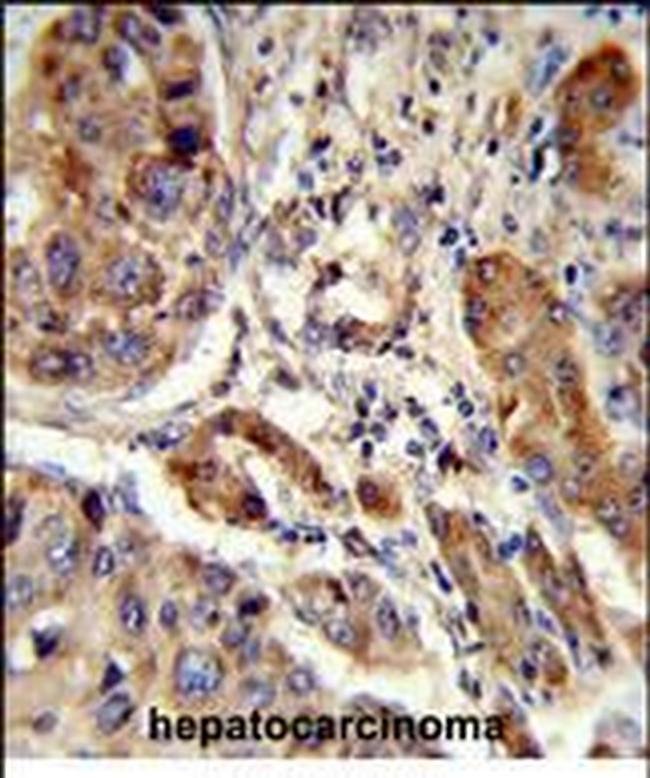
EBP Polyclonal Antibody, Invitrogen™
Description
EBP is an integral membrane protein of the endoplasmic reticulum. It is a high affinity binding protein for the antiischemic phenylalkylamine Ca2+ antagonist [3H]emopamil and the photoaffinity label [3H]azidopamil. It is similar to sigma receptors and may be a member of a superfamily of high affinity drug-binding proteins in the endoplasmic reticulum of different tissues. These aromatic amino acid residues have been suggested to be involved in the drug transport by the P-glycoprotein. Mutations in EBP gene cause Chondrodysplasia punctata 2 (CDPX2; also known as Conradi-Hunermann syndrome).Emopamil-binding protein (EBP) is an integral membrane protein of the endoplasmic reticulum. It is a high affinity binding protein for the antiischemic phenylalkylamine Ca2+ antagonist [3H]emopamil and the photoaffinity label [3H]azidopamil. It is similar to sigma receptors and may be a member of a superfamily of high affinity drug-binding proteins in the endoplasmic reticulum of different tissues. EBP shares structural features with bacterial and eukaryontic drug transporting proteins. It has four putative transmembrane segments and contains two conserved glutamate residues which may be involved in the transport of cationic amphiphilics. Another prominent feature of EBP is its high content of aromatic amino acid residues (>23%) in its transmembrane segments. These aromatic amino acid residues have been suggested to be involved in the drug transport by the P-glycoprotein. Mutations in this gene cause Chondrodysplasia punctata 2 (CDPX2; also known as Conradi-Hunermann syndrome).

Specifications
Specifications
| Antigen | EBP |
| Applications | Flow Cytometry, Immunohistochemistry (Paraffin), Western Blot |
| Classification | Polyclonal |
| Concentration | 0.45 mg/mL |
| Conjugate | Unconjugated |
| Formulation | PBS with 0.09% sodium azide |
| Gene | EBP |
| Gene Accession No. | P70245, Q15125 |
| Gene Alias | 3-beta-hydroxysteroid-Delta(8),Delta(7)-isomerase; 3-beta-hydroxysteroid-delta-8,delta-7-isomerase; AI255399; CDPX2; CHO2; cholestenol Delta-isomerase; Chondrodysplasia punctata-2, X-linked dominant (Happle syndrome); CPX; CPXD; D8-D7 sterol isomerase; delta(8)-Delta(7) sterol isomerase; Ebp; emopamil binding protein (sterol isomerase); emopamil-binding protein; MEND; Msi; Pabp; phenylalkylamine Ca2+ antagonist (emopamil) binding protein; SI; sterol 8-isomerase; Td |
| Gene Symbols | EBP |
| Show More |
Product Title
By clicking Submit, you acknowledge that you may be contacted by Fisher Scientific in regards to the feedback you have provided in this form. We will not share your information for any other purposes. All contact information provided shall also be maintained in accordance with our Privacy Policy.
Spot an opportunity for improvement?