Promotional price valid on web orders only. Your contract pricing may differ. Interested in signing up for a dedicated account number?
Learn More
Learn More
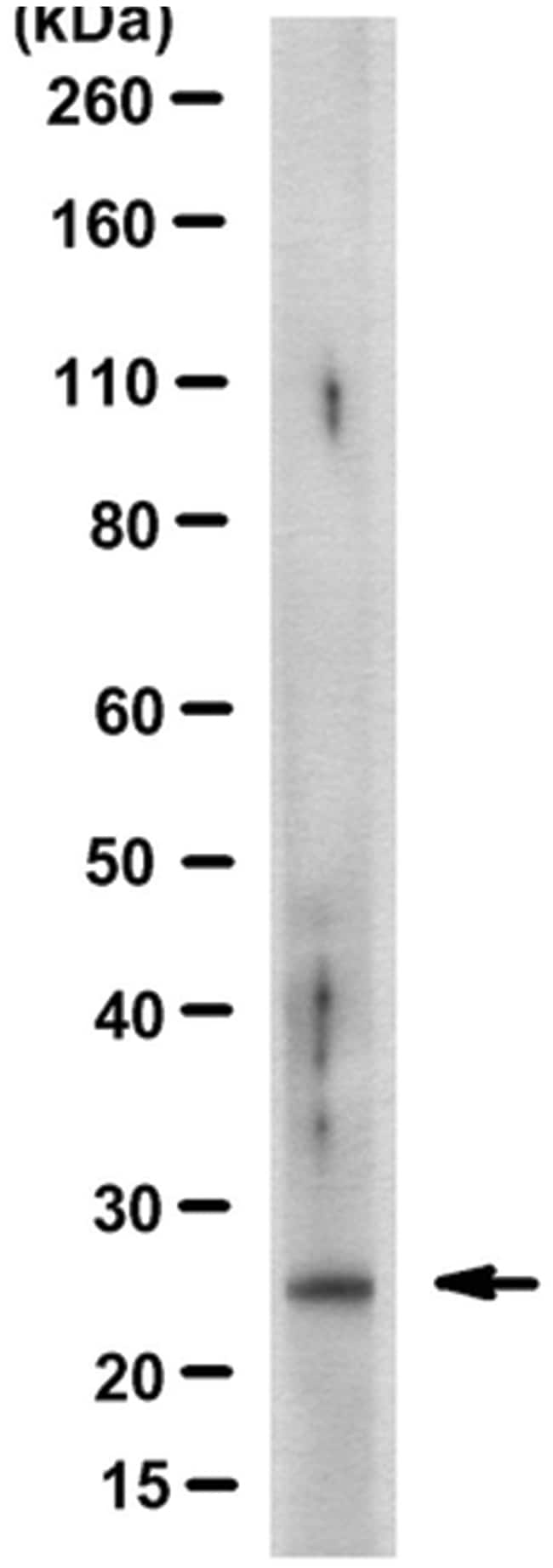
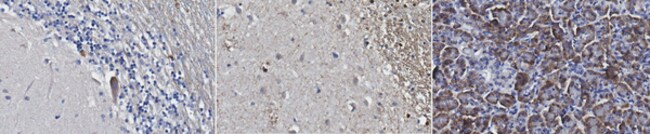
Description
Fibroblast growth factor 9 (UniProt P31371; also known as FGF-9, GAF, Heparin-binding growth factor 9, Glia-activating factor, HBGF-9) is encoded by the FGF9 (also known as SYNS3) gene (Gene ID 2254) in human. Fibroblast growth factor 9 (FGF9) belongs to the FGF family of proteins that regulate a variety of cell functions, including proliferation, differentiation, survival, and motility, via FGF receptors (FGFRs). FGF-9 interacts with several FGFRs and binds preferentially to FGFR3. FGF-9 is highly expressed in cancer-associated fibroblasts (CAFs) in gastric cancer and may play a pivotal role in the interaction between cancer cells and their surrounding stromal cells. FGF-9 is shown to induce MMP-7 expression in AGS and MKN28 gastric cancer cells, promoting invasion and cellular anti-apoptotic activity through activation of the Erk and Akt signaling pathways. In human brain, FGF-9 is primarily expressed by neurons in the cortex, hippocampus, thalamus, cerebellum, and spinal cord, as well as by glia in the hindbrain and spinal cord. Upregulated FGF-9 expression is found in postmortem hippocampus tissues from major depressive disorder (MDD) patients, while FGF-2 is downregulated in the depressed brain. Likewise, chronic intracerebroventricular administration of FGF-9 increased both anxiety- and depression-like behaviors in rats, while FGF-9 knockdown in the dentate gyrus of the hippocampus ameliorated anxiety-like behavior. Human FGF-9 is produced with a propeptide (a.a. 1-3), which is cleaved off posttranslationally to yield the mature protein.

Specifications
Specifications
| Antigen | FGF-9 |
| Applications | Western Blot |
| Classification | Monoclonal |
| Clone | 3A10.1 |
| Concentration | Please refer to lot specific datasheet. |
| Conjugate | Unconjugated |
| Formulation | Purified mouse IgG2a in buffer containing 0.1M Tris-Glycine (pH 7.4), 150mM NaCl with 0.05% Sodium Azide. |
| Gene | FGF9, SYNS3 |
| Gene Accession No. | P31371 |
| Host Species | Mouse |
| Show More |
For Research Use Only. Not for use in diagnostic procedures.
Product Title
By clicking Submit, you acknowledge that you may be contacted by Fisher Scientific in regards to the feedback you have provided in this form. We will not share your information for any other purposes. All contact information provided shall also be maintained in accordance with our Privacy Policy.
Spot an opportunity for improvement?