Promotional price valid on web orders only. Your contract pricing may differ. Interested in signing up for a dedicated account number?
Learn More

Invitrogen™ Glutamine Synthetase Polyclonal Antibody
GREENER_CHOICE

Catalog No. PIPA5120915
Change view
Click to view available options
Quantity:
100 μL
1 product options available for selection
Product selection table with 1 available options. Use arrow keys to navigate and Enter or Space to select.
Catalog No. Quantity
PIPA5120915 100 μL
Use arrow keys to navigate between rows. Press Enter or Space to select a product option. 1 options available.
1 options
This item is not returnable. View return policy
Catalog No. PIPA5120915 Supplier Invitrogen™ Supplier No. PA5120915
Only null left
Add to Cart
Add to Cart
This item is not returnable. View return policy

Rabbit Polyclonal Antibody

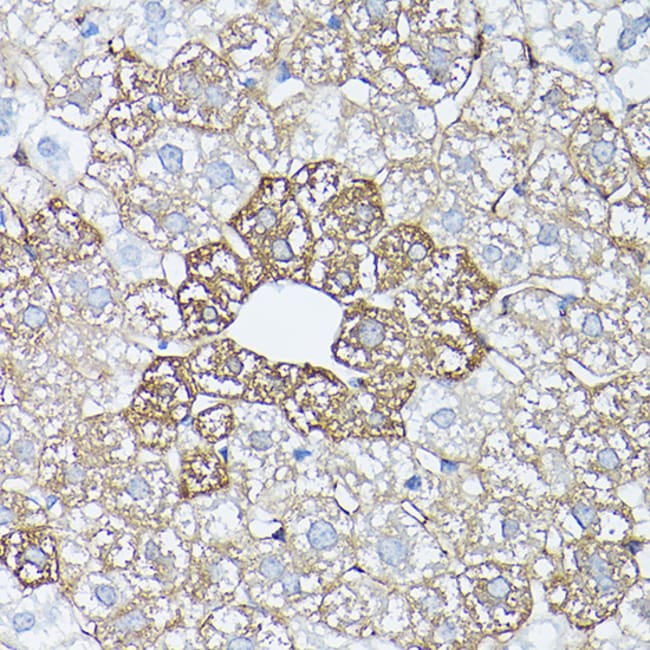
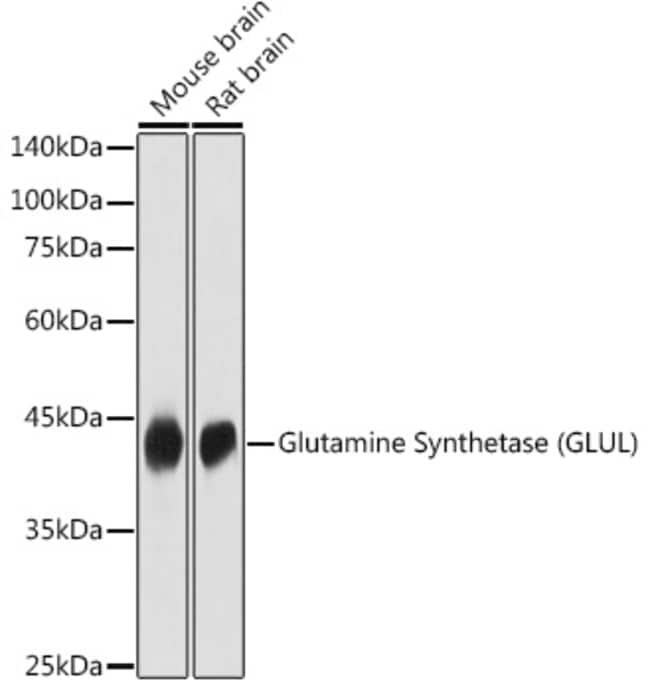
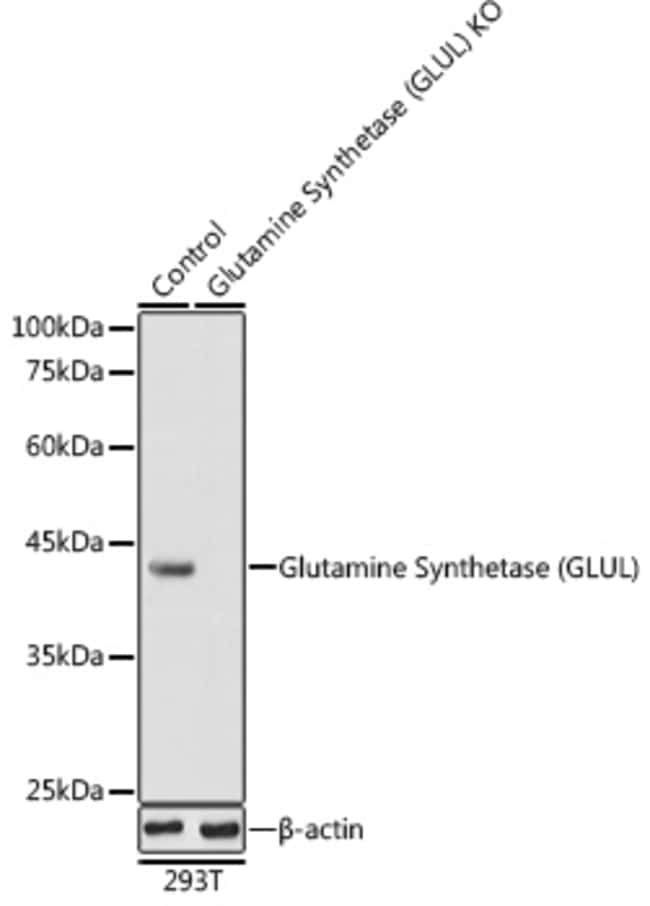
Positive test controls include: 293T, Mouse brain, Rat brain. The target is usually found in the following locations: Cytoplasm, Mitochondrion. Immunogen sequence: MTTSASSHLN KGIKQVYMSL PQGEKVQAMY IWIDGTGEGL RCKTRTLDSE PKCVEELPEW NFDGSSTLQS EGSNSDMYLV PAAMFRDPFR KDPNKLVLCE VFKYNRRPAE TNLRHTCKRI MDMVSNQHPW FGMEQEYTLM GTDGHPFGWP SNGFPGPQGP YYCGVGADRA YGRDIVEAHY RACLYAGVKI AGTNAEVMPA QWEFQIGPCE GISMGDHLWV ARFILHRVCE DFGVIATFDP KPIPGNWNGA GCHTNFSTKA MREENGLKYI EEAIEKLSKR HQYHIRAYDP KGGLDNARRL TGFHETSNIN DFSAGVANRS ASIRIPRTVG QEKKGYFEDR RPSANCDPFS VTEALIRTCL LNETGDEPFQ YKN.

Glutamine synthase is part of the glutamine synthetase family. Ammonia incorporation in animals occurs through the actions of glutamate dehydrogenase and glutamine synthase. Glutamate plays the central role in mammalian nitrogen flow, serving as both a nitrogen donor and nitrogen acceptor. It also has an important role in controlling metabolic regulations of neurotransmitter glutamate. Because of the multiple functions and importance of GS in cellular metabolism, both catalytic activities and synthesis are highly regulated. The activity of GS is controlled by adenylylation. Its activity is decreased in the cerebral cortex of brains affected by Alzheimer's disease, particularly in the vicinity of senile plaques. It is also decreased under conditions of glucose deprivation.
TRUSTED_SUSTAINABILITY

Specifications

Antigen Glutamine Synthetase
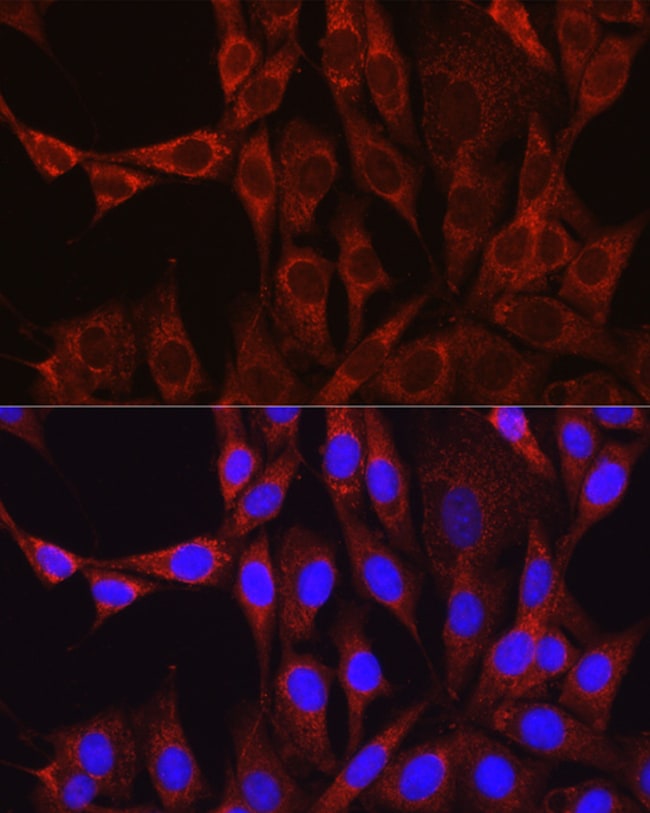
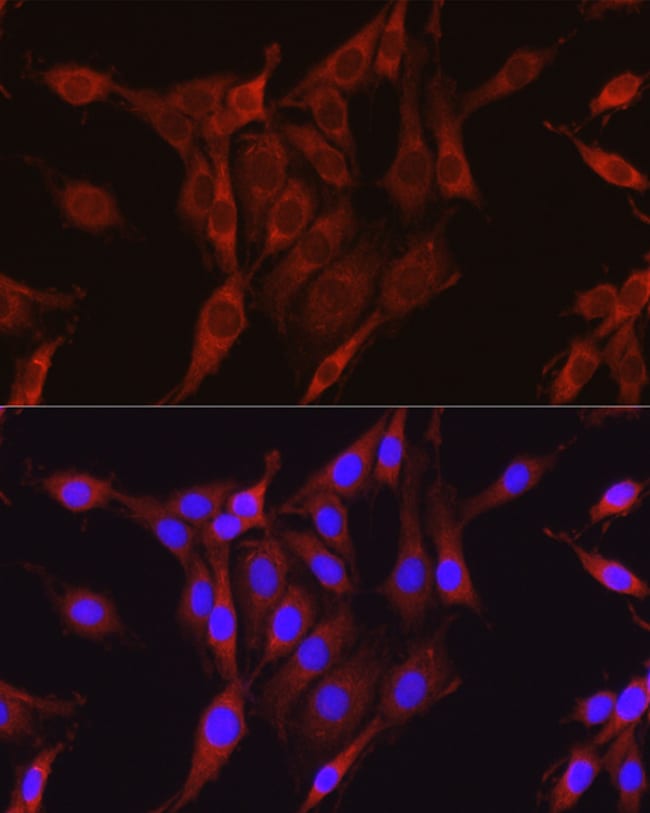
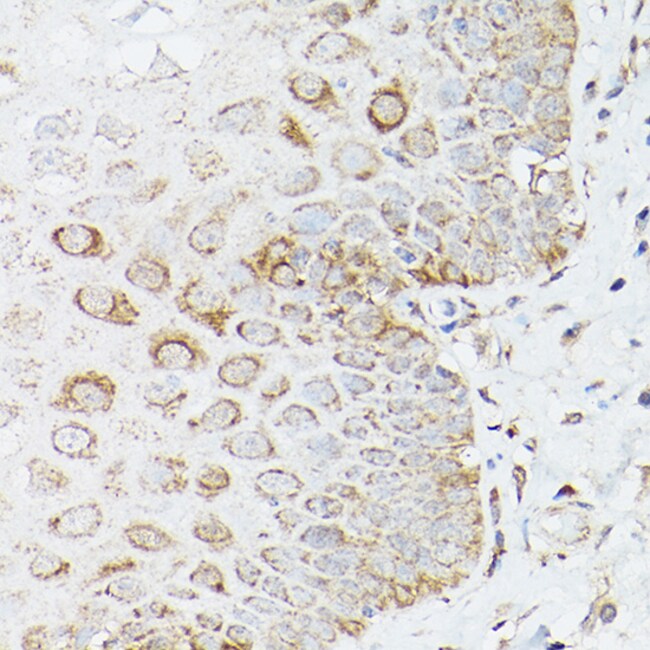
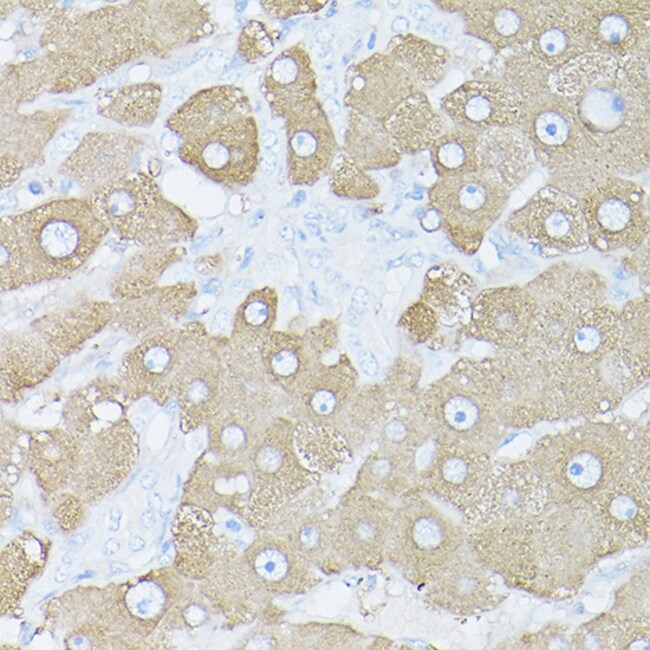
Applications ELISA, Immunohistochemistry (Paraffin), Western Blot, Immunocytochemistry
Classification Polyclonal
Concentration 0.44 mg/mL
Conjugate Unconjugated
Formulation PBS with 50% glycerol and 0.02% sodium azide; pH 7.3
Gene GLUL
Gene Accession No. P09606, P15104, P15105
Gene Alias cell proliferation-inducing protein 59; GLNA; GLNS; Glul; GLUL protein; Glutamate ammonia ligase; glutamate decarboxylase; glutamate-ammonia ligase; glutamate--ammonia ligase; glutamate-ammonia ligase (glutamine synthase); glutamate-ammonia ligase (glutamine synthetase); glutamine synthase; glutamine synthetase; Glutamine synthetase (glutamate-ammonia ligase); glutamine synthetase 1; glutamine synthetase I; GS; Palmitoyltransferase GLUL; PIG43; PIG59; Proliferation inducing protein 43; proliferation-inducing protein 43
Gene Symbols GLUL
Host Species Rabbit
Immunogen Recombinant fusion protein containing a sequence corresponding to amino acids 1-373 of human Glutamine Synthetase (GLUL) (NP_0020562).
Purification Method Affinity chromatography
Quantity 100 μL
Regulatory Status RUO
Primary or Secondary Primary
Gene ID (Entrez) 14645, 24957, 2752
Target Species Human, Mouse, Rat
Content And Storage -20°C, Avoid Freeze/Thaw Cycles
Product Type Antibody
Form Liquid
Isotype IgG
Show More Show Less
Product Title
Select an issue

By clicking Submit, you acknowledge that you may be contacted by Fisher Scientific in regards to the feedback you have provided in this form. We will not share your information for any other purposes. All contact information provided shall also be maintained in accordance with our Privacy Policy.