Learn More
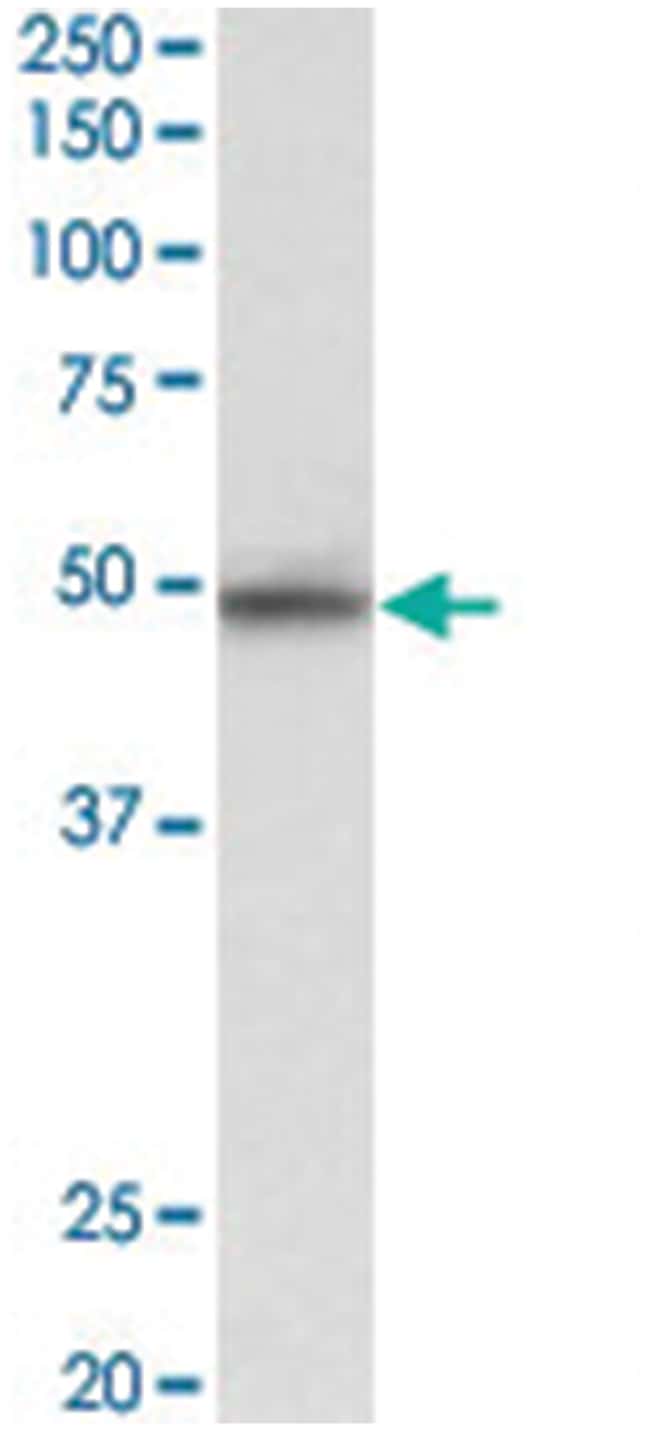
Description
The protein encoded by this gene is a member of the MAP kinase family. MAP kinases act as an integration point for multiple biochemical signals, and are involved in a wide variety of cellular processes such as proliferation, differentiation, transcription regulation and development. This kinase targets specific transcription factors, and thus mediates immediate-early gene expression in response to various cell stimuli. It is most closely related to MAPK8, both of which are involved in UV radiation induced apoptosis, thought to be related to the cytochrome c-mediated cell death pathway. This gene and MAPK8 are also known as c-Jun N-terminal kinases. This kinase blocks the ubiquitination of tumor suppressor p53, and thus it increases the stability of p53 in nonstressed cells. Studies of this gene's mouse counterpart suggest a key role in T-cell differentiation. Several alternatively spliced transcript variants encoding distinct isoforms have been reported. [provided by RefSeq]
Specifications
Specifications
| Antigen | MAPK9 |
| Applications | ELISA, Western Blot |
| Classification | Polyclonal |
| Conjugate | Unconjugated |
| Description | Goat polyclonal antibody raised against synthetic peptide of MAPK9. |
| Dilution | ELISA (1:16000) Western Blot (0.03-0.1 ug/mL) The optimal working dilution should be determined by the end user. |
| Formulation | In 0.5mg/mL Tris saline, pH 7.3 (0.02% sodium azide, 0.5% BSA) |
| Gene | MAPK9 |
| Gene Alias | JNK-55/JNK2/JNK2A/JNK2ALPHA/JNK2B/JNK2BETA/PRKM9/SAPK/p54a/p54aSAPK |
| Gene Symbols | MAPK9 |
| Show More |
For Research Use Only
By clicking Submit, you acknowledge that you may be contacted by Fisher Scientific in regards to the feedback you have provided in this form. We will not share your information for any other purposes. All contact information provided shall also be maintained in accordance with our Privacy Policy.