Learn More
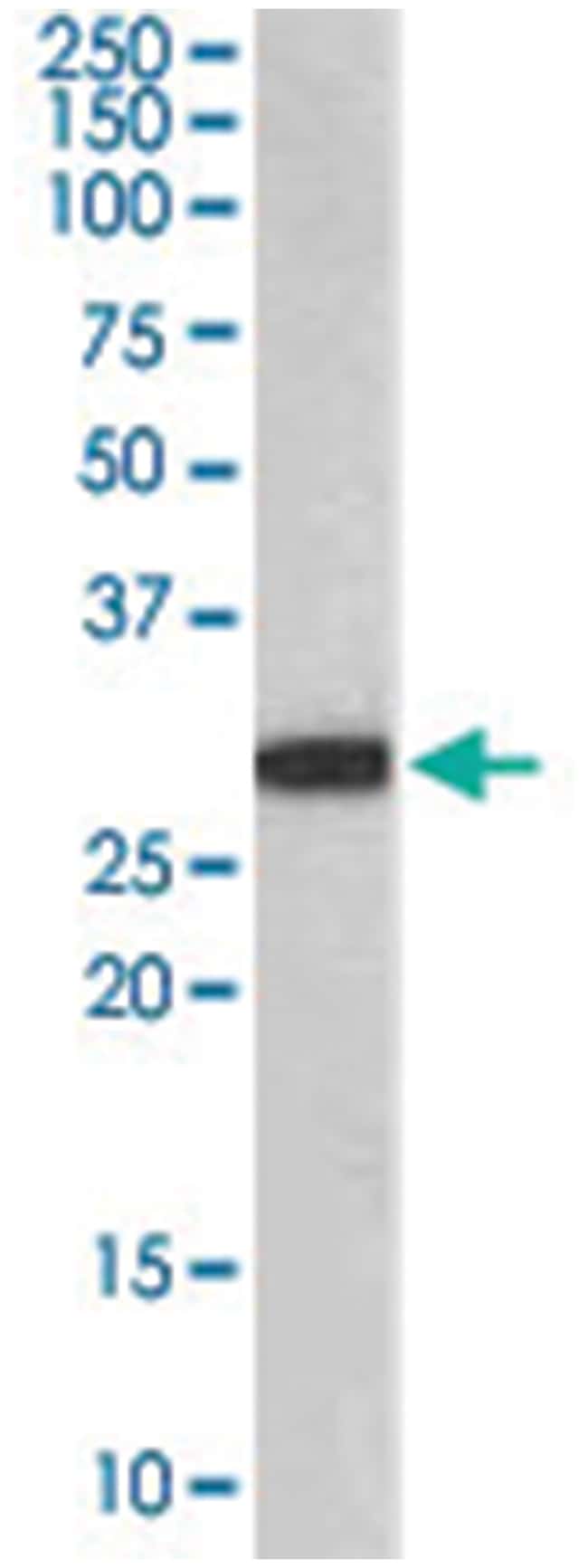
Description
This gene is a member of the NAD(P)H dehydrogenase (quinone) family and encodes a cytoplasmic 2-electron reductase. This FAD-binding protein forms homodimers and reduces quinones to hydroquinones. This protein's enzymatic activity prevents the one electron reduction of quinones that results in the production of radical species. Mutations in this gene have been associated with tardive dyskinesia (TD), an increased risk of hematotoxicity after exposure to benzene, and susceptibility to various forms of cancer. Altered expression of this protein has been seen in many tumors and is also associated with Alzheimer's disease (AD). Alternate transcriptional splice variants, encoding different isoforms, have been characterized. [provided by RefSeq]
Specifications
Specifications
| Antigen | NQO1 |
| Applications | ELISA, Western Blot |
| Classification | Polyclonal |
| Concentration | 0.5 mg/mL |
| Conjugate | Unconjugated |
| Description | Goat polyclonal antibody raised against synthetic peptide of NQO1. |
| Dilution | ELISA (1:64000) Western Blot (0.03-0.1 ug/mL) The optimal working dilution should be determined by the end user. |
| Formulation | In Tris saline, pH 7.3 (0.5% BSA, 0.02% sodium azide) |
| Gene | NQO1 |
| Gene Alias | DHQU/DIA4/DTD/NMOR1/NMORI/QR1 |
| Show More |
For Research Use Only
By clicking Submit, you acknowledge that you may be contacted by Fisher Scientific in regards to the feedback you have provided in this form. We will not share your information for any other purposes. All contact information provided shall also be maintained in accordance with our Privacy Policy.