Promotional price valid on web orders only. Your contract pricing may differ. Interested in signing up for a dedicated account number?
Learn More
Learn More
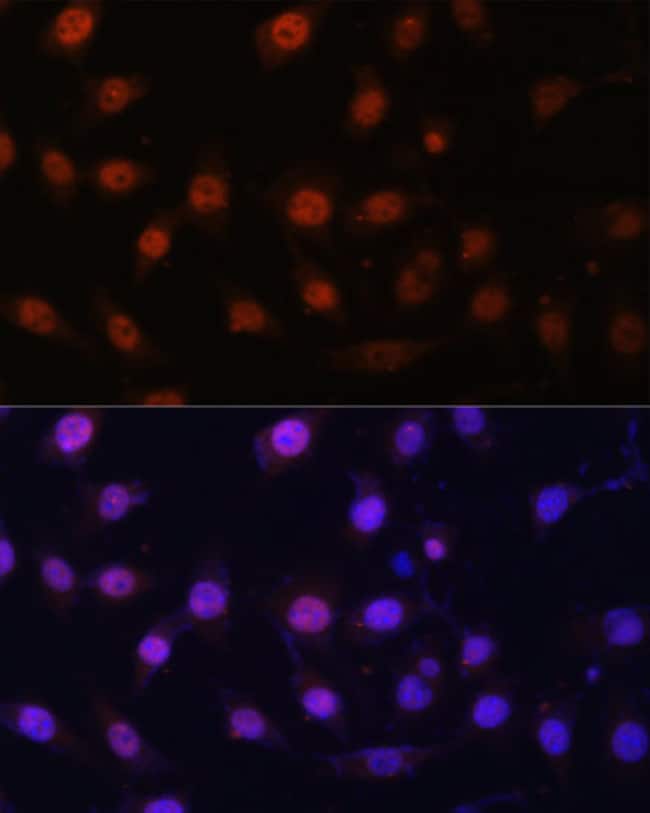
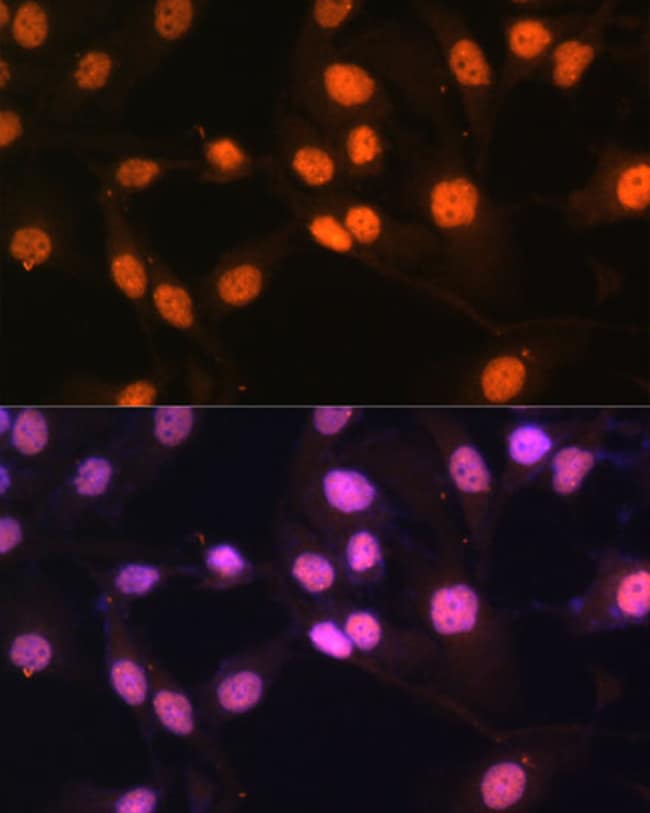
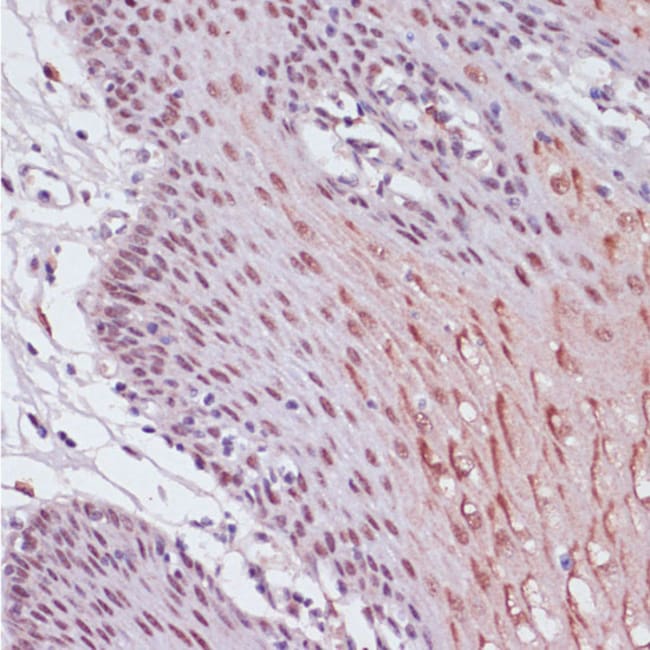
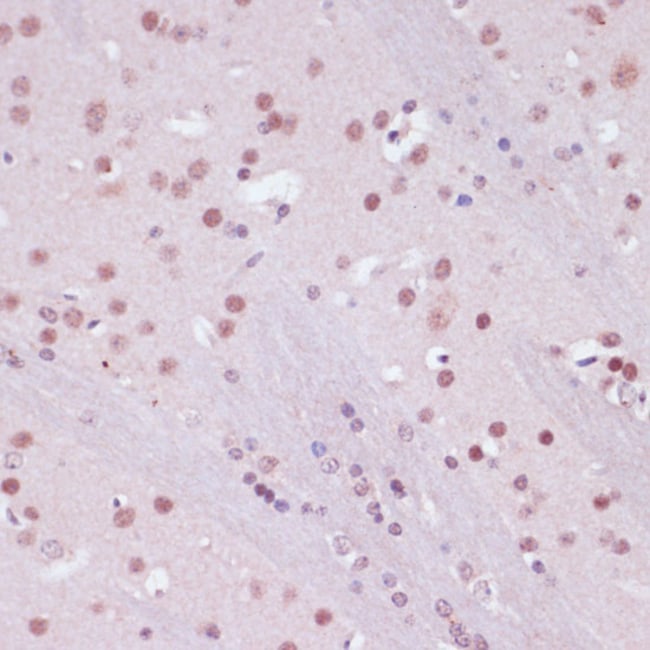
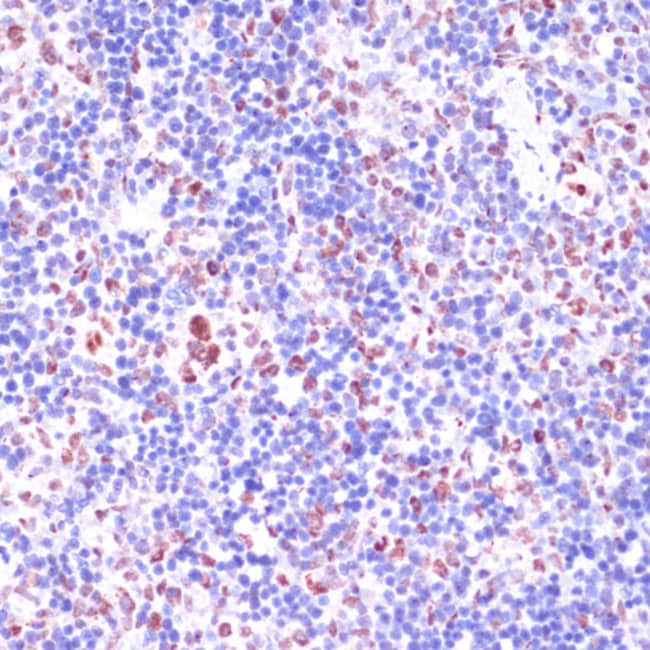
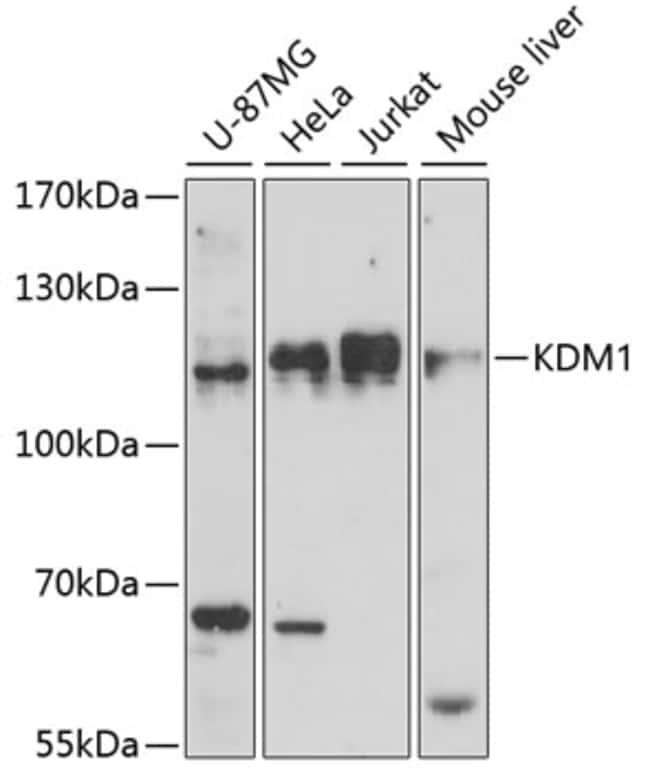
Invitrogen™ LSD1 Polyclonal Antibody

Description
Positive Samples: Cellular Location: Nucleus Immunogen sequence: LSEDEYYSEE ERNAKAEKEK KLPPPPPQAP PEEENESEPE EPSGVEGAAF QSRLPHDRMT SQEAACFPDI ISGPQQTQKV FLFIRNRTLQ LWLDNPKIQL TFEATLQQLE APYNSDTVLV HRVHSYLERH GLINFGIYKR IKPLPTKKTG KVIIIGSGVS GLAAARQLQS FGMDVTLLEA RDRVGGRVAT FRKGNYVADL GAMVVTGLGG NPMAVVSKQV NMELAKIKQK CPLYEANGQA VPKEKDEMVE Q.
LSD1 is a histone demethylase that specifically demethylates 'Lys-4' of histone H3, a specific tag for epigenetic transcriptional activation, thereby acting as a corepressor. LSD1 contains a SWIRM domain, a FAD-binding motif, and an amine oxidase domain. This protein is a component of several histone deacetylase complexes, though it silences genes by functioning as a histone demethylase. It acts by oxidizing the substrate by FAD to generate the corresponding imine that is subsequently hydrolyzed. LSD1 demethylates both mono- and tri-methylted 'Lys-4' of histone H3. This protein may play a role in the repression of neuronal genes. Alone, it is unable to demethylate H3 'Lys-4' on nucleosomes and requires the presence of RCOR1/CoREST to achieve such activity. It may also demethylate 'Lys-9' of histone H3, a specific tag for epigenetic transcriptional repression, thereby leading to derepression of androgen receptor target genes. Mutations affecting this gene can result in cleft palate, psychomotor retardation, and distintive facial features.

Specifications
Specifications
| Antigen | LSD1 |
| Applications | ELISA, Immunohistochemistry (Paraffin), Western Blot, Immunocytochemistry |
| Classification | Polyclonal |
| Concentration | 0.90 mg/mL |
| Conjugate | Unconjugated |
| Formulation | PBS with 50% glycerol and 0.01% thimerosal; pH 7.3 |
| Gene | KDM1A |
| Gene Accession No. | O60341, Q6ZQ88 |
| Gene Alias | 1810043O07Rik; AA408884; amine oxidase (flavin containing) domain 2; AOF2; BHC110; BRAF35-HDAC complex protein BHC110; CPRF; D4Ertd478e; F9F13.30; F9F13_30; FAD-binding protein BRAF35-HDAC complex, 110 kDa subunit; flavin-containing amine oxidase domain-containing protein 2; KDM1; KDM1A; KIAA0601; LESION SIMULATING DISEASE; LESION SIMULATING DISEASE 1; Lsd1; lysine (K)-specific demethylase 1; lysine (K)-specific demethylase 1A; lysine demethylase 1A; lysine-specific demethylase 1; lysine-specific histone demethylase 1; lysine-specific histone demethylase 1A; mKIAA0601; neuroprotective protein 3; RGD1562975; RP1-184J9.1; wu:fb82e06; wu:fc51a02; wu:fj36a05; wu:fj66b06 |
| Gene Symbols | KDM1A |
| Show More |
Product Title
By clicking Submit, you acknowledge that you may be contacted by Fisher Scientific in regards to the feedback you have provided in this form. We will not share your information for any other purposes. All contact information provided shall also be maintained in accordance with our Privacy Policy.
Spot an opportunity for improvement?