Learn More
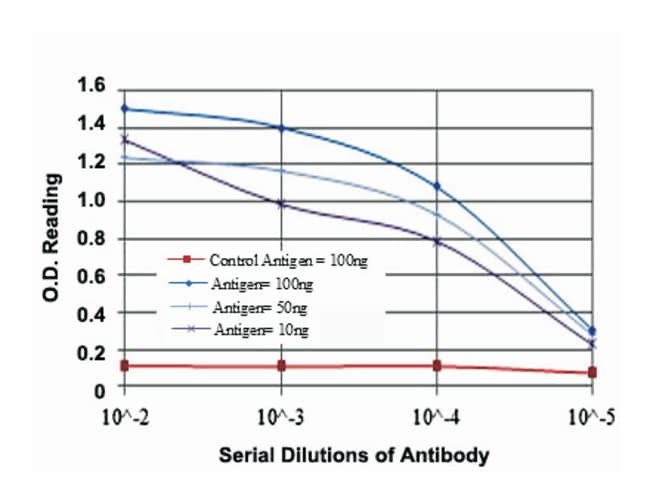
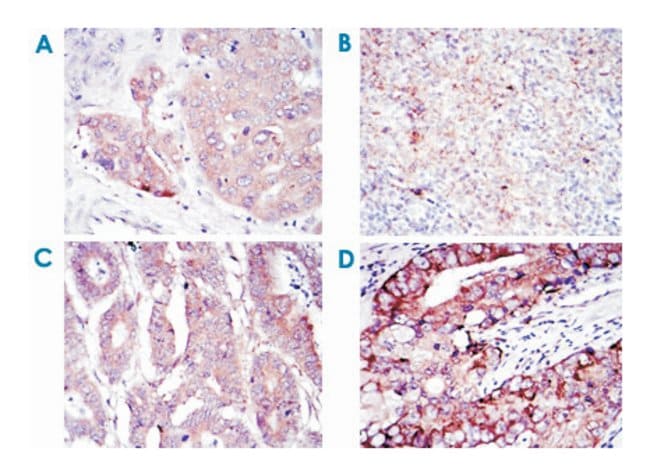
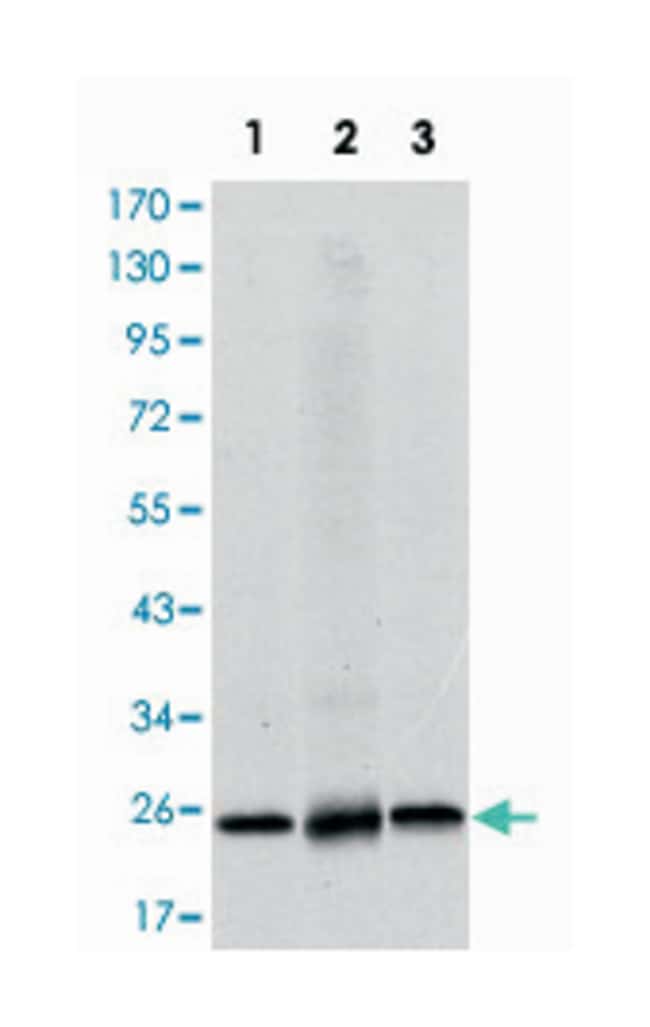
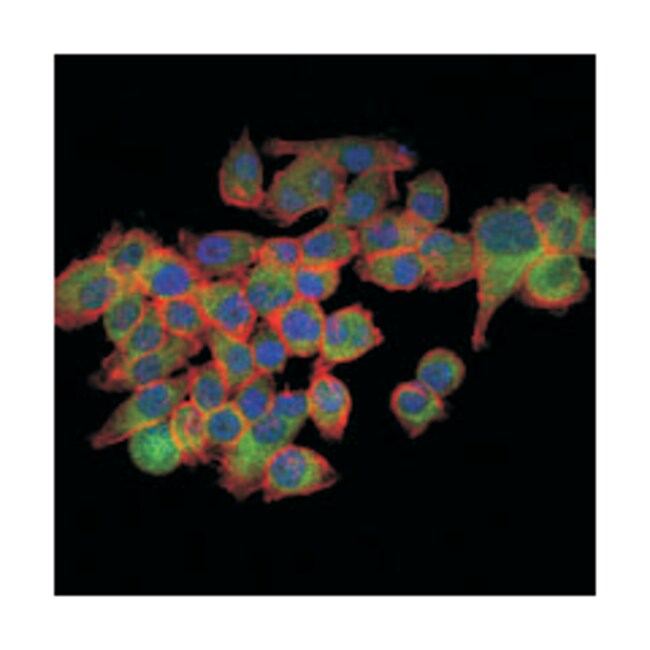
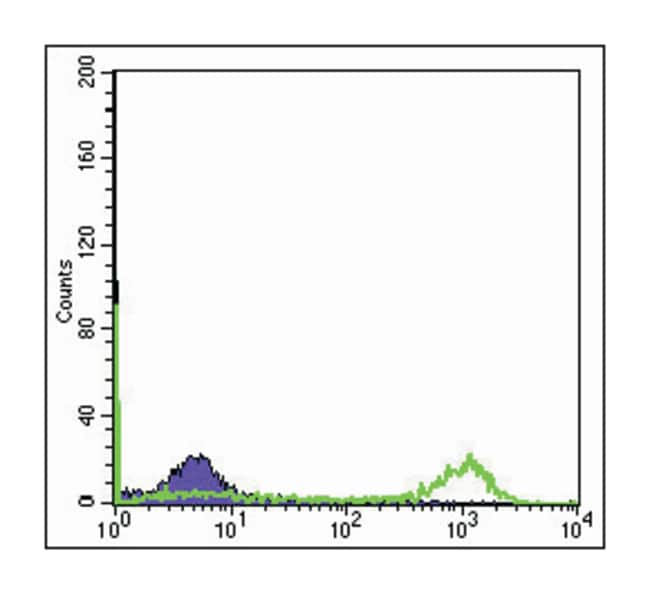
Description
All eukaryotic cellular mRNAs are blocked at their 5-prime ends with the 7-methylguanosine cap structure, m7GpppX (where X is any nucleotide). This structure is involved in several cellular processes including enhanced translational efficiency, splicing, mRNA stability, and RNA nuclear export. EIF4E is a eukaryotic translation initiation factor involved in directing ribosomes to the cap structure of mRNAs. It is a 24kDa polypeptide that exists as both a free form and as part of a multiprotein complex termed EIF4F. The EIF4E polypeptide is the rate-limiting component of the eukaryotic translation apparatus and is involved in the mRNA-ribosome binding step of eukaryotic protein synthesis. The other subunits of EIF4F are a 50kDa polypeptide, termed EIF4A (see MIM 601102), that possesses ATPase and RNA helicase activities, and a 220kDa polypeptide, EIF4G (MIM 600495) (Rychlik et al., 1987 [PubMed 3469651]).[supplied by OMIM
Specifications
Specifications
| Antigen | EIF4E |
| Applications | ELISA, Flow Cytometry, Immunofluorescence, Immunohistochemistry, Western Blot |
| Classification | Monoclonal |
| Clone | 5D11 |
| Conjugate | Unconjugated |
| Description | Mouse monoclonal antibody raised against partial recombinant EIF4E. |
| Dilution | ELISA (1:10000) Western Blot (1:500-1:2000) Immunohistochemistry (1:200-1:1000) Immunofluorescence (1:200-1:1000) Flow cytometry (1:200-1:400) The optimal working dilution should be determined by the end user. |
| Formulation | In ascites (0.03% sodium azide) |
| Gene | EIF4E |
| Gene Alias | CBP/EIF4E1/EIF4EL1/EIF4F/MGC111573 |
| Show More |
By clicking Submit, you acknowledge that you may be contacted by Fisher Scientific in regards to the feedback you have provided in this form. We will not share your information for any other purposes. All contact information provided shall also be maintained in accordance with our Privacy Policy.