Learn More
Description
The inhibin alpha subunit joins either the beta A or beta B subunit to form a pituitary FSH secretion inhibitor. Inhibin has been shown to regulate gonadal stromal cell proliferation negatively and to have tumour-suppressor activity. In addition, serum levels of inhibin have been shown to reflect the size of granulosa-cell tumors and can therefore be used as a marker for primary as well as recurrent disease. However, in prostate cancer, expression of the inhibin alpha-subunit gene was suppressed and was not detectable in poorly differentiated tumor cells. Furthermore, because expression in gonadal and various extragonadal tissues may vary severalfold in a tissue-specific fashion, it is proposed that inhibin may be both a growth/differentiation factor and a hormone. [provided by RefSeq
Specifications
Specifications
| Antigen | INHA |
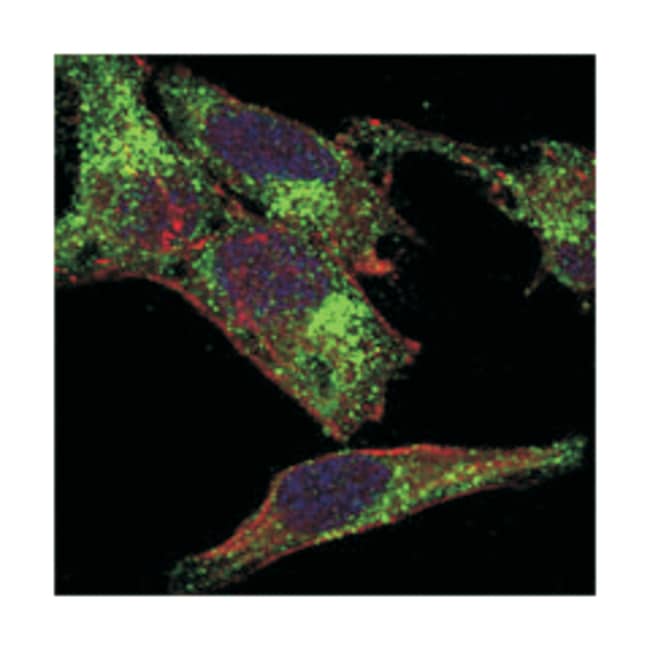
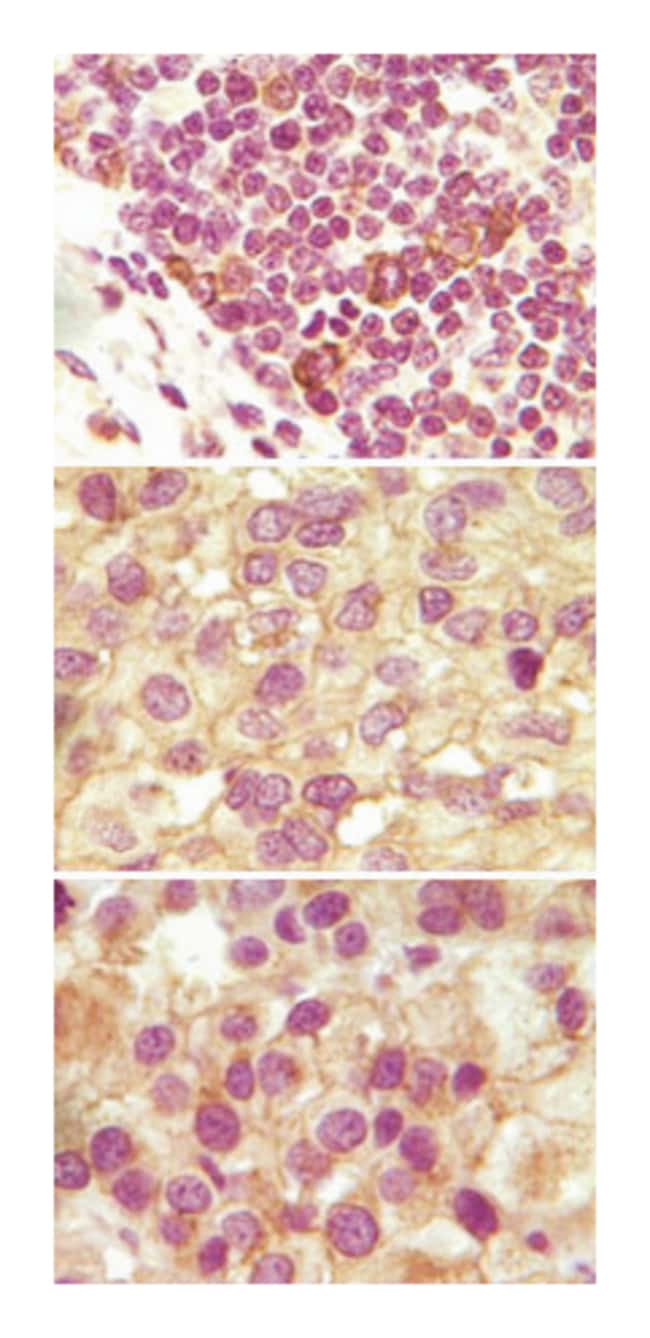
| Applications | ELISA, Immunofluorescence, Immunohistochemistry (PFA fixed) |
| Classification | Monoclonal |
| Clone | 4A2 |
| Conjugate | Unconjugated |
| Description | Mouse monoclonal antibody raised against partial recombinant INHA. |
| Dilution | ELISA (1:10000) Immunohistochemistry (1:200-1:1000) Immunofluorescence (1:200-1:1000) The optimal working dilution should be determined by the end user. |
| Formulation | In PBS (0.03% sodium azide) |
| Gene | INHA |
| Gene Symbols | INHA |
| Show More |
By clicking Submit, you acknowledge that you may be contacted by Fisher Scientific in regards to the feedback you have provided in this form. We will not share your information for any other purposes. All contact information provided shall also be maintained in accordance with our Privacy Policy.