Learn More
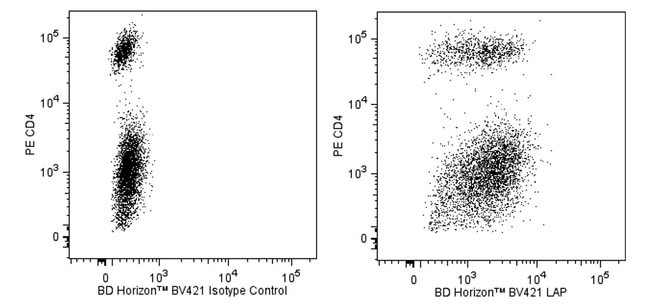


Description
The TW7-16B4 monoclonal antibody speci fically binds to Latency-Associated Peptide (LAP), a component of the dimeric Transforming Growth Factor-beta 1 (TGF-β1) propeptide encoded by Tgfb1 . Prior to secretion, the dimeric LAP-TGF-β1 propeptide is cleaved resulting in a biologically inactive form of dimeric TGF-β1 that is noncovalently associated with dimeric LAP (latent TGF-β1). This complex may be expressed on the surface of TGF-β1-producing cells or be further processed by proteolytic removal of LAP to release the biologically active mature form of the soluble TGF-β1 homodimer. Platelets contain TGF-β1 and most nucleated cells, including tumor cells and cells that comprise the innate and adaptive immune system can produce TGF-β1. TGF-β1 is a potent multifunctional cytokine that regulates numerou s processes including development, hematopoiesis, tissue remodeling, wound repair, and immunity as well as cancer and autoimmune diseases.

Specifications
Specifications
| Antigen | LAP |
| Applications | Flow Cytometry |
| Classification | Monoclonal |
| Clone | TW7-16B4 |
| Concentration | 0.2mg/mL |
| Conjugate | Brilliant Violet 421 |
| Description | Latency-associated peptide; TGFB1; TGFbeta; Transforming growth factor beta |
| Formulation | Aqueous buffered solution containing BSA and ≤0.09% sodium azide. |
| Host Species | Mouse |
| Immunogen | Mouse Tgfb1-transduced Cell Line |
| Show More |
By clicking Submit, you acknowledge that you may be contacted by Fisher Scientific in regards to the feedback you have provided in this form. We will not share your information for any other purposes. All contact information provided shall also be maintained in accordance with our Privacy Policy.