Promotional price valid on web orders only. Your contract pricing may differ. Interested in signing up for a dedicated account number?
Learn More
Learn More
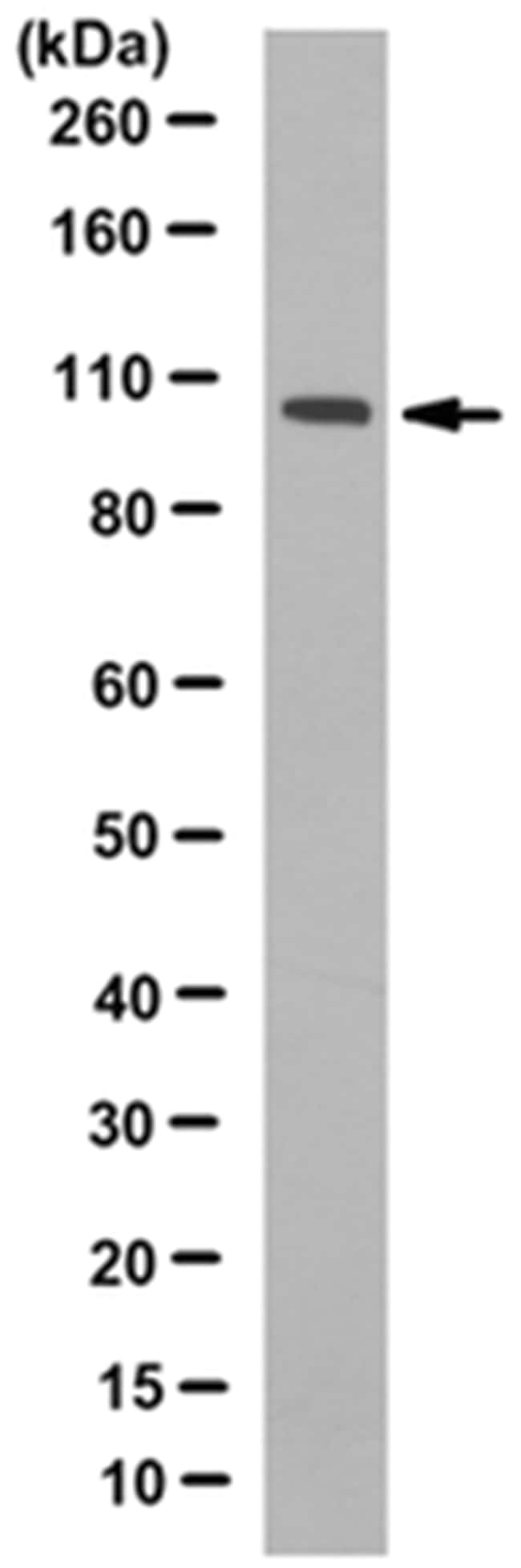
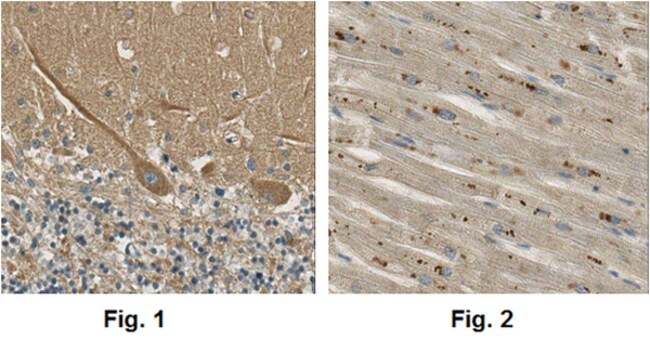
Description
Specifically detects Ribeye clone: 3D12.1 in Human samples, and it is validated for Immunohistochemistry (Paraffin), Western Blotting
Human C-terminal-binding protein 2 (CtBP2) and Ribeye (UniProt P56545-1 and P56545-2, respectively) are two proteins encoded by the CTBP2 gene (Gene ID 1488) in human, they are produced as a result of alternative splicing. The C-terminal 425-amino acid sequence of Ribeye (aa 561-985) is identical to that of CtBP2 (aa 21-445), however the first 20 amino acids at the CtBP2 N-terminal end is replaced with a 560-amino acid sequence in the case of Ribeye. Ribeye is a protein specific to synaptic ribbons. Ribbon synapses are high-performance synapses built by certain nonspiking sensory neurons, such as photoreceptors, retinal bipolar cells, and inner ear hair cells. The main site of exocytosis of these neurons is characterized by unique presynaptic structures called the synaptic ribbons that associate with large numbers of synaptic vesicles primed for exocytosis and has a direct impact on synaptic signaling. Ribeye is composed of an N-terminal A domain and a C-terminal B domain that is largely identical to CtBP2. The A domain unique to Ribeye has a structural role at the synaptic ribbon, while the B domain of Ribeye possesses lysophosphatidic acid (LPA) acyltransferase (LPAAT) activity that catalyzes the generation of the highly active signaling phospholipid phosphatidic acid (PA) from LPA. LPAAT-deficient Ribeye mutant does not recruit PA-binding proteins to synaptic ribbons, whereas wild-type RIBEYE supports PA-dependent binding, The B domain also contains an NADH-binding subdomain (NBD), which is reported to compete against Arf1 for Arf-GTPase activating protein-3 (ArfGAP3) binding. Ribeye therefore functions as an Arf1 positive regulator at the synaptic ribbon by preventing the inactivation of Arf1 by ArfGAP3.

Specifications
Specifications
| Antigen | Ribeye |
| Applications | Immunohistochemistry (Paraffin), Western Blot |
| Classification | Monoclonal |
| Clone | 3D12.1 |
| Formulation | Purified mouse monoclonal IgG1κ antibody in buffer containing 0.1M Tris-Glycine (pH 7.4), 150mM NaCl with 0.05% sodium azide. |
| Gene Accession No. | P56545-2 |
| Gene Symbols | CTBP2 |
| Host Species | Mouse |
| Immunogen | GST-tagged recombinant protein corresponding to the N-terminal region of human Ribeye. |
| Purification Method | Protein G Purified |
| Show More |
For Research Use Only
Product Title
By clicking Submit, you acknowledge that you may be contacted by Fisher Scientific in regards to the feedback you have provided in this form. We will not share your information for any other purposes. All contact information provided shall also be maintained in accordance with our Privacy Policy.
Spot an opportunity for improvement?