Learn More
Description
This gene encodes a member of the superoxide dismutase (SOD) protein family. SODs are antioxidant enzymes that catalyze the dismutation of two superoxide radicals into hydrogen peroxide and oxygen. The product of this gene is thought to protect the brain, lungs, and other tissues from oxidative stress. The protein is secreted into the extracellular space and forms a glycosylated homotetramer that is anchored to the extracellular matrix (ECM) and cell surfaces through an interaction with heparan sulfate proteoglycan and collagen. A fraction of the protein is cleaved near the C-terminus before secretion to generate circulating tetramers that do not interact with the ECM. [provided by RefSeq
Specifications
Specifications
| Antigen | SOD3 |
| Applications | ELISA, Immunohistochemistry, Western Blot |
| Classification | Monoclonal |
| Clone | 4GG11G6 |
| Conjugate | Unconjugated |
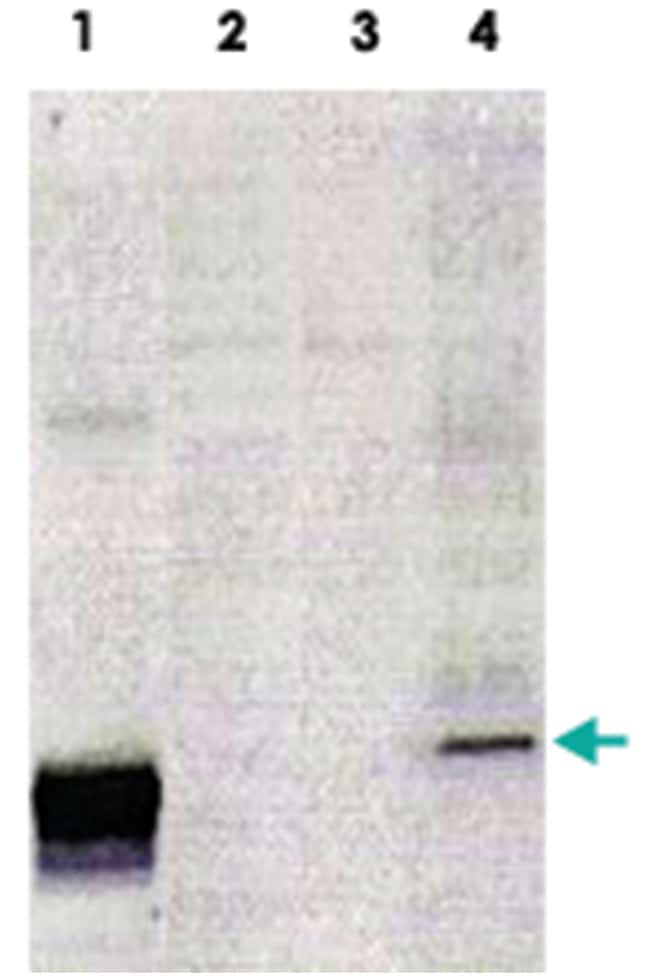
| Description | Mouse monoclonal antibody raised against native SOD3. |
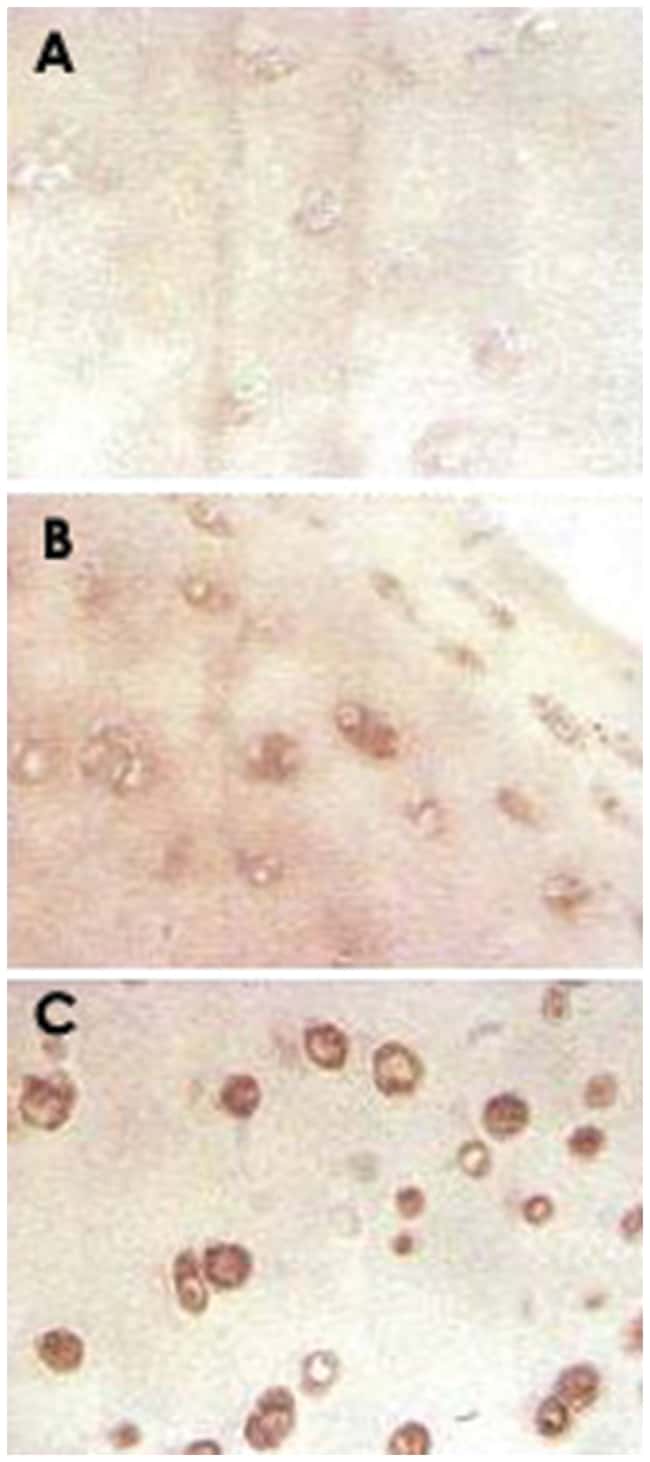
| Dilution | Western Blot (1:1000) Immunohistochemistry (1:100) Immunocytochemistry (1:100) The optimal working dilution should be determined by the end user. |
| Formulation | In PBS, pH 7.4 (50% glycerol, 0.09% sodium azide) |
| Gene | SOD3 |
| Gene Alias | EC-SOD/MGC20077 |
| Show More |
By clicking Submit, you acknowledge that you may be contacted by Fisher Scientific in regards to the feedback you have provided in this form. We will not share your information for any other purposes. All contact information provided shall also be maintained in accordance with our Privacy Policy.