Learn More


PEG Monoclonal Antibody (5E10E9), THE™, GenScript™

Description
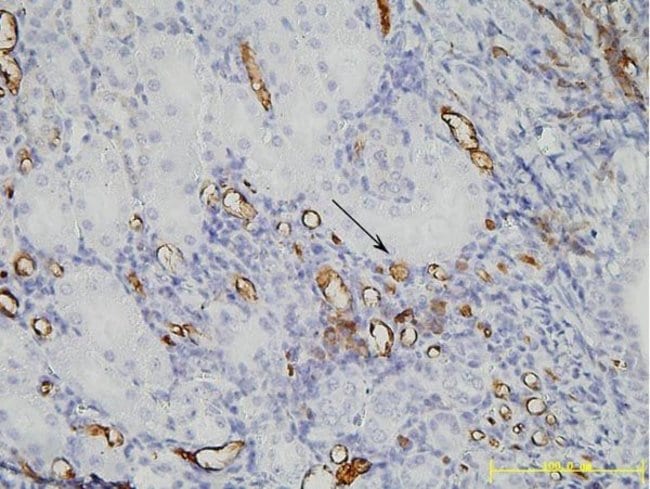
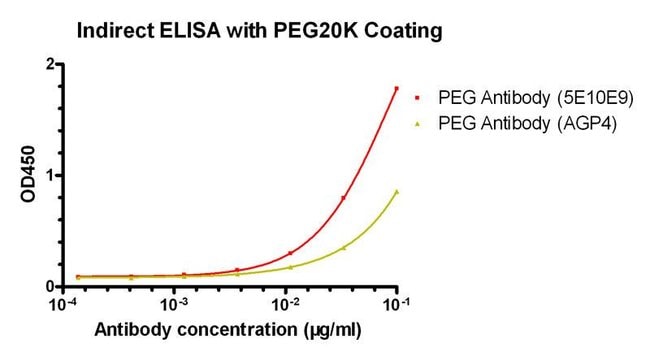
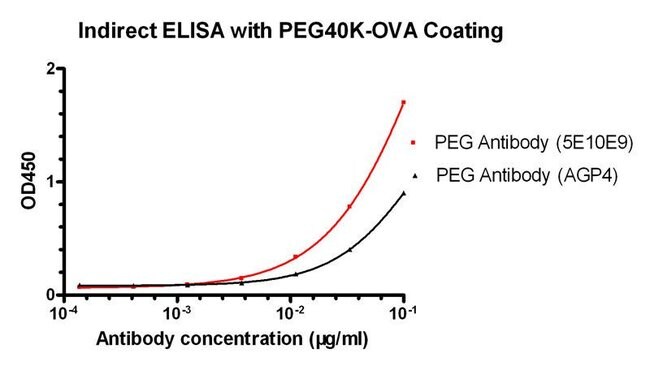
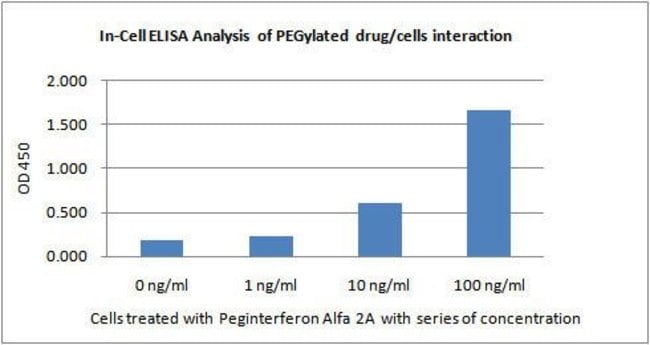
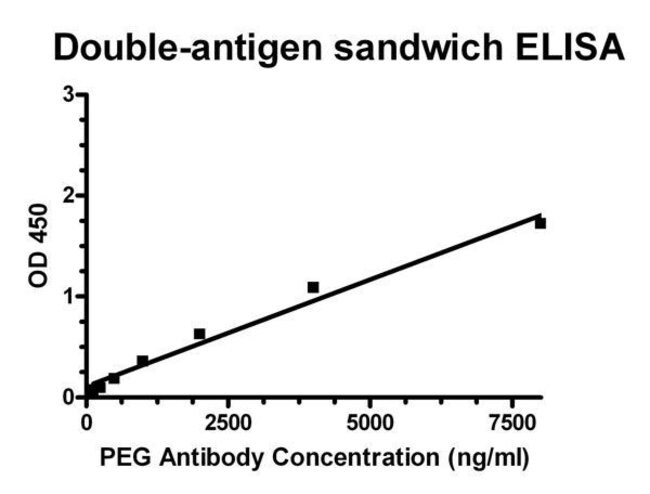
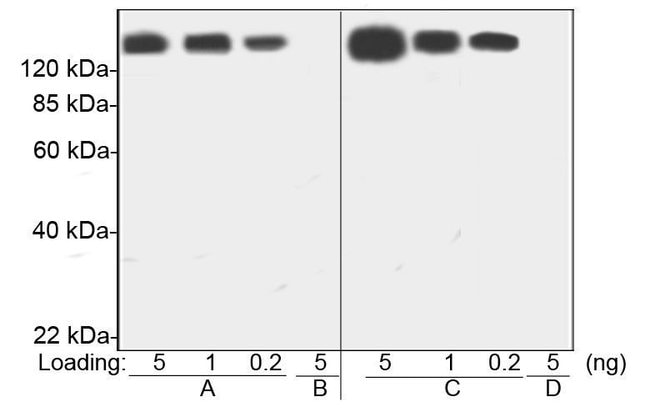
Reconstitute the lyophilized product with deionized water (or equivalent) to make antibody concentration of 0.5 mg/mL. For long-term storage, adding glycerol to a final concentration of 50% (v/v) in the reconstituted antibody solution is recommended. PEG (Polyethylene glycol) is a polyether compound with many applications from industrial manufacturing to medicine. PEGylation is a technology that covalent couples non-toxic, hydrophilic polyethylene glycol (PEG) to the drug. It is an FDA-approved method for the delivery of protein drugs.PEG modification can reduce the drug immunogenicity and antigenicity. PEGylated drug decelerates renal excretion, improves stability towards proteolysis and increases its half life in blood. Accurate and sensitive quantification of PEG conjugates is important for PEG conjugated product development and pharmaceutical study. Polyethylene glycol (PEG) antibody is a useful tool for the detection of PEGylated molecules.GenScript THE™ PEG Antibody, mAb, Mouse is produced from the hybridoma resulting from fusion of Sp2/0 myeloma and lymphocytes obtained from mouse immunized with PEG conjugated to KLH.
Specifications
Specifications
| Antigen | PEG |
| Applications | ELISA, Immunohistochemistry (Paraffin), Western Blot |
| Classification | Monoclonal |
| Clone | 5E10E9 |
| Conjugate | Unconjugated |
| Formulation | PBS with 0.02% sodium azide; pH 7.4 |
| Gene Alias | Poly Ethylene Glycol; Polyethylene Glycol |
| Host Species | Mouse |
| Immunogen | PEG conjugated to KLH |
| Purification Method | Affinity chromatography |
| Show More |
By clicking Submit, you acknowledge that you may be contacted by Fisher Scientific in regards to the feedback you have provided in this form. We will not share your information for any other purposes. All contact information provided shall also be maintained in accordance with our Privacy Policy.