Promotional price valid on web orders only. Your contract pricing may differ. Interested in signing up for a dedicated account number?
Learn More
Learn More


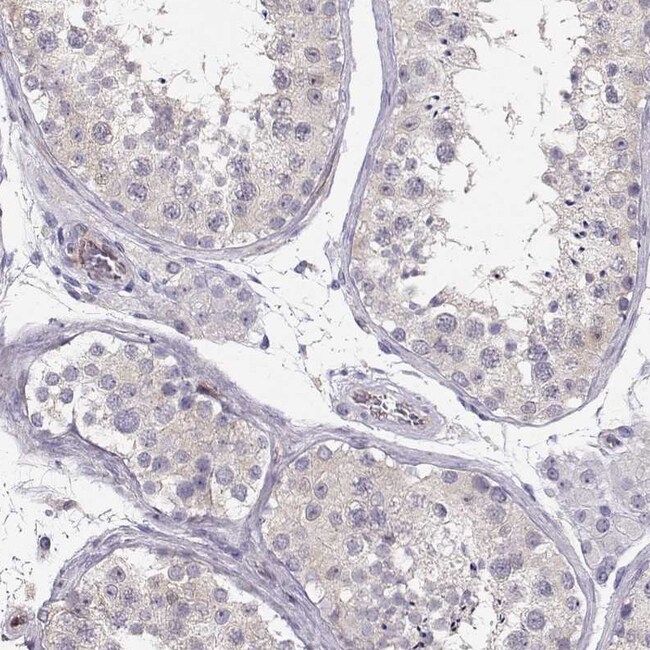
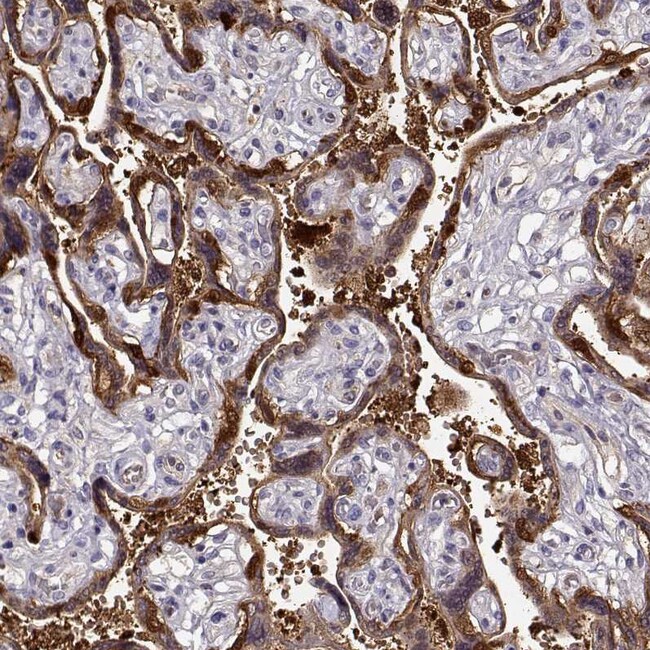
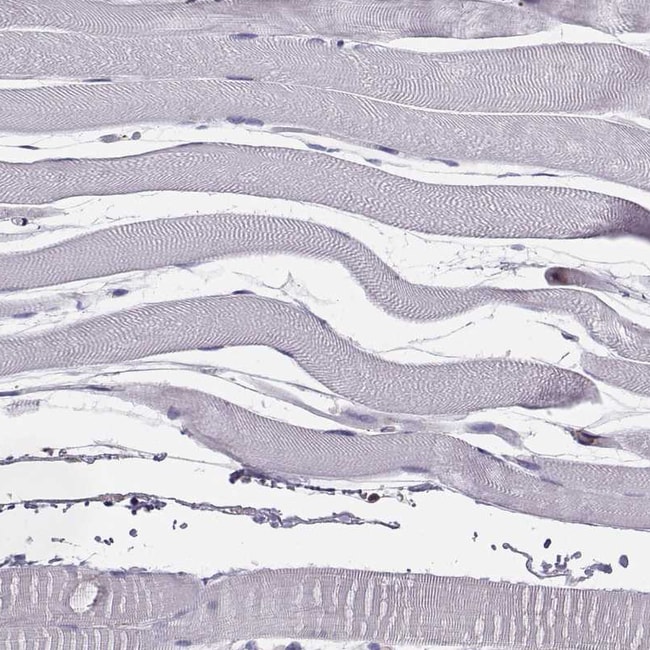
Invitrogen™ PNP Polyclonal Antibody

Description
Immunogen sequence: YTYEDYKNTA EWLLSHTKHR PQVAIICGSG LGGLTDKLTQ AQIFDYGEIP NFPRSTVPGH AGRLVFGFLN GRACVMMQGR FHMYEGYPLW KVTFPVRVFH LLGVDTLVVT NAAGGLNPKF EVGDIMLIRD HINLPGFSGQ NPLRGPNDER GAPHR Highest antigen sequence identity to the following orthologs: Mouse - 83%, Rat - 87%.
The PNP gene encodes for the enzyme purine nucleoside phosphorylase, which plays a vital role in the purine salvage pathway by catalyzing the reversible cleavage of purine nucleosides. This enzyme facilitates the conversion of inosine, guanosine, and deoxyguanosine into free bases and sugars phosphorylated at the C1 position. PNP is located on chromosome 14q13 and is crucial for nucleoside catabolism, impacting energy metabolism and cellular functions across various organisms. PNP deficiency is an autosomal recessive multisystem disorder arising from mutations in the PNP gene, leading to impaired T-cell maturation and function, resulting in recurrent infections, autoimmune manifestations, and neurological abnormalities due to the toxic accumulation of deoxyguanosine triphosphate (dGTP). This deficiency particularly affects immature thymocytes and can lead to lymphoid and neuronal toxicity, underscoring the gene's importance in proper immune system function and cellular health.

Specifications
Specifications
| Antigen | PNP |
| Applications | Immunohistochemistry (Paraffin), Western Blot, Immunocytochemistry |
| Classification | Polyclonal |
| Concentration | 0.2 mg/mL |
| Conjugate | Unconjugated |
| Formulation | PBS with 40% glycerol and 0.02% sodium azide; pH 7.2 |
| Gene | PNP |
| Gene Accession No. | P00491, P23492, P85973 |
| Gene Alias | AL024301; AU015798; endothelial dysfunction inducing protein; epididymis secretory sperm binding protein Li 156an; HEL-S-156an; inosine phosphorylase; inosine phosphorylase {ECO:0000250; Inosine-guanosine phosphorylase; Np; Np-1; Np-2; nucleoside phosphorylase; PNP; PNP {ECO:0000250; Pnp1; PRO1837; PUNP; purine nucleoside phosphorylase; purine nucleoside phosphorylase {ECO:0000250; purine-nucleoside phosphorylase; purine-nucleoside phosphorylase 1; purine-nucleoside:orthophosphate ribosyltransferase; UniProtKB:P00491} |
| Gene Symbols | PNP |
| Show More |
Product Title
By clicking Submit, you acknowledge that you may be contacted by Fisher Scientific in regards to the feedback you have provided in this form. We will not share your information for any other purposes. All contact information provided shall also be maintained in accordance with our Privacy Policy.
Spot an opportunity for improvement?