Promotional price valid on web orders only. Your contract pricing may differ. Interested in signing up for a dedicated account number?
Learn More

Invitrogen™ PSMD8 Polyclonal Antibody
GREENER_CHOICE

Catalog No. PIPA5144028
Change view
Click to view available options
Quantity:
100 μg
1 product options available for selection
Product selection table with 1 available options. Use arrow keys to navigate and Enter or Space to select.
Catalog No. Quantity
PIPA5144028 100 μg
Use arrow keys to navigate between rows. Press Enter or Space to select a product option. 1 options available.
1 options
Catalog No. PIPA5144028 Supplier Invitrogen™ Supplier No. PA5144028
Add to Cart
Add to Cart

Rabbit Polyclonal Antibody

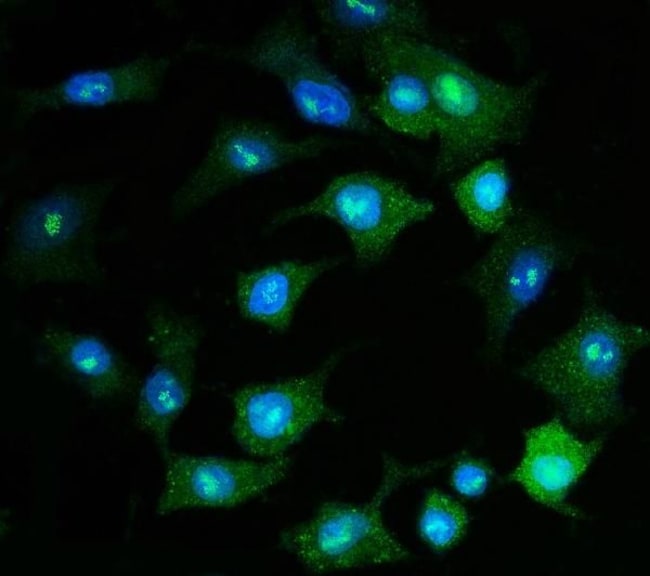
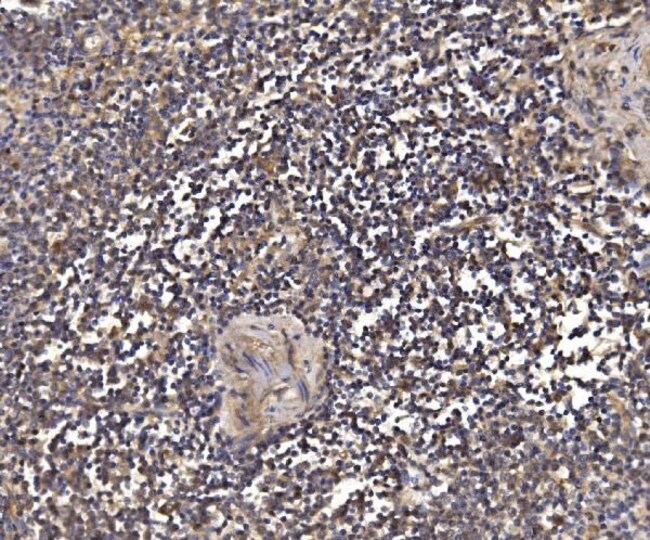
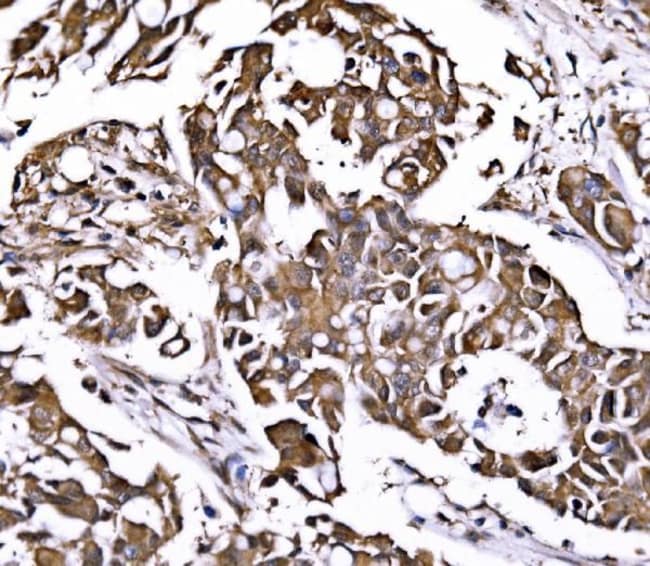
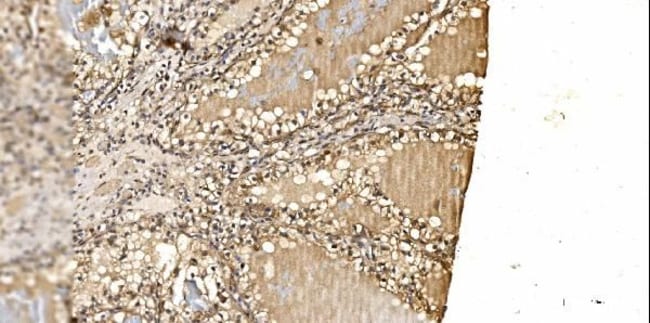
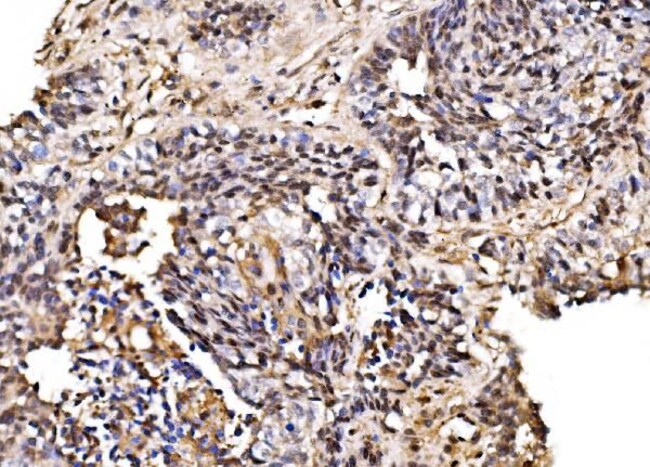
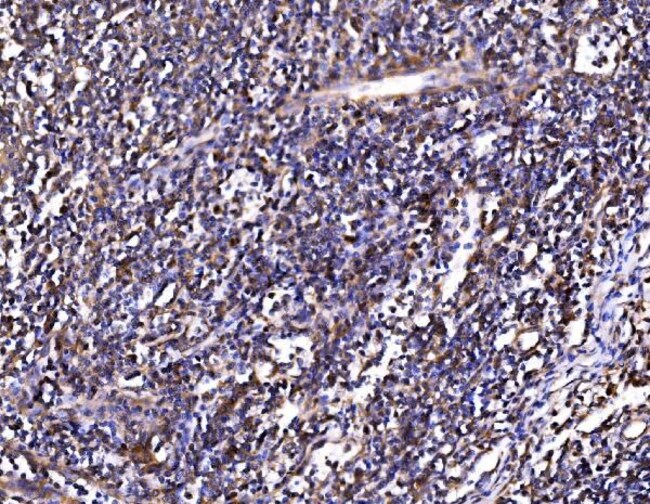
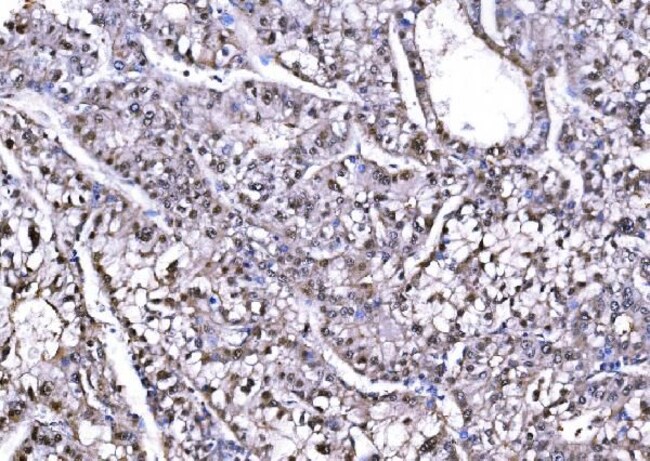
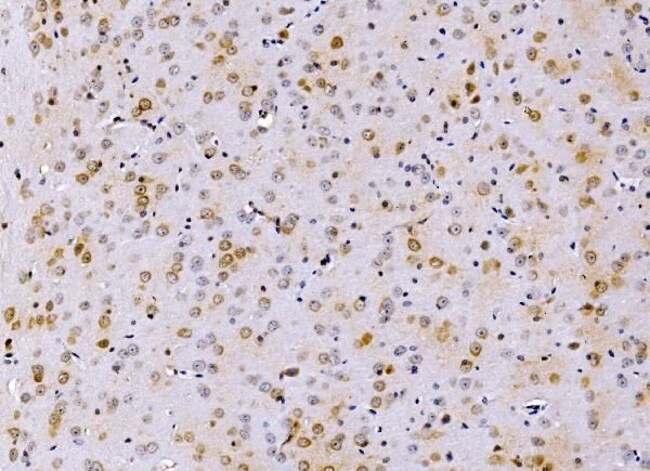
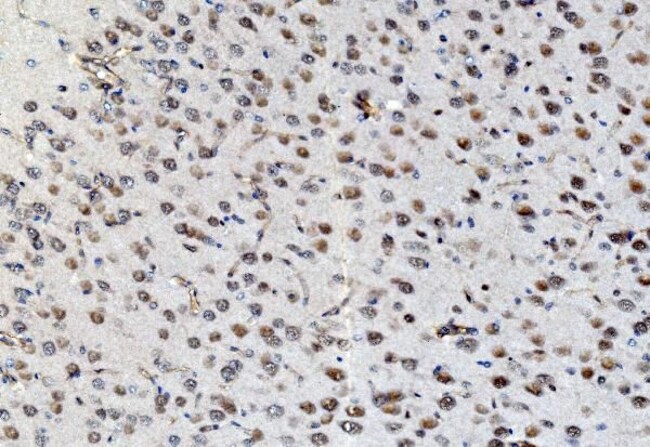
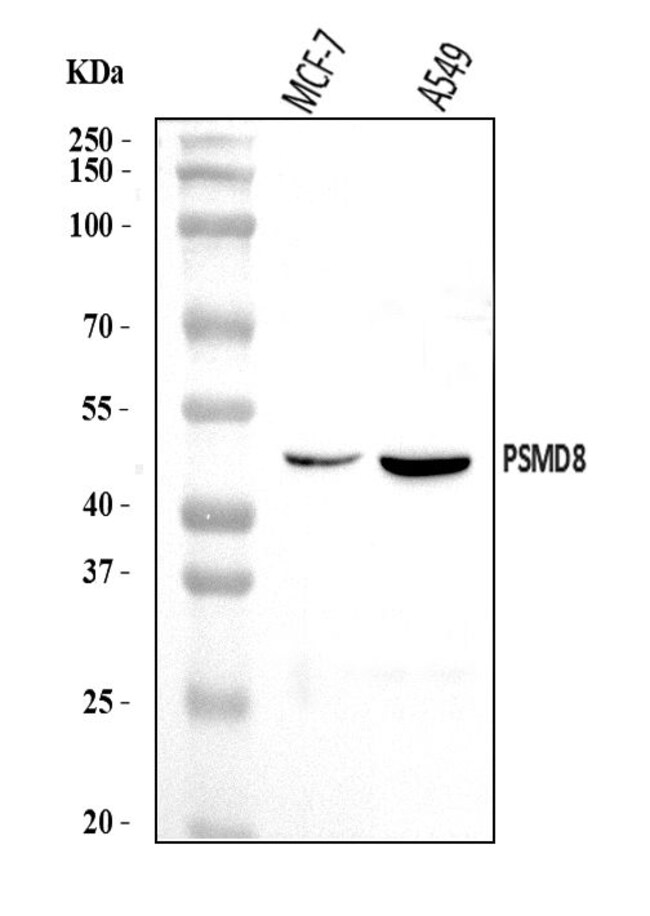
Adding 0.2 mL of distilled water will yield a concentration of 500 μg/mL. Positive Control - WB: human MCF-7 whole cell, human A549 whole cell. IHC: mouse brain tissue, rat brain tissue, human breast cancer tissue, human lienal pupture tissue, human lung cancer tissue, human tonsil tissue, human renal cancer tissue, human liver tissue. ICC/IF: A549 cell. Store at -20°C for one year from date of receipt. After reconstitution, at 4°C for one month. It can also be aliquotted and stored frozen at -20°C for six months. Avoid repeated freeze-thaw cycles.

The 26S proteasome is a multicatalytic proteinase complex with a highly ordered structure composed of 2 complexes, a 20S core and a 19S regulator. The 20S core is composed of 4 rings of 28 non-identical subunits; 2 rings are composed of 7 alpha subunits and 2 rings are composed of 7 beta subunits. The 19S regulator is composed of a base, which contains 6 ATPase subunits and 2 non-ATPase subunits, and a lid, which contains up to 10 non-ATPase subunits. Proteasomes are distributed throughout eukaryotic cells at a high concentration and cleave peptides in an ATP/ubiquitin-dependent process in a non-lysosomal pathway. An essential function of a modified proteasome, the immunoproteasome, is the processing of class I MHC peptides. This gene encodes a non-ATPase subunit of the 19S regulator. A pseudogene has been identified on chromosome 1.
TRUSTED_SUSTAINABILITY

Specifications

Antigen PSMD8
Applications ELISA, Immunohistochemistry (Paraffin), Western Blot, Immunocytochemistry
Classification Polyclonal
Concentration 500 μg/mL
Conjugate Unconjugated
Formulation PBS with 4mg trehalose and no preservative
Gene PSMD8
Gene Accession No. P48556, Q9CX56
Gene Alias 26S proteasome non-ATPase regulatory subunit 8; 26S proteasome regulatory subunit p31; 26S proteasome regulatory subunit RPN12; 26S proteasome regulatory subunit S14; 6720456J22Rik; AA407360; AL033291; AL033322; AL033323; C76433; epididymis secretory sperm binding protein Li 91n; HEL-S-91n; HIP6; HYPF; Nin1p; p31; proteasome (prosome, macropain) 26S subunit, non-ATPase, 8; proteasome 26S non-ATPase subunit 8; proteasome 26S subunit, non-ATPase 8; proteasome 26S subunit, non-ATPase, 8; Psmd8; Rpn12; S14
Gene Symbols PSMD8
Host Species Rabbit
Immunogen E.coli-derived human PSMD8 recombinant protein (Position: A86-V350).
Purification Method Antigen affinity chromatography
Quantity 100 μg
Regulatory Status RUO
Primary or Secondary Primary
Gene ID (Entrez) 292766, 5714, 57296
Target Species Human, Mouse, Rat
Content And Storage -20°C
Product Type Antibody
Form Lyophilized
Isotype IgG
Show More Show Less
Product Title
Select an issue

By clicking Submit, you acknowledge that you may be contacted by Fisher Scientific in regards to the feedback you have provided in this form. We will not share your information for any other purposes. All contact information provided shall also be maintained in accordance with our Privacy Policy.