Learn More

Description
The protein encoded by this gene is a member of the transmembrane 4 superfamily, also known as the tetraspanin family. Most of these members are cell-surface proteins that are characterized by the presence of four hydrophobic domains. The proteins mediate signal transduction events that play a role in the regulation of cell development, activation, growth and motility. This encoded protein is a cell surface glycoprotein that is known to complex with integrins and other transmembrane 4 superfamily proteins. It can modulate cell adhesion and migration and also trigger platelet activation and aggregation. In addition, the protein appears to promote muscle cell fusion and support myotube maintenance. [provided by RefSeq
Specifications
Specifications
| Antigen | CD9 |
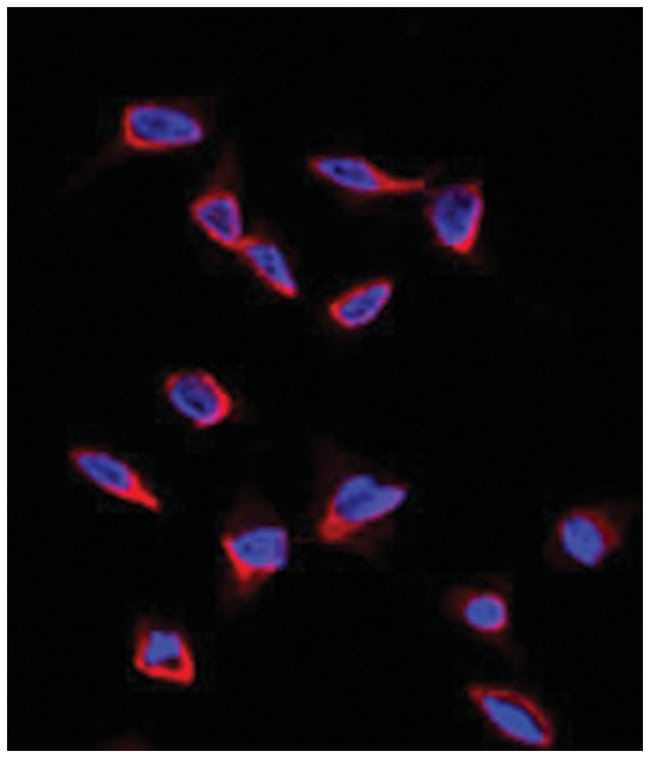
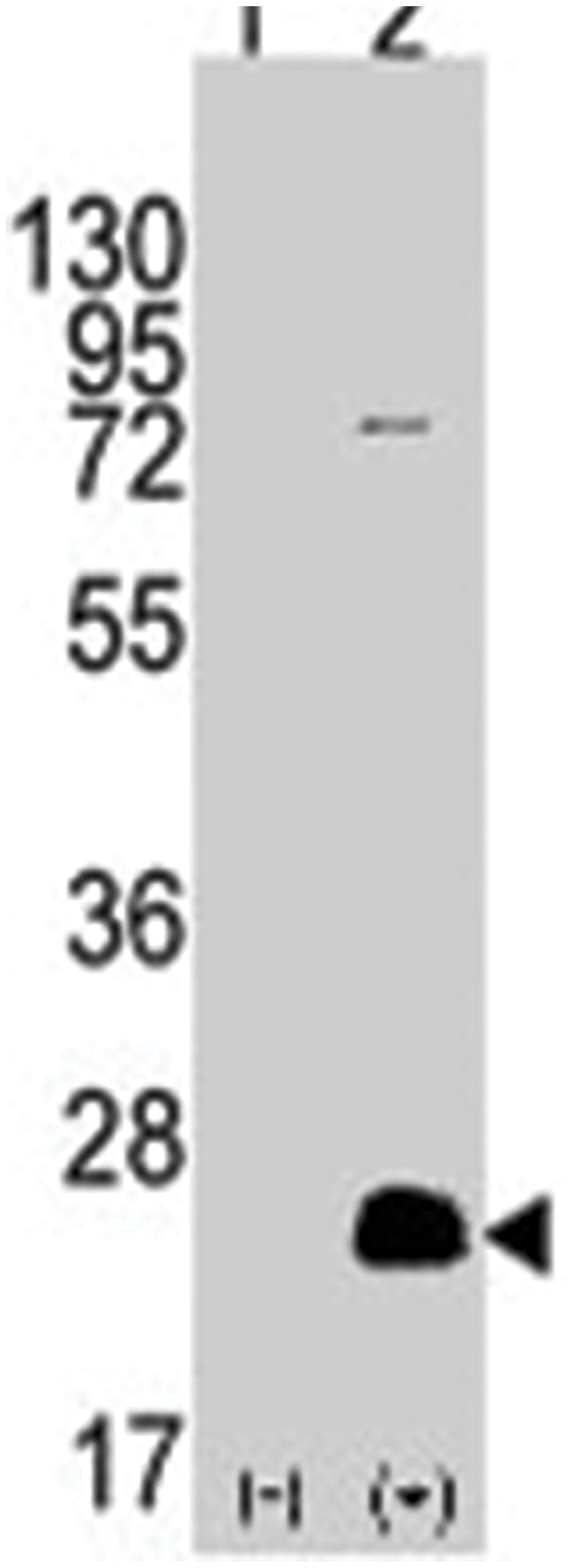
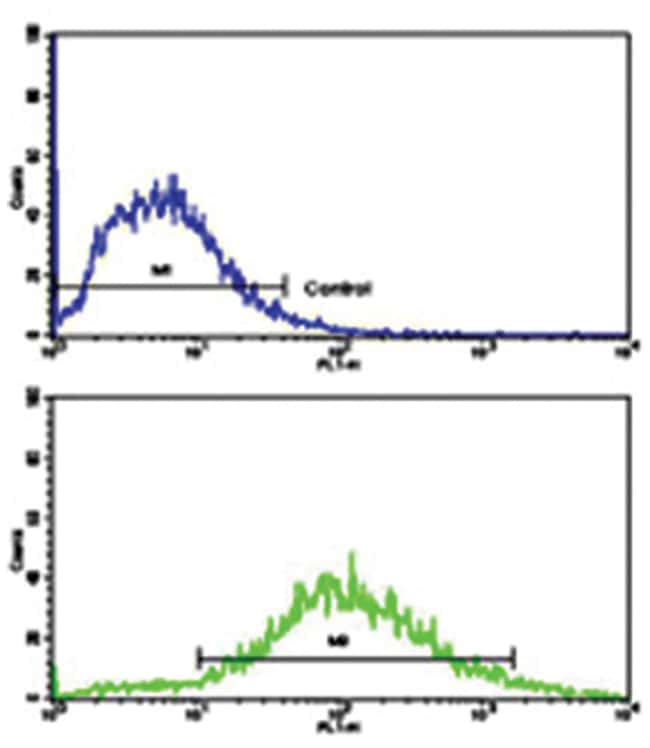
| Applications | Flow Cytometry, Immunofluorescence, Western Blot |
| Classification | Polyclonal |
| Conjugate | Unconjugated |
| Description | Rabbit polyclonal antibody raised against synthetic peptide of CD9. |
| Dilution | Western Blot (1:1000) Immunofluorescence (1:10-50) Flow cytometry (1:10-50) The optimal working dilution should be determined by the end user. |
| Formulation | In PBS (0.09% sodium azide) |
| Gene | CD9 |
| Gene Accession No. | NP_001760;P21926 |
| Gene Alias | 5H9/BA2/BTCC-1/DRAP-27/GIG2/MIC3/MRP-1/P24/TSPAN29 |
| Show More |
For Research Use Only
By clicking Submit, you acknowledge that you may be contacted by Fisher Scientific in regards to the feedback you have provided in this form. We will not share your information for any other purposes. All contact information provided shall also be maintained in accordance with our Privacy Policy.