Learn More
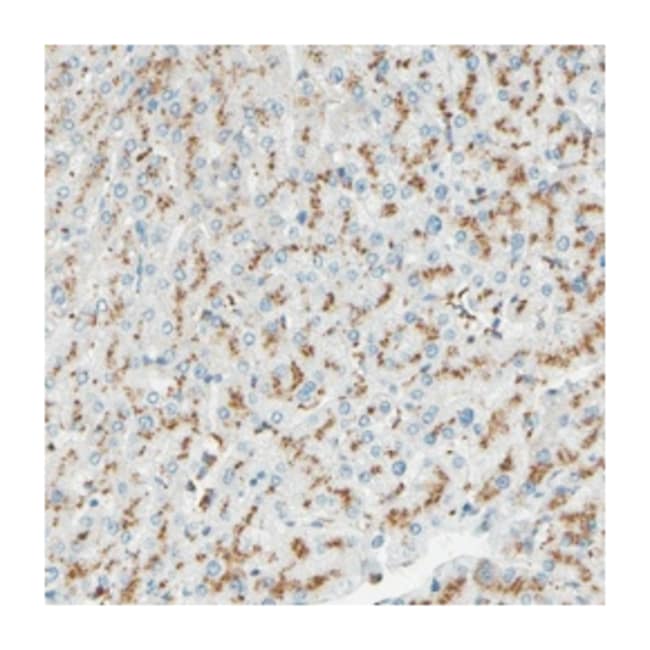
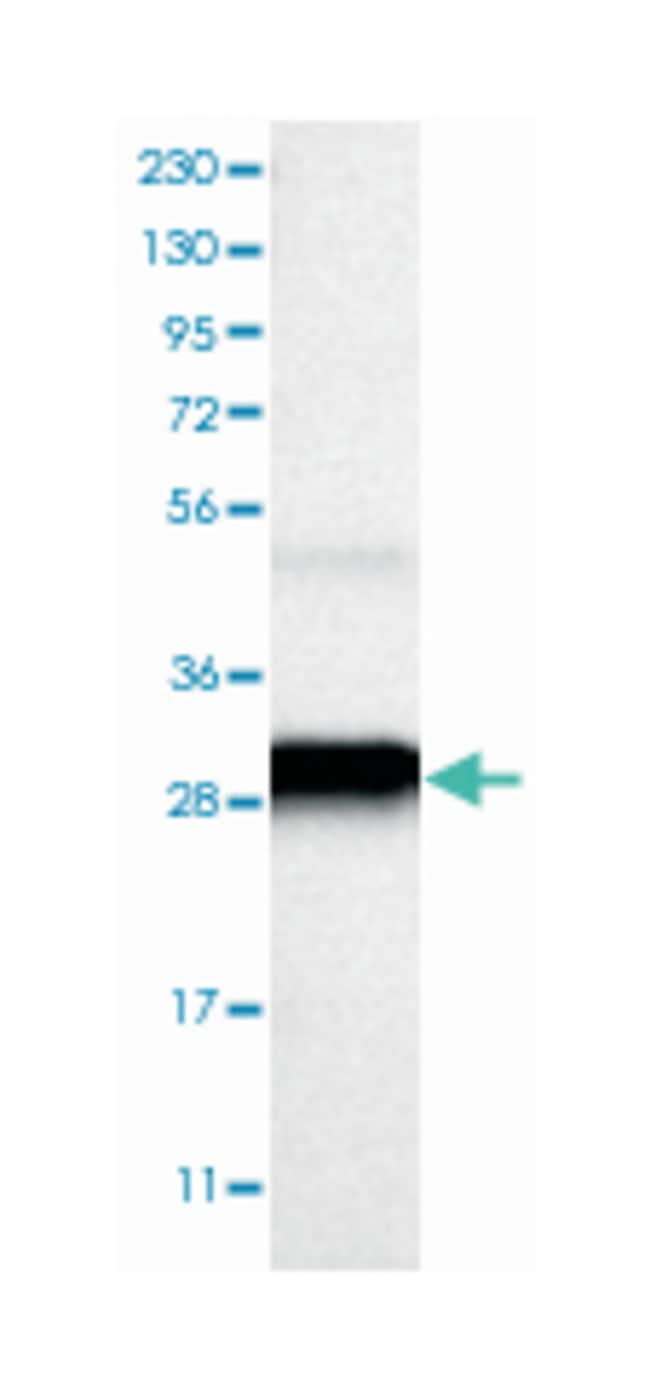
Description
This gene encodes a lysosomal aspartyl protease composed of a dimer of disulfide-linked heavy and light chains, both produced from a single protein precursor. This proteinase, which is a member of the peptidase C1 family, has a specificity similar to but narrower than that of pepsin A. Transcription of this gene is initiated from several sites, including one which is a start site for an estrogen-regulated transcript. Mutations in this gene are involved in the pathogenesis of several diseases, including breast cancer and possibly Alzheimer disease. [provided by RefSeq
Specifications
Specifications
| Antigen | CTSD |
| Applications | Immunohistochemistry (PFA fixed), Western Blot |
| Classification | Polyclonal |
| Conjugate | Unconjugated |
| Description | Rabbit polyclonal antibody raised against recombinant CTSD. |
| Dilution | Immunohistochemistry (1:500-1:1000) Western Blot (1:100-1:250) The optimal working dilution should be determined by the end user. |
| Formulation | In PBS, pH 7.2 (40% glycerol, 0.02% sodium azide) |
| Gene | CTSD |
| Gene Accession No. | C9JH19 |
| Gene Alias | CLN10/CPSD/MGC2311 |
| Show More |
For Research Use Only
By clicking Submit, you acknowledge that you may be contacted by Fisher Scientific in regards to the feedback you have provided in this form. We will not share your information for any other purposes. All contact information provided shall also be maintained in accordance with our Privacy Policy.